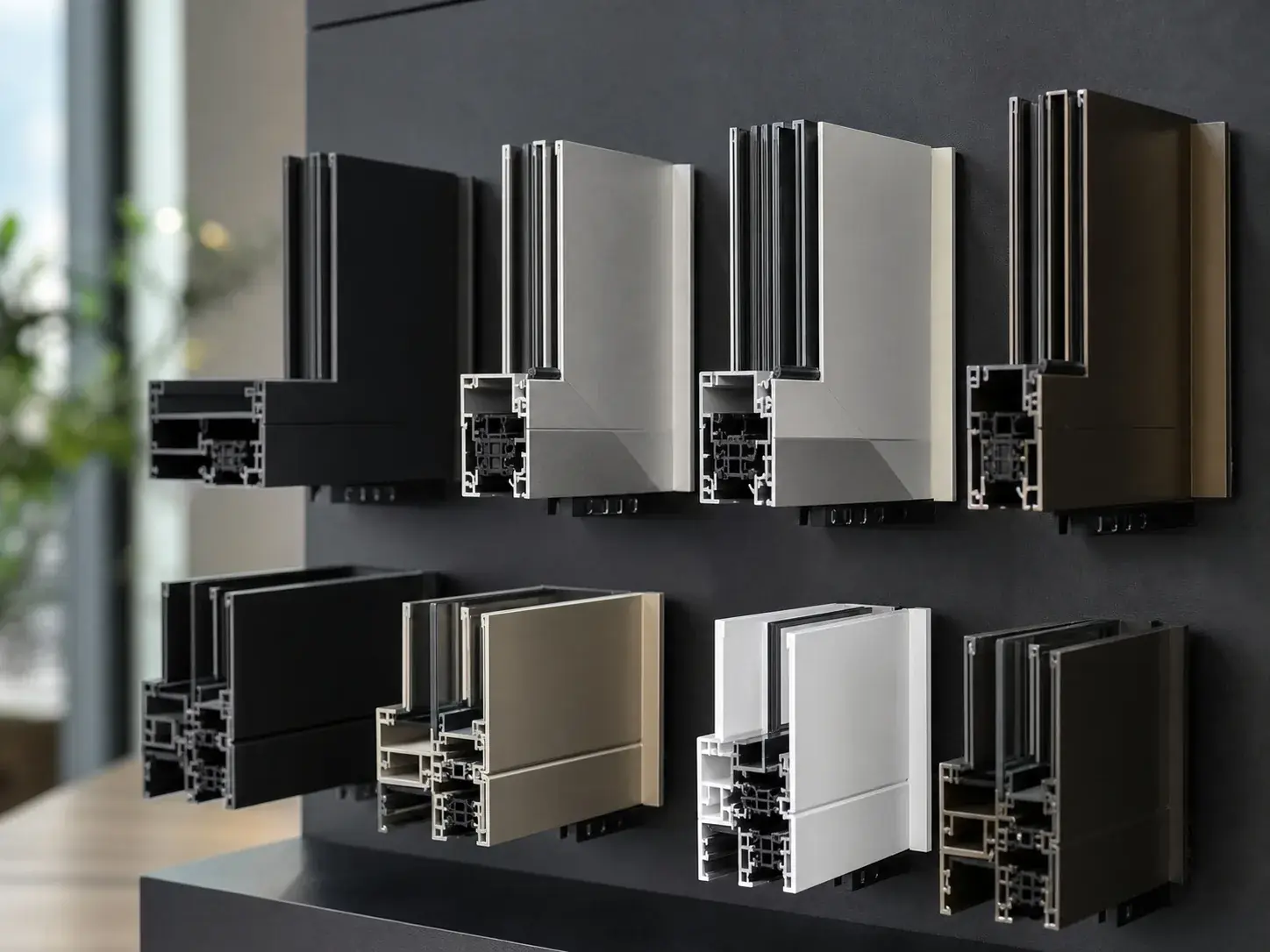
Powder coat finishes
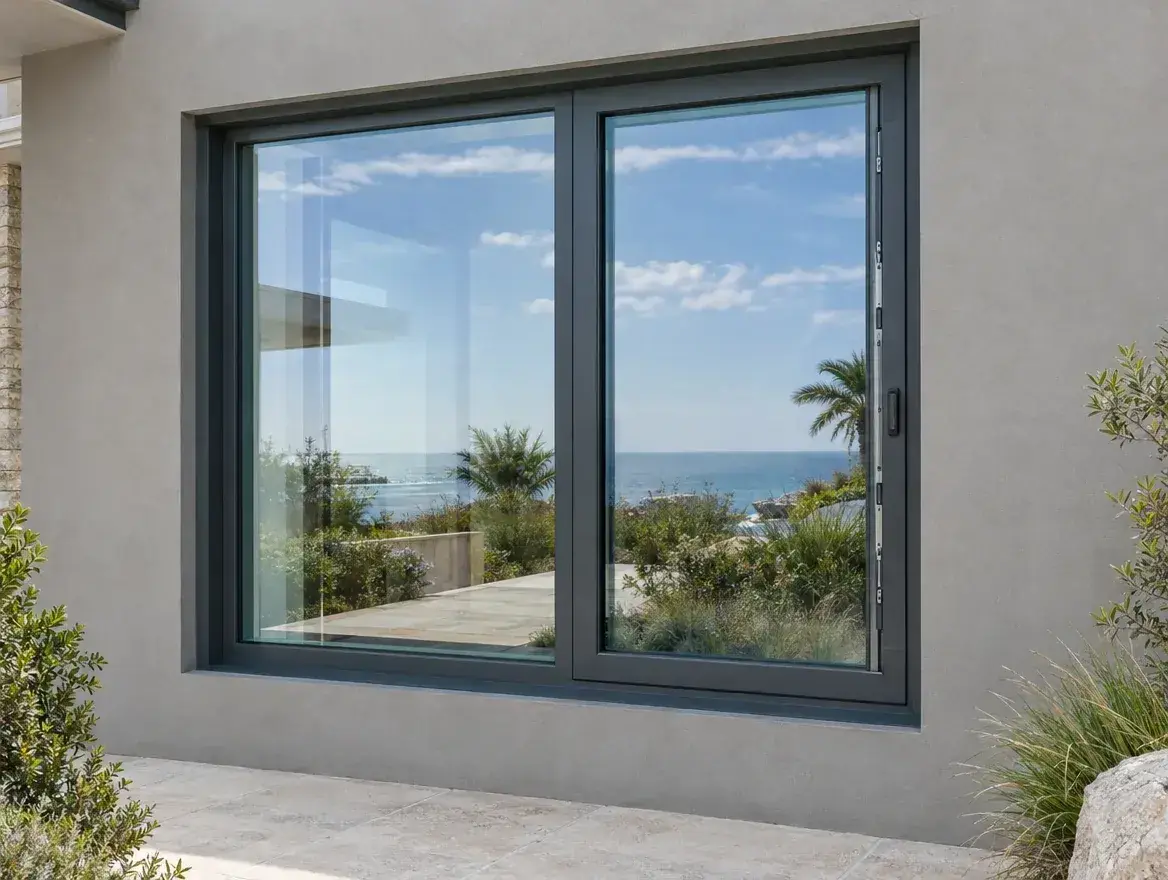
RAL powder coat on slim blade-bank frames, specified to match or contrast the wall openings they ventilate.
Aluminum Louvre Window manufacturer & supplier from China — custom aluminum systems for villa, multi-unit and commercial export projects.
Third-party certified
Certificates are issued to our manufacturing entity and each covers the series named on it.
View certificate detailsProfile depth, sealing paths and hardware geometry selected for smooth operation and long-term durability on export projects.
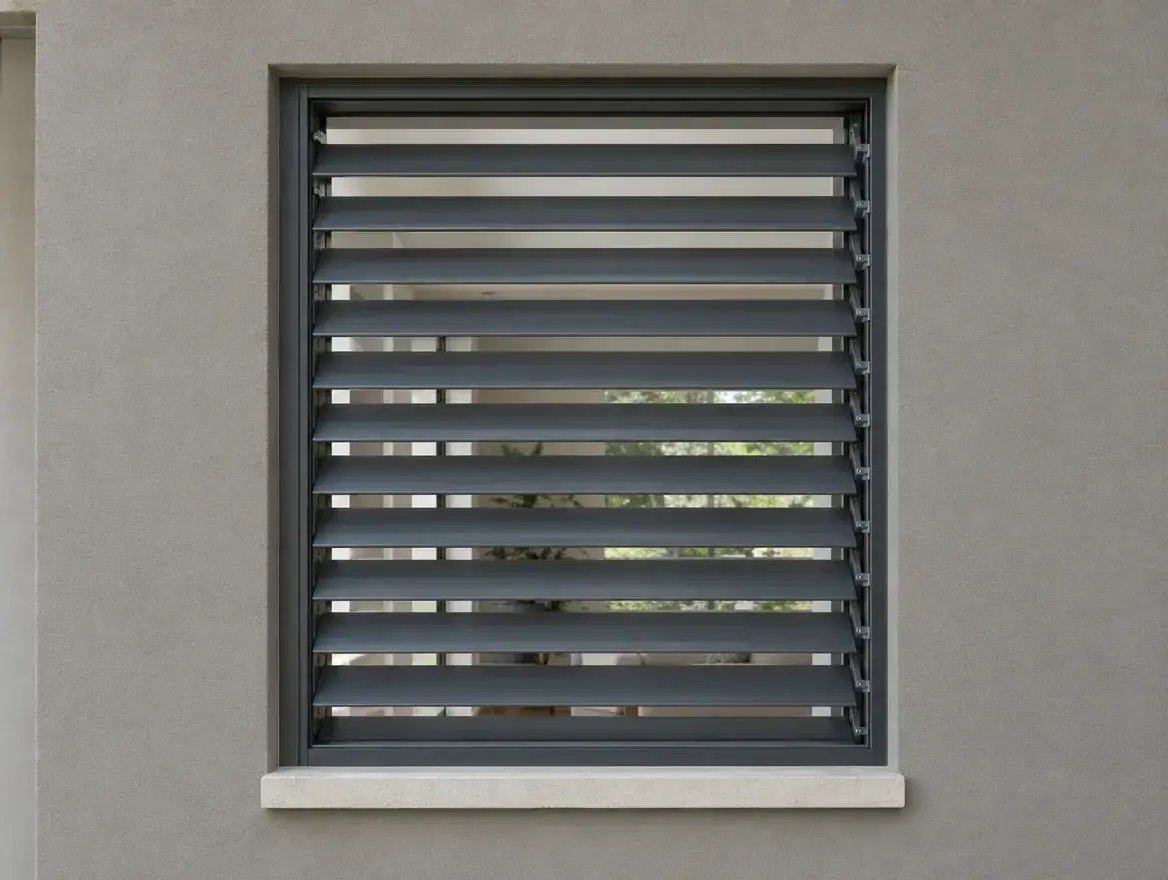
Aluminum louvre windows ventilate through angled blades rather than a moving sash. Each blade laps the one below, so air passes between them while rainwater runs down the face and off the sill, and a room can keep breathing during weather that would have every conventional window shut.
The system serves tropical, utility, circulation and residential spaces in fixed or adjustable blade banks. Supply is factory direct, through dealer channels, or in project lots, and the drawing-based proposal is built from openings, blade preference, finish and destination port.
A louvre works on geometry, not on a seal. The blades sit at an angle, each lapping the free edge of the blade below, so the air path through the bank is a series of offsets rather than a straight line. Wind-driven rain that enters at an angle meets a blade face and drains to the sill instead of crossing the opening. The result is permanent ventilation from an aperture that never stands open.
Three consequences follow. The bank needs no swing clearance, so it can serve a corridor, a stair landing or a bathroom where a casement would foul traffic. The aperture can rise as tall as the wall allows, because ventilation scales with the number of blades rather than with one sash. And the airflow continues in rain, which is the reason the type survives in tropical service where a sealed window hands the whole job to mechanical cooling.
A fixed bank has its blades set to the specified angle at the factory and no operator. It suits plant rooms, service shafts and screens where airflow is a constant requirement and nobody needs to modulate it. An adjustable bank gangs the blades to a control, and a single control adjusts the whole bank where the project specifies it, so one movement changes the aperture across the full width instead of at one leaf.
Bank size drives the control detail. A long run needs linkage and pivot duty matched to the number and weight of blades being moved, and a tall bank behaves differently from a wide one at the same area. Where a facade mixes both, combination arrangements are set on the drawings: fixed blades above a door head with adjustable blades below, or an operating bank beside a fixed panel. Blade control and locking are then selected for that bank size and operation rather than carried over from a standard window lock schedule.
Blade material decides what the bank does beyond moving air. Glass blades admit light and let the bank read as a glazed element, and the blade angle adds a degree of privacy control that changes with the setting. Aluminum blades are opaque, stand up to rougher treatment, and are often the practical answer for service areas where daylight is not the point. Both come from the same frame system, so a project can mix them by elevation without changing supplier.
Glass specification follows the application: Low-E and laminated options are set by the utility or climate requirement, and blade weight rises with the glass build, which feeds straight back into pivot and linkage duty. Because the blades are the exposed working part, packing matters more than for a fixed window. Blade banks are QC-set at the factory, labeled, and crated with spacers so glass louvres reach an overseas site alignment-true rather than shimmed back into line on arrival.
| Decision | Choices in this system | What settles it |
|---|---|---|
| Operation | Fixed or adjustable blade banks | Whether occupants need to modulate airflow |
| Blade infill | Glass or aluminum | Light, privacy and durability requirement |
| Frame width | Slim or standard, project-dependent | How much the bank should read as the opening |
| Glass build | Single, double or triple IGU, Low-E and laminated on request | Climate and the destination code |
| Control | Single control per bank where specified | Bank size and blade weight |
| Finish | Powder coat or anodized | Humidity and driving-rain exposure |
The frame on a louvre bank has one job beyond holding the blades: it should not compete with them. Frame widths are kept narrow so the bank reads as the whole opening rather than a window with a heavy surround, and slim or standard sections are chosen per project against the span the opening has to carry. A tall bank on an exposed elevation needs more section than a shaded bathroom window of the same width.
Finish is where tropical service shows. Powder coat in RAL colours can match or deliberately contrast the wall openings the bank ventilates, while anodized blade finishes hold up against the humidity and driving rain of year-round airflow, where a painted working blade edge wears first. Where the bank sits inside a larger glazed elevation, set it out with the adjacent systems from the start; the commercial aluminum windows performance specs page explains how performance targets are stated for those assemblies, and a louvre has no sash line in which to hide a setting-out error.
Tropical residential work uses louvres where cross-ventilation is the design intent and air conditioning is absent or seasonal. Utility spaces such as bathrooms, laundries, stores and plant rooms use them because the airflow requirement is constant while occupancy is intermittent, so an operator-controlled window would simply stay shut. Circulation space is the third case: corridors, stair cores and link bridges where a projecting sash is a hazard and a sealed window leaves the air stale.
The common thread is frequent cycling with low supervision. Nobody adjusts a louvre in a stair core twice a day, and nobody wants to; the bank is set and left. That is why control linkages and clips are rated for the frequent blade cycling typical of utility and tropical ventilation duty, and why pivot duty is matched to blade weight instead of assumed. Because each blade is exposed to air on both faces, a wet bank also dries quickly after rain, so the sill is not left holding water against the frame.
Louvre banks are simple products with a long specification tail, so an enquiry should carry the details that change the price and leave out the ones that do not. Two points are worth settling before it goes out: whether the bank is a ventilation element the project will inspect as part of the facade, and whether glazed blades must match the tone of the adjacent window glass. Both change the blade specification, and neither can be fixed once the frames are cut.
Configure finishes, glass, layouts and hardware for your market — then request a custom quote.
RAL powder coat on slim blade-bank frames, specified to match or contrast the wall openings they ventilate.
Anodized blade finishes shrug off the humidity and driving rain of tropical service where airflow runs year-round.
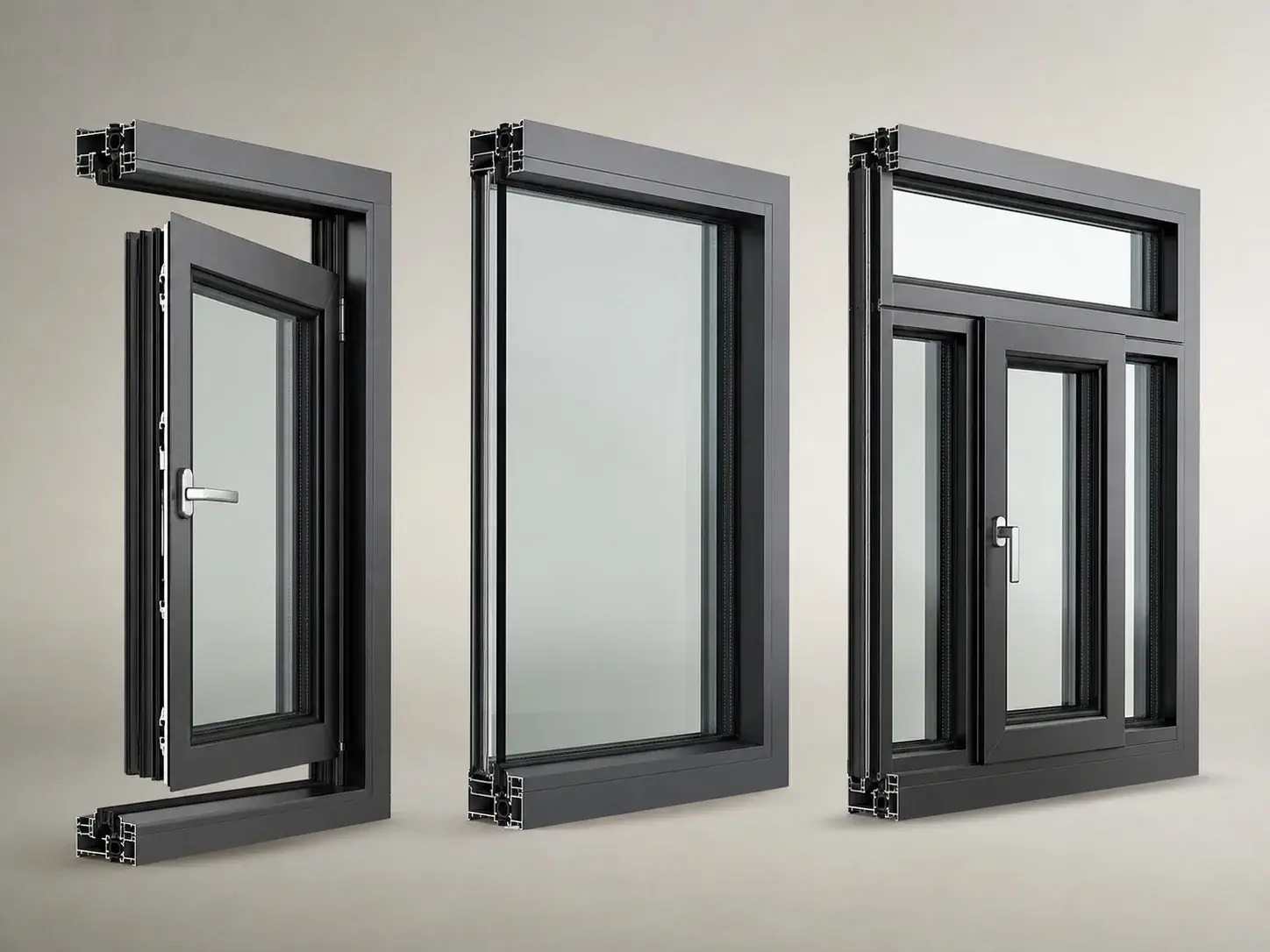
Fixed banks, adjustable banks and combination arrangements on drawings.
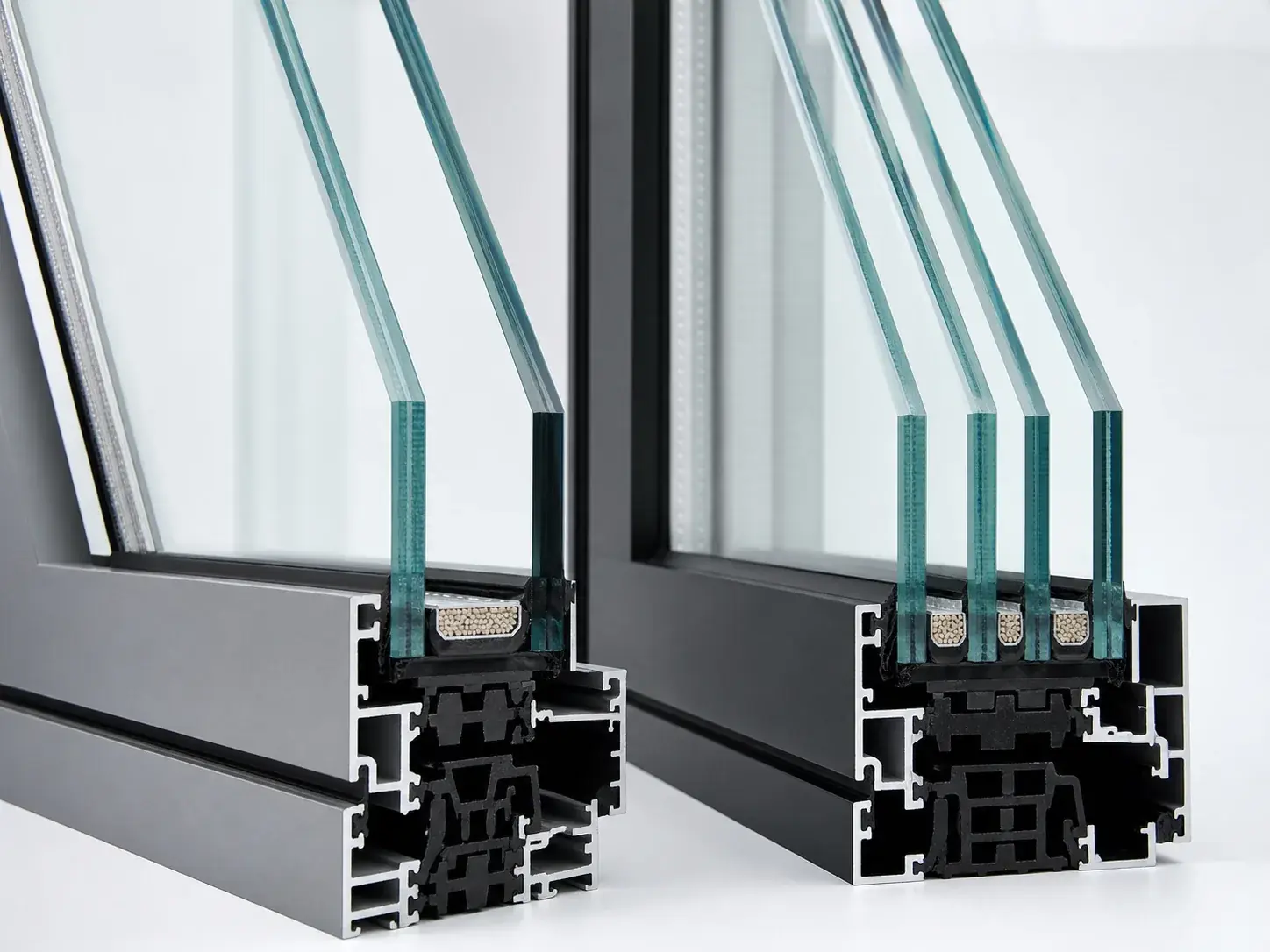
Blades in glass or aluminum infill, with Low-E and laminated glass options set by the utility or climate application.
Typical engineering ranges for project discussions — final values follow drawings, glass and destination codes.
| Parameter | Typical range |
|---|---|
| System | Adjustable-blade aluminum louvre / jalousie window |
| Frame depth (typical) | 60–100 mm louvre jamb & blade carrier |
| IGU thickness | 6–10 mm tempered glass or extruded aluminum blades |
| Thermal break | Non-thermal ventilation system (coastal finishes available) |
| Lead time (typical) | 25–40 days after drawing freeze |
Figures are typical engineering ranges for common configurations. Final air/water/wind, U-value and size limits depend on profile series, glass makeup, hardware and destination codes. Confirm on drawings with Aoslon engineering before submittal.
Engineering details buyers evaluate when specifying aluminum louvre window.
Blade sets are supplied fixed, or ganged to a control for adjustable airflow.
The blade angle sheds water while the opening stays ventilated.
A single control adjusts a bank of blades where the project specifies it.
Blades supplied in glass or aluminium depending on privacy and durability needs.
Frame widths kept slim so the blade bank reads as the whole opening.
Blade banks are QC-set, labeled and crated with spacers so glass louvres reach overseas sites alignment-true.
Product details, features, styles, hardware and specifications for Aoslon aluminum window systems.
Blade sets are supplied fixed, or ganged to a control for adjustable airflow.
The blade angle sheds water while the opening stays ventilated.
A single control adjusts a bank of blades where the project specifies it.
Blades supplied in glass or aluminium depending on privacy and durability needs.
Frame widths kept slim so the blade bank reads as the whole opening.
Blade banks are QC-set, labeled and crated with spacers so glass louvres reach overseas sites alignment-true.
RAL powder coat on slim blade-bank frames, specified to match or contrast the wall openings they ventilate.
Anodized blade finishes shrug off the humidity and driving rain of tropical service where airflow runs year-round.
Fixed banks, adjustable banks and combination arrangements on drawings.
Blades in glass or aluminum infill, with Low-E and laminated glass options set by the utility or climate application.
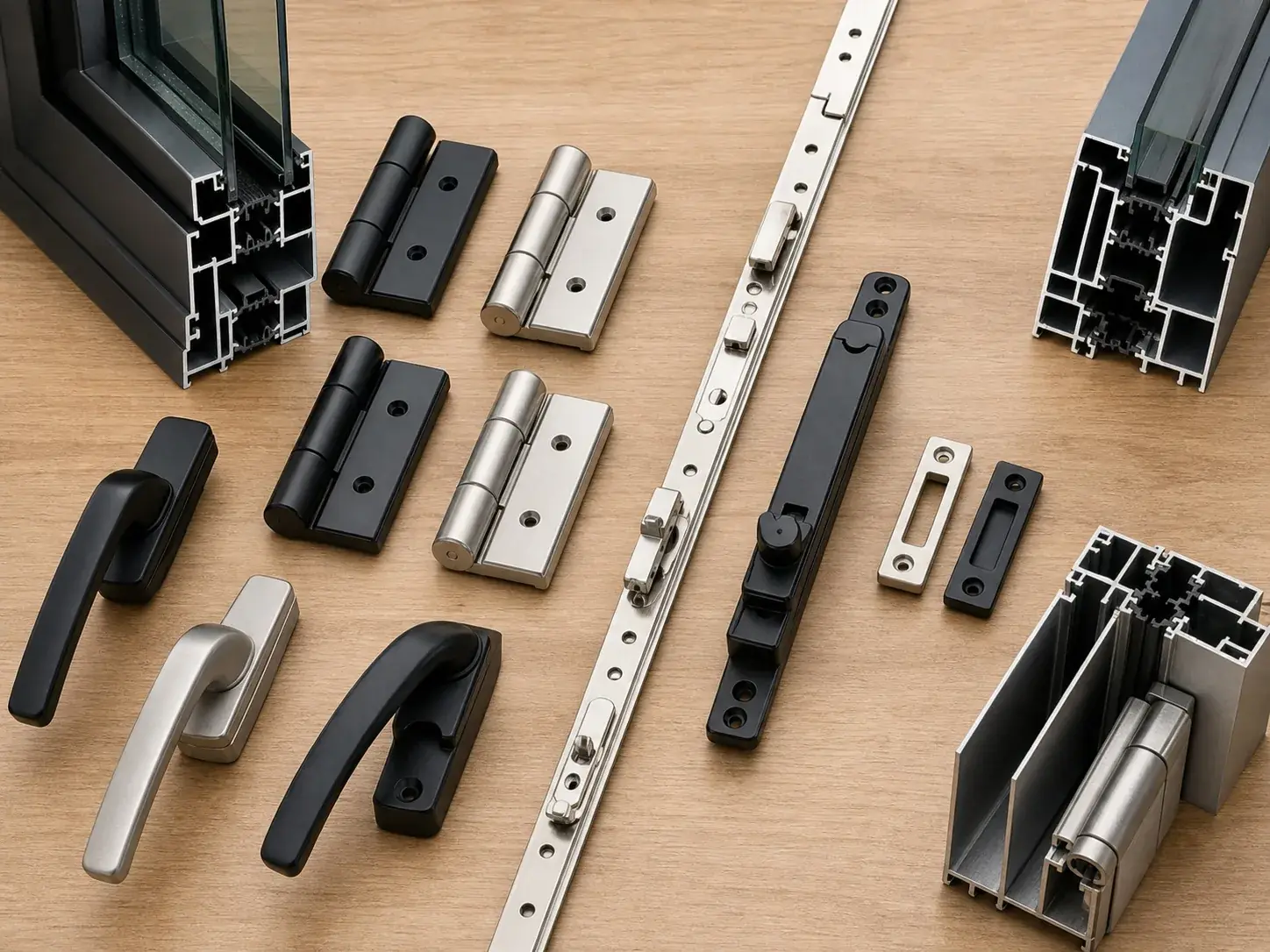
Blade controls and clips in matte black, brushed or frame-matched finishes across the operating bank.
Blade control and locking selected for the bank size and operation specified.
Blade pivot and control linkage duty matched to blade weight and usage.
Control linkages and clips rated for the frequent blade cycling typical of utility and tropical ventilation service.
| System type | Aluminum Louvre Window |
|---|---|
| Frame material | Thermal-break aluminum (project option) |
| Typical finish | Powder coat / anodized |
| Glazing | Single / double / triple IGU — Low-E & laminated on request |
| Opening types | Fixed or adjustable blade banks |
| Applications | Tropical, utility, circulation and residential |
| Customization | Made to drawings and rough openings |
| Supply model | Factory direct · Dealer · Project lots |
| Profile series | Confirm with Aoslon engineering for span and loads |
|---|---|
| Visible frame width | Slim / standard options — project-dependent |
| Max size guidance | Share drawings for blade bank and control check |
| Glass thickness range | Per IGU build and destination code |
| Hardware duty | Residential to light commercial (confirm cycles) |
| Air / water / wind | Designed to project performance targets |
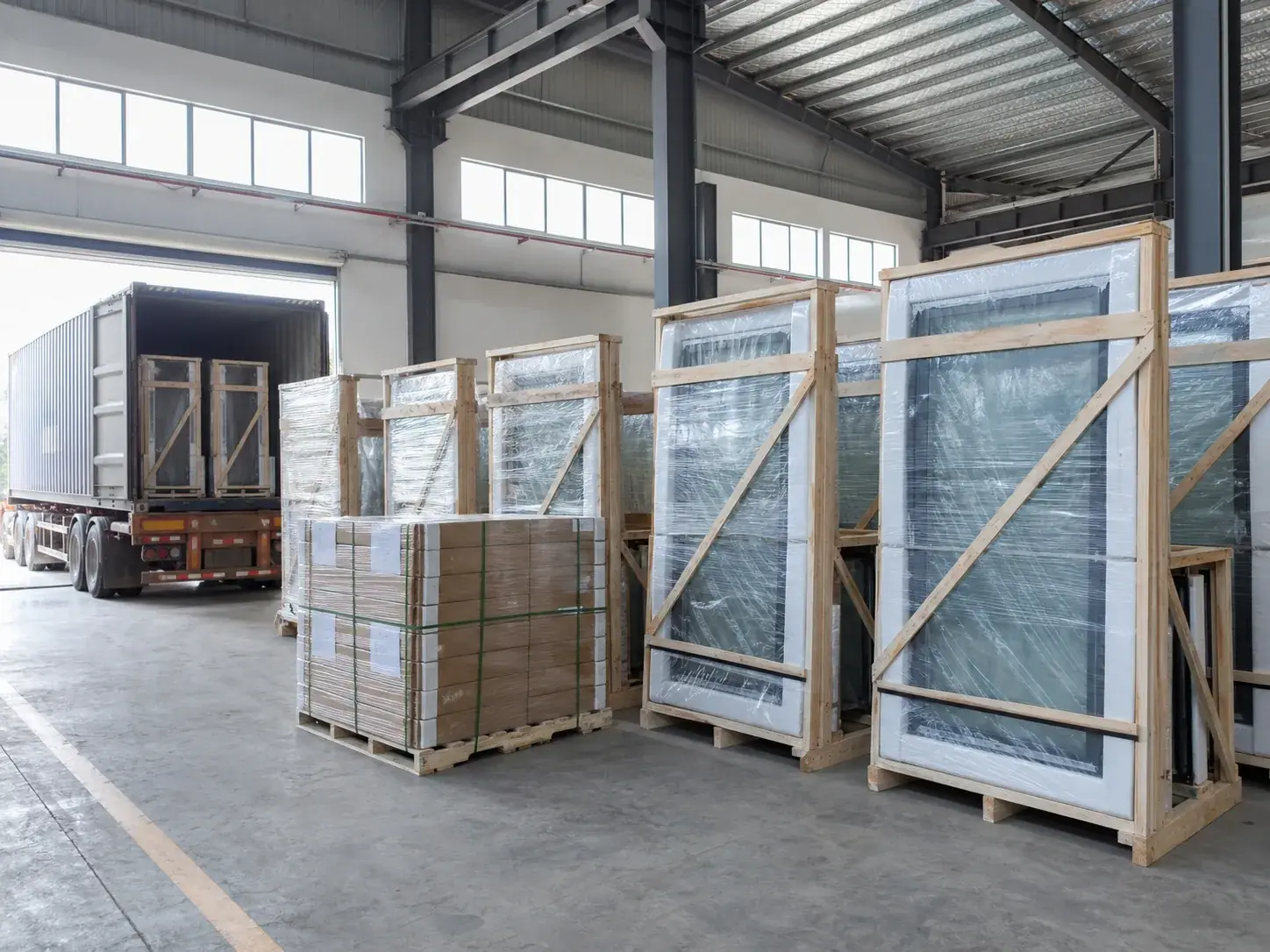
| Packing | Export crates, corner protection, labeled units |
| Documents | Packing list, invoice support, series notes on request |
| Lead time | Quoted per quantity, finish and glass |
| MOQ | Discuss for dealers and multi-unit projects |
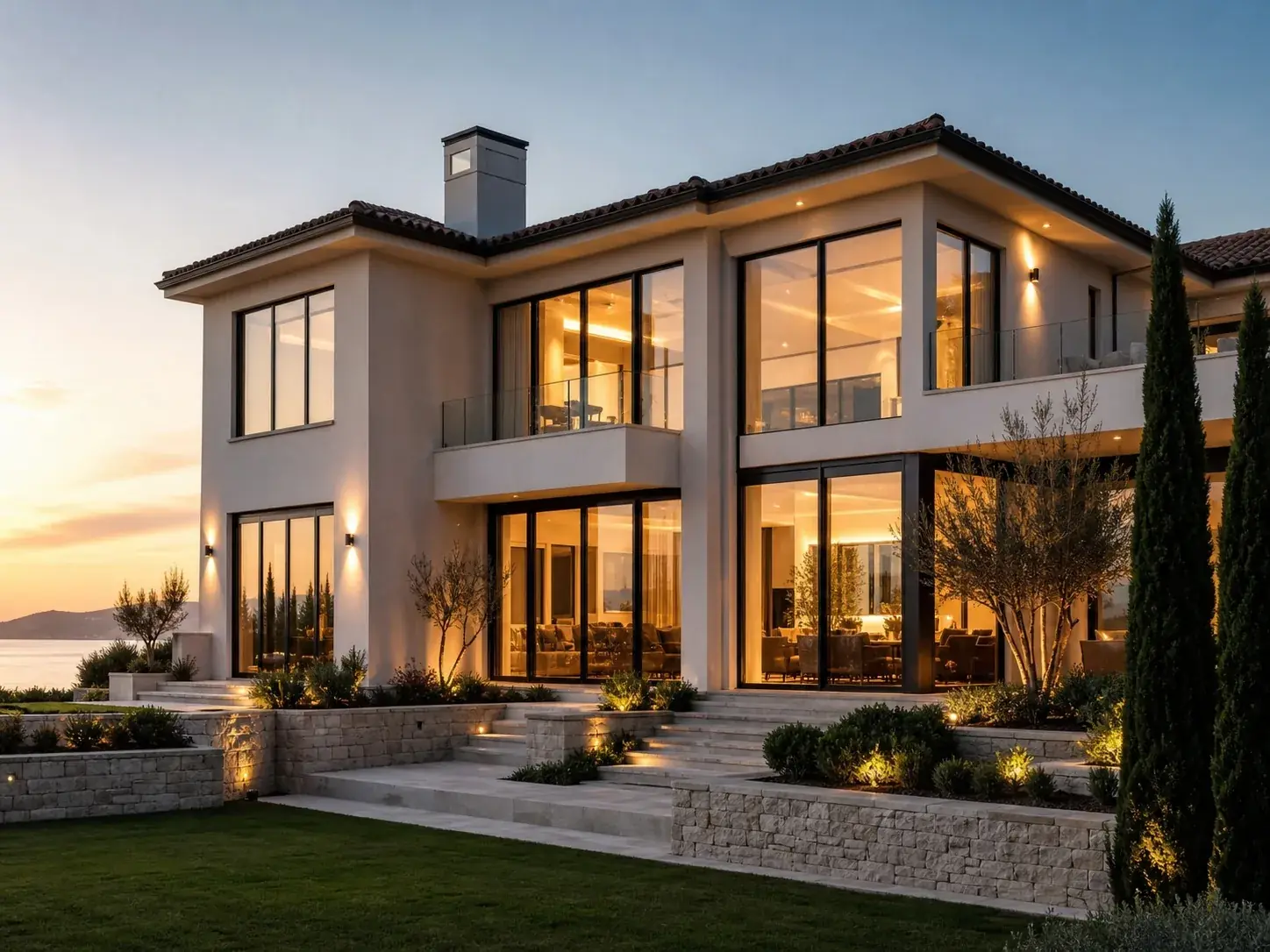
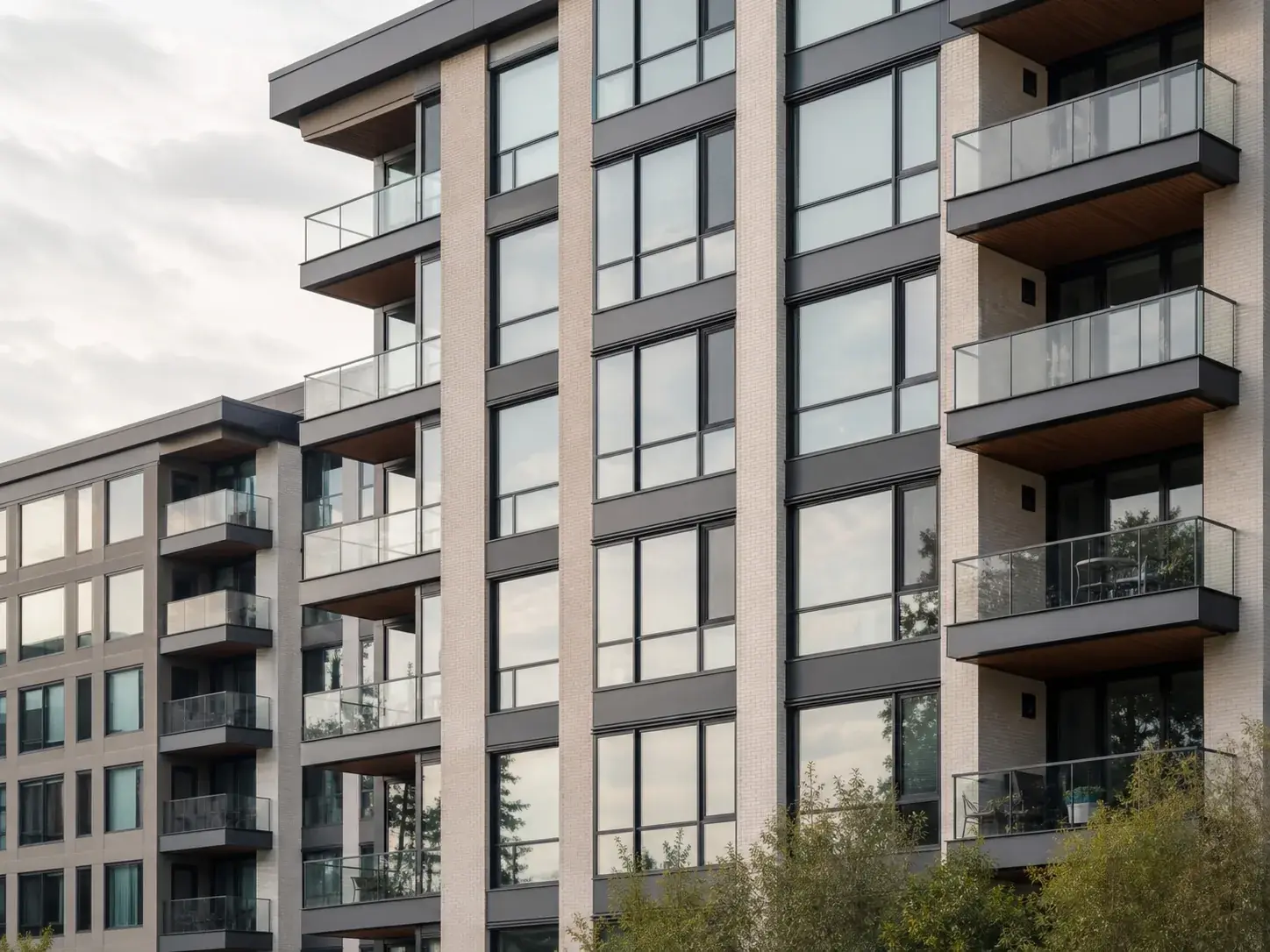
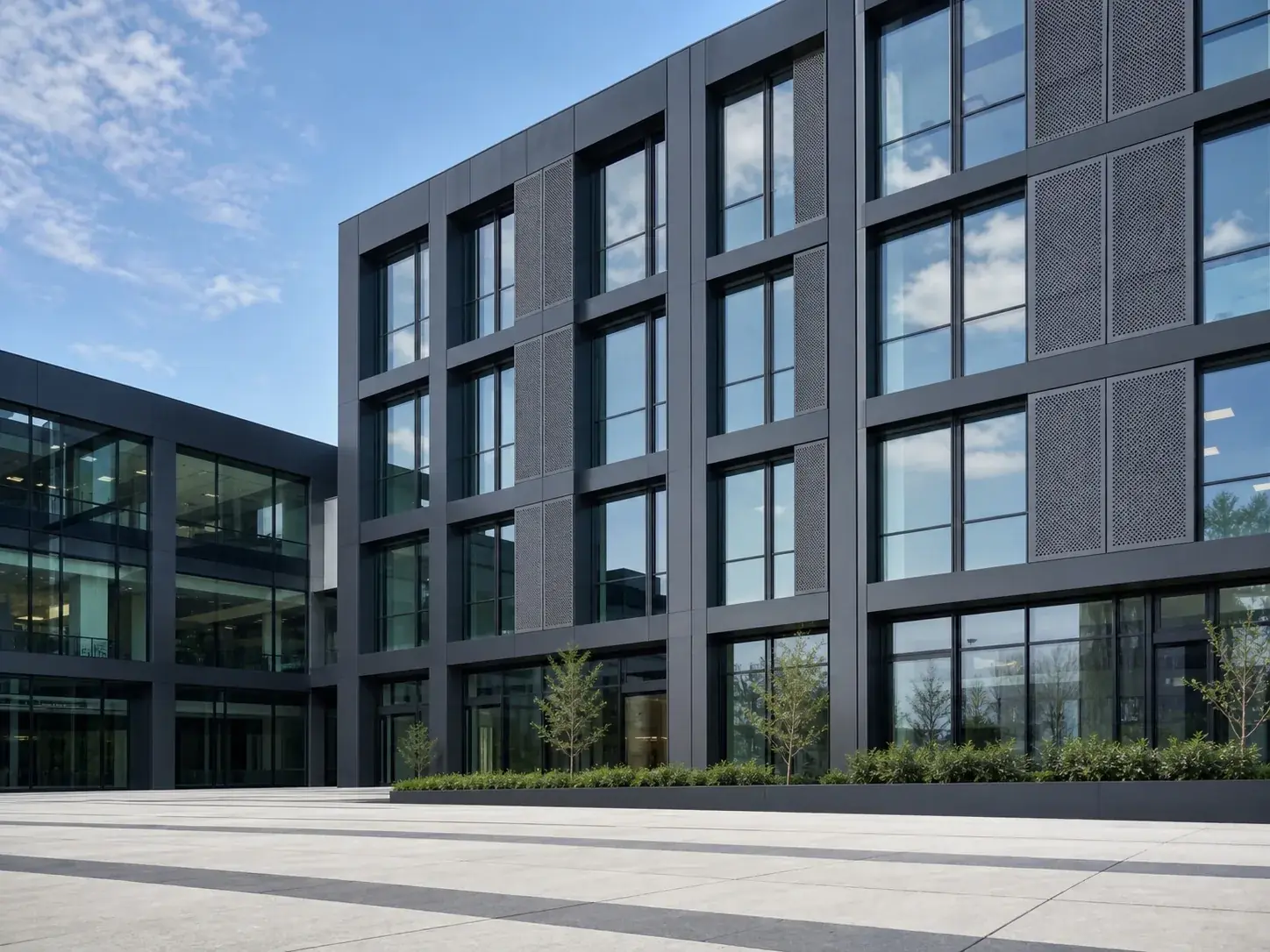
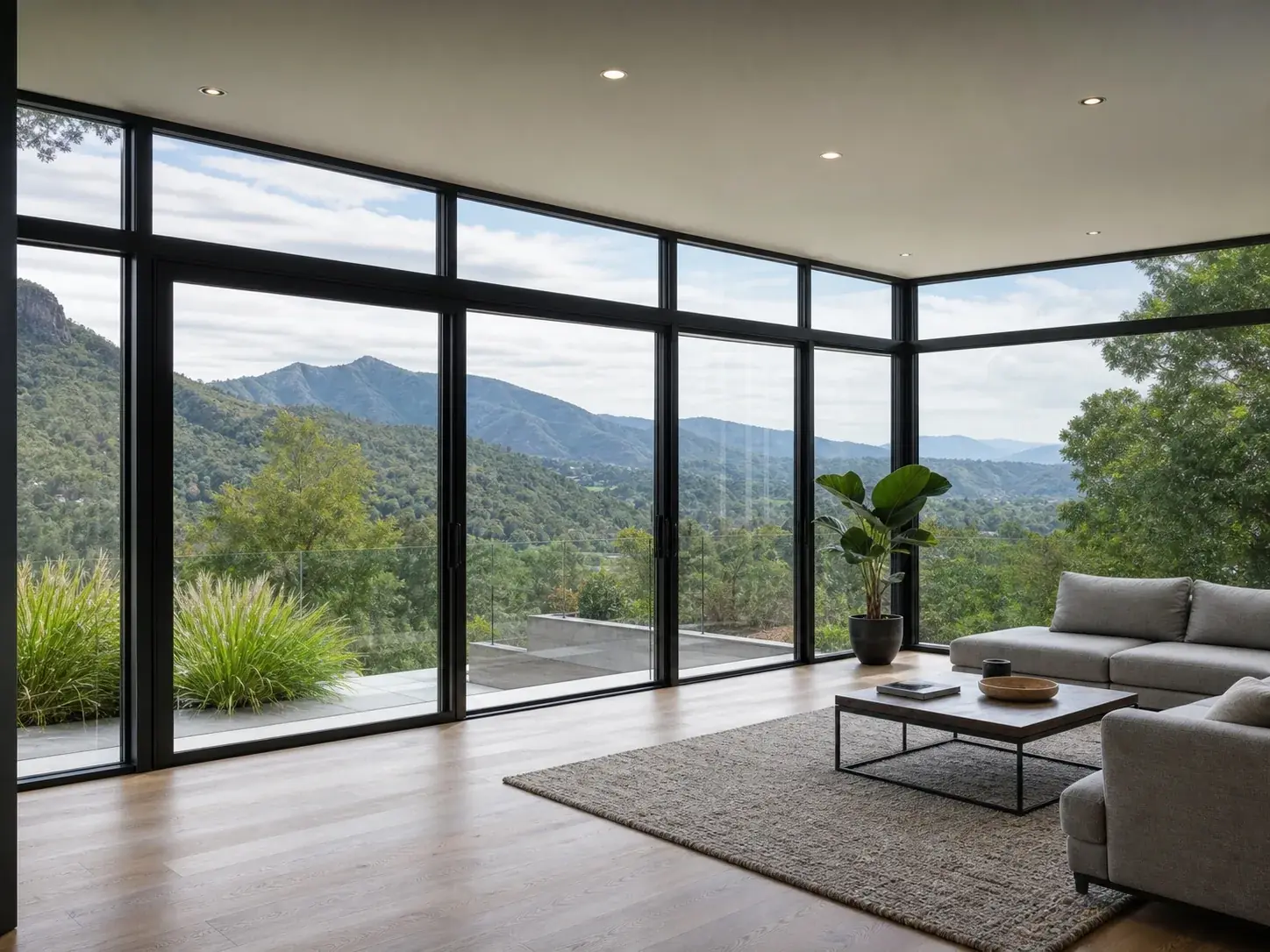
Villa, residential multi-unit, commercial and interior openings.
Our strengths
A manufacturing partner built for export projects and long-term supply.
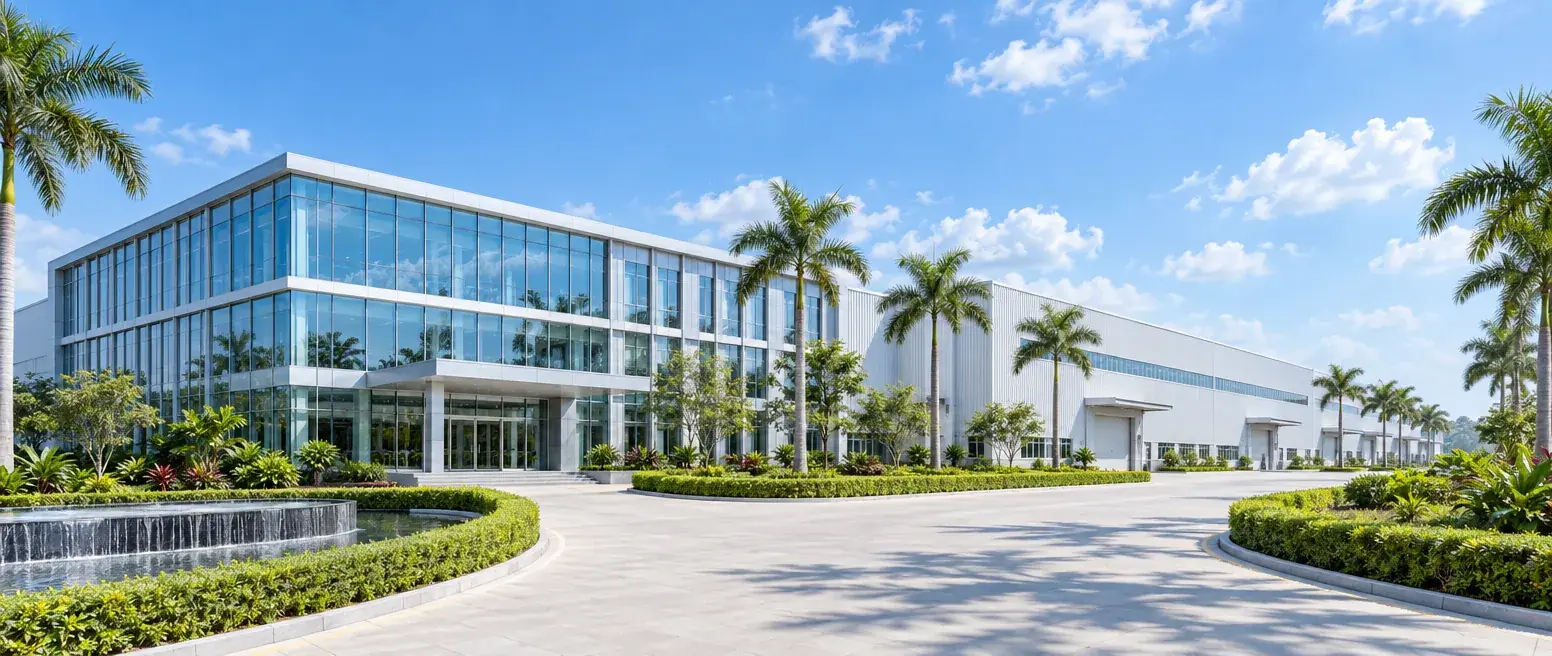
Work with a China manufacturer focused on custom aluminum openings.
Drawing review, series selection and documentation for B2B buyers.
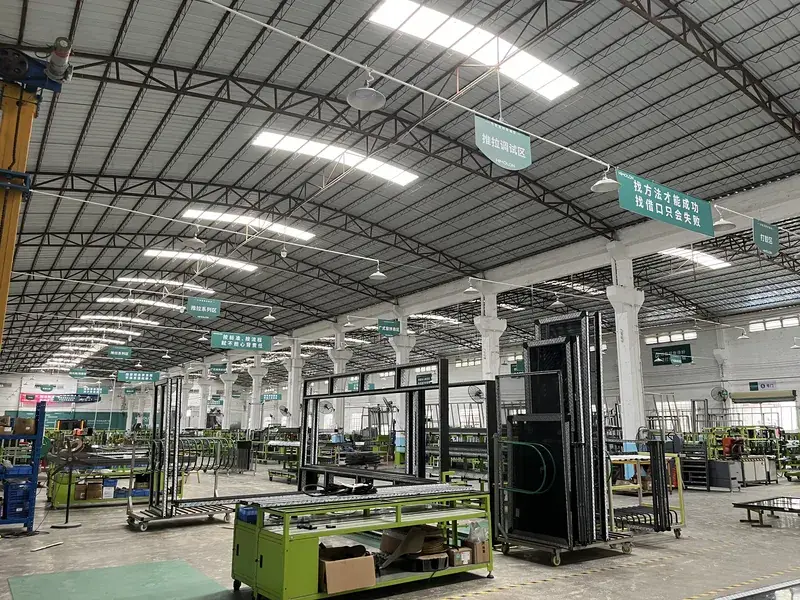
Process control from profile processing to final inspection.
Suitable for dealers, builders and commercial contractors.
Crating, labeling and documents for overseas freight.
Sizes, glass and hardware matched to your drawings.
How we work
From requirements to export packing — clear steps for B2B buyers.
 01
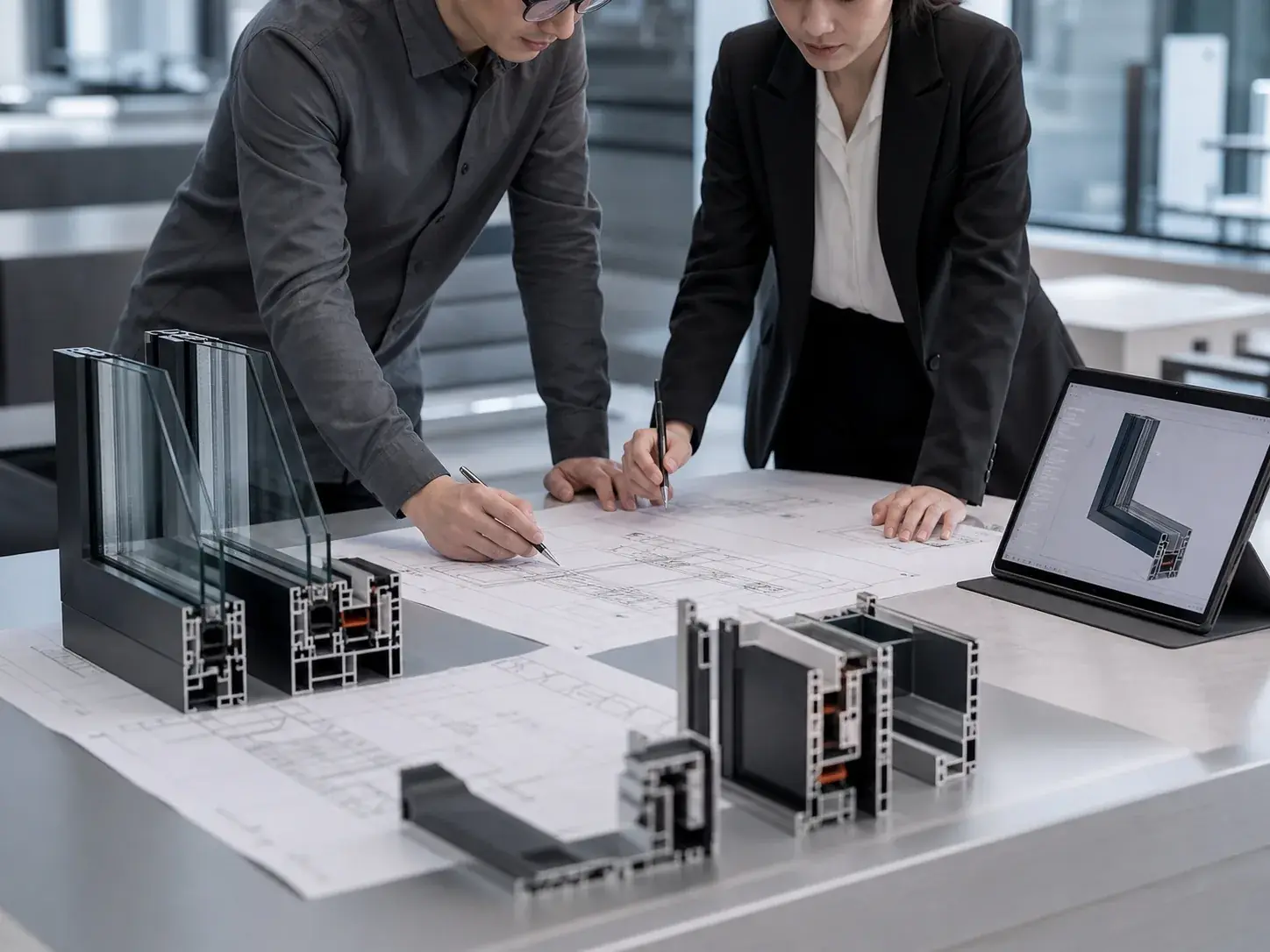
Sizes, drawings, performance targets.
 02
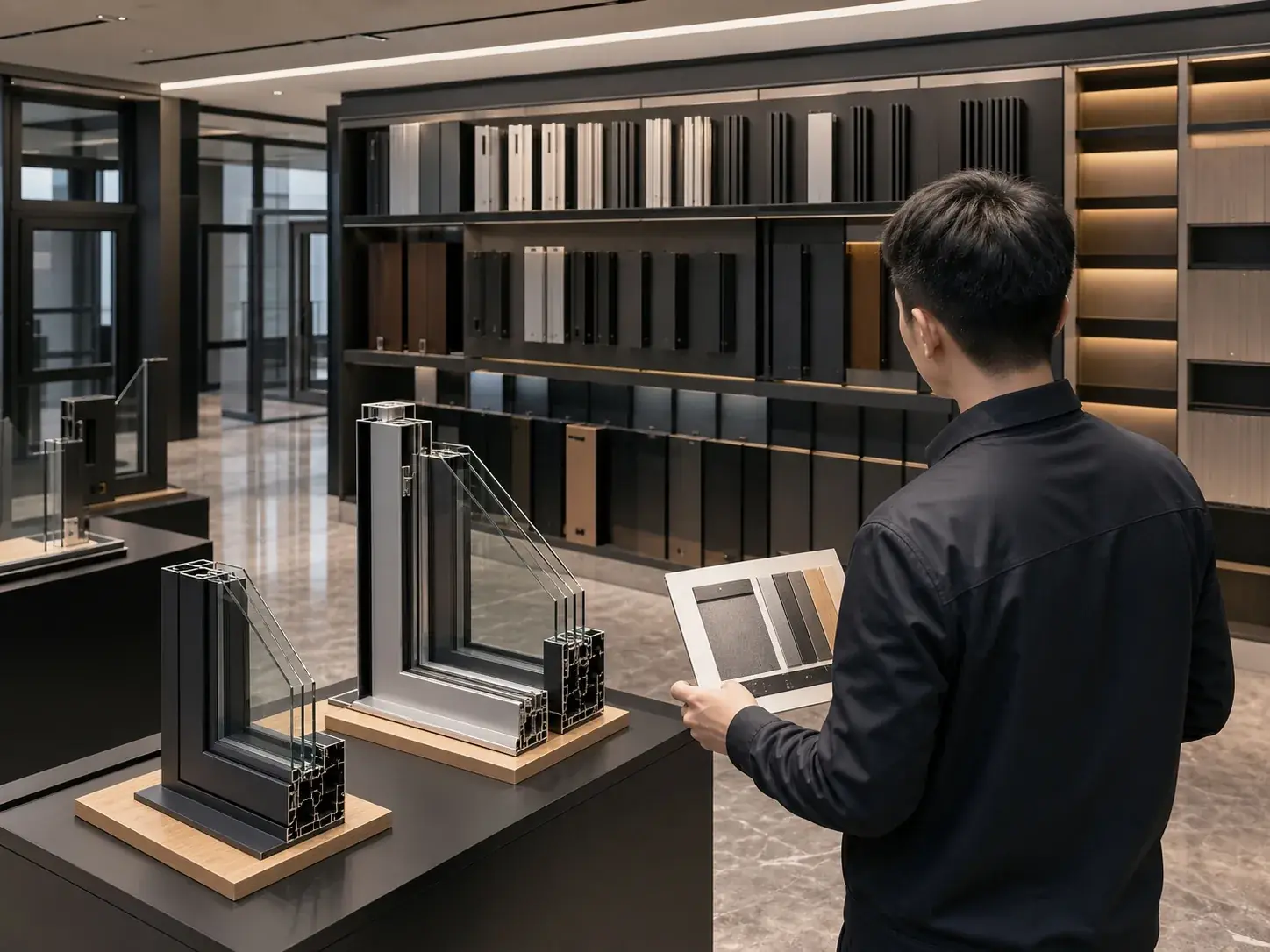
Series, glass, finish proposals.
 03
Pricing, MOQ and lead time.
 04
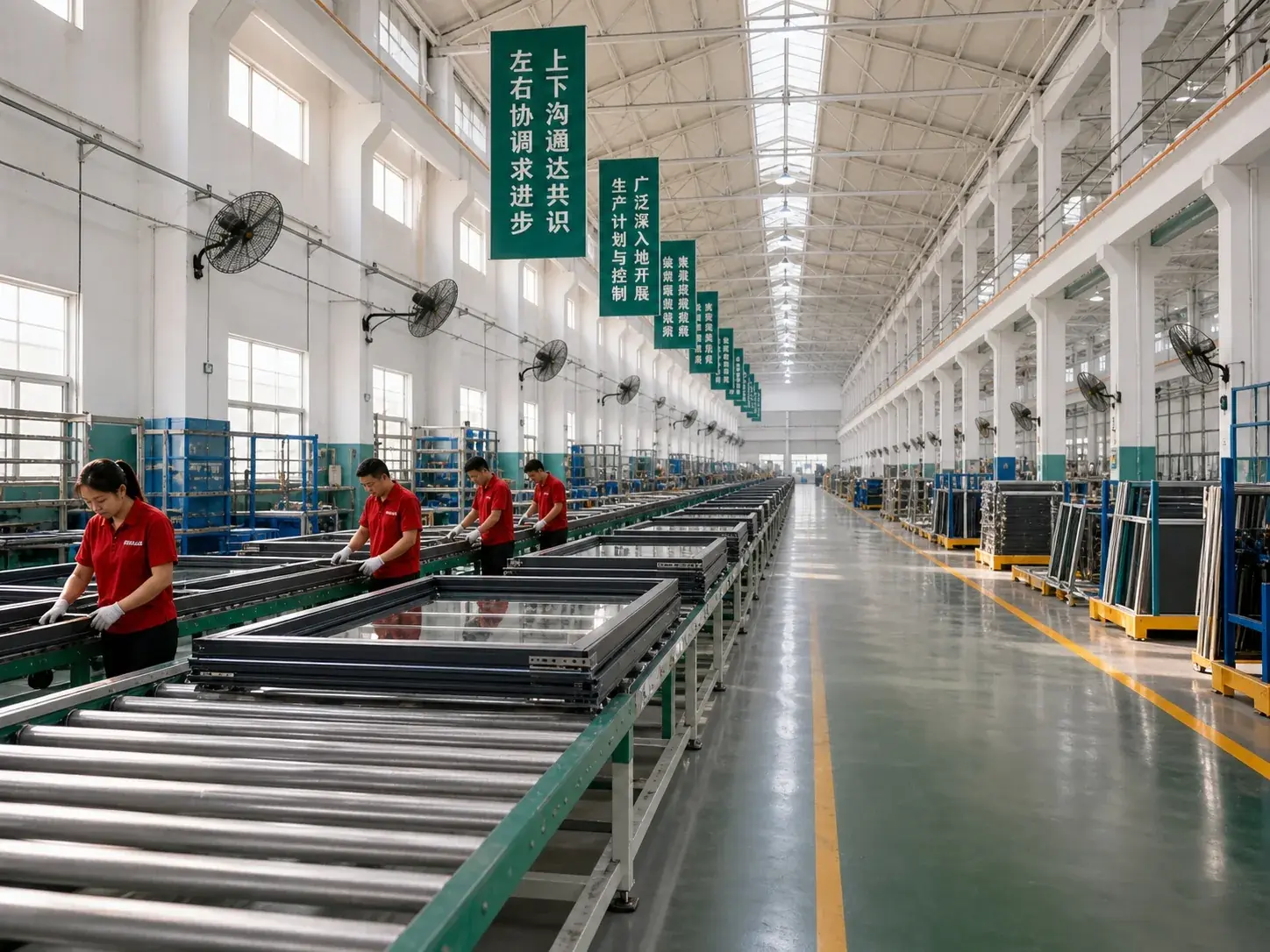
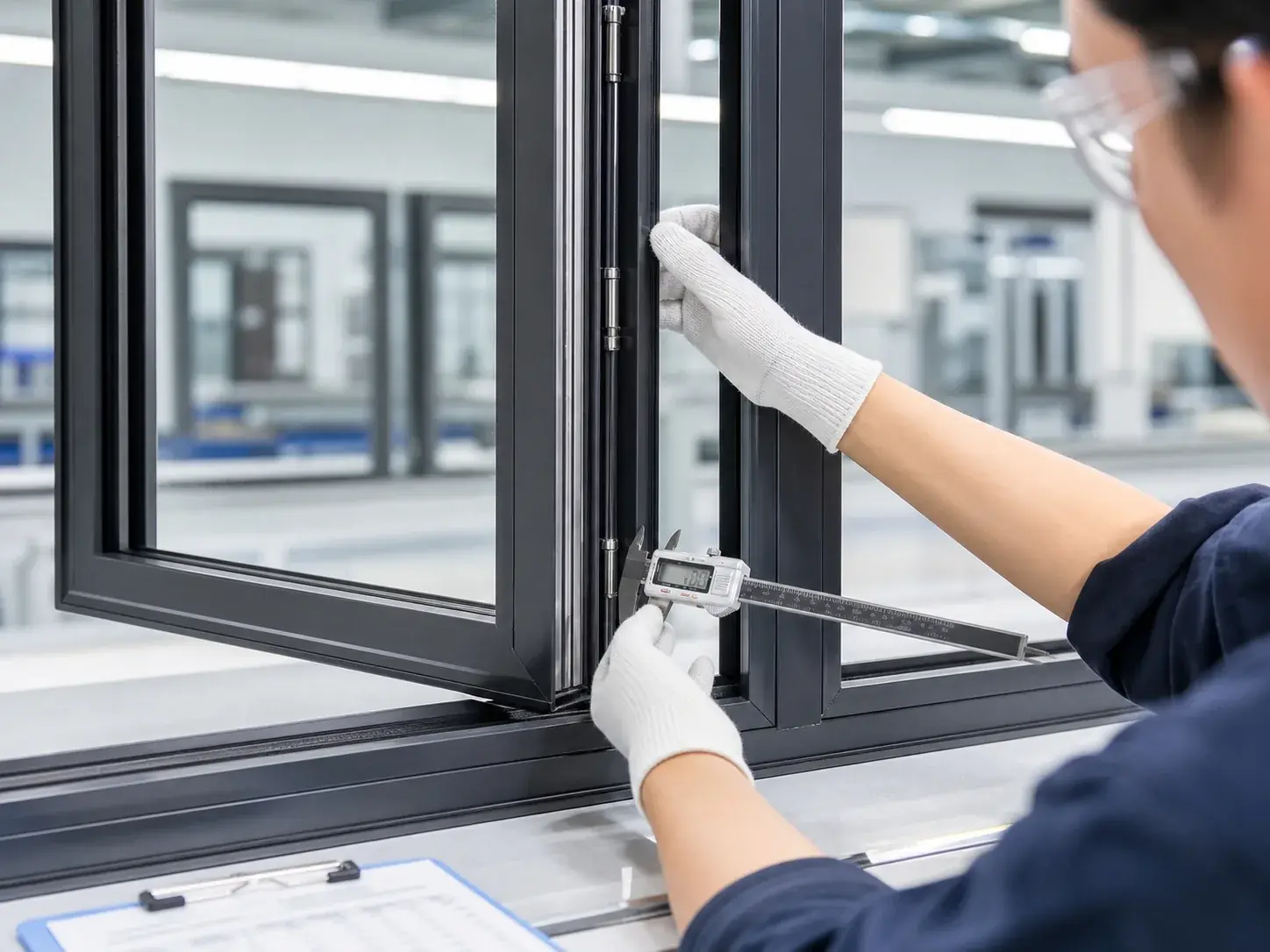
Profile, machine, assemble, finish.
 05
Inspection before release.
 06
Export crates and documents.
Transparent milestones for B2B buyers — from drawings to export packing.
Start Your ProjectTell us about openings, destination and quantity — we will recommend glass, finish and hardware options.
Aluminum Louvre Window from Aoslon is a custom aluminum window system manufactured to project sizes. Share openings, glass preference and destination for a tailored proposal.
Yes. Most systems are made to drawings with powder-coat or anodized finish options. Confirm color and hardware when requesting a quote.
Rough openings or shop drawings, glass type, destination country/port, quantity and target lead time. Upload PDF/DWG/DXF on the form.
MOQ depends on series, finish and whether the order is a dealer stock lot or a project lot. Sample and pilot quantities can be discussed for qualified buyers. Share target SKUs and destination for guidance.
Typical production after deposit and drawing freeze is often in the 25–45 day range for common finishes and glass, longer for complex glass, special colors or peak season. We confirm lead time on each quotation.
Common terms include FOB Chinese ports and CIF/CFR to destination ports when logistics are arranged with us. EXW is available for buyers with their own forwarder. Confirm preferred terms on the RFQ.
Yes. We supply distributors, builders and commercial buyers with export packing and technical documents. See Become a Dealer for partner support.
Samples can be arranged for qualified inquiries. Mention sample needs in the quote form.
Related aluminum window configurations often specified on the same project.
Get a free quote
Share project details for Aluminum Louvre Window — sizes, glass, finish and destination. Our export team will respond with options.
Typically reply within 12–24 hours on business days.