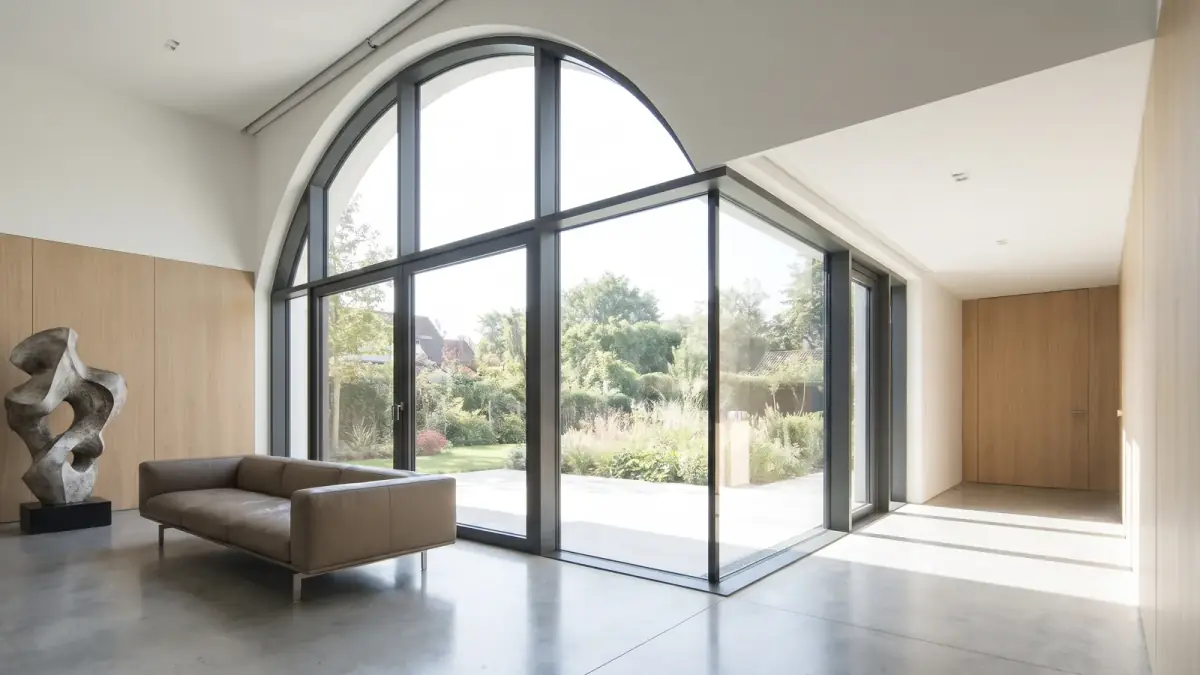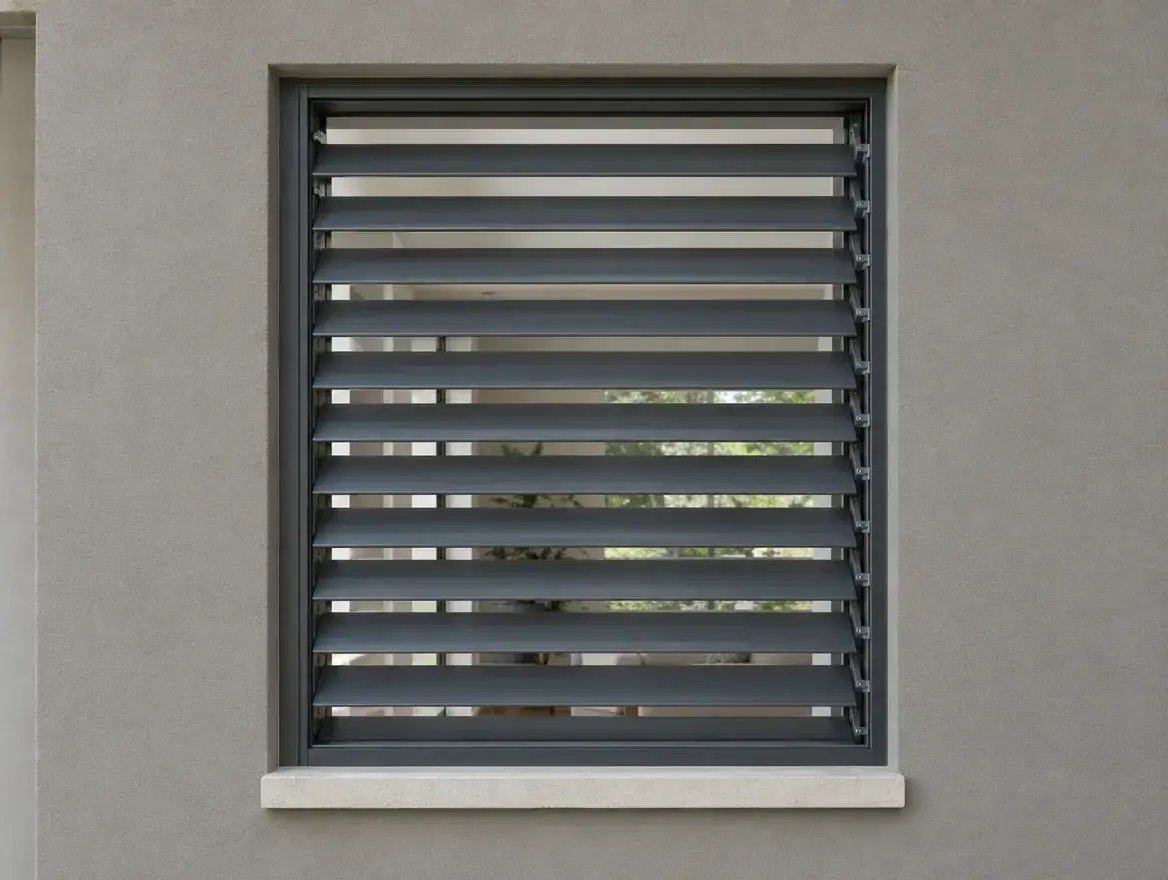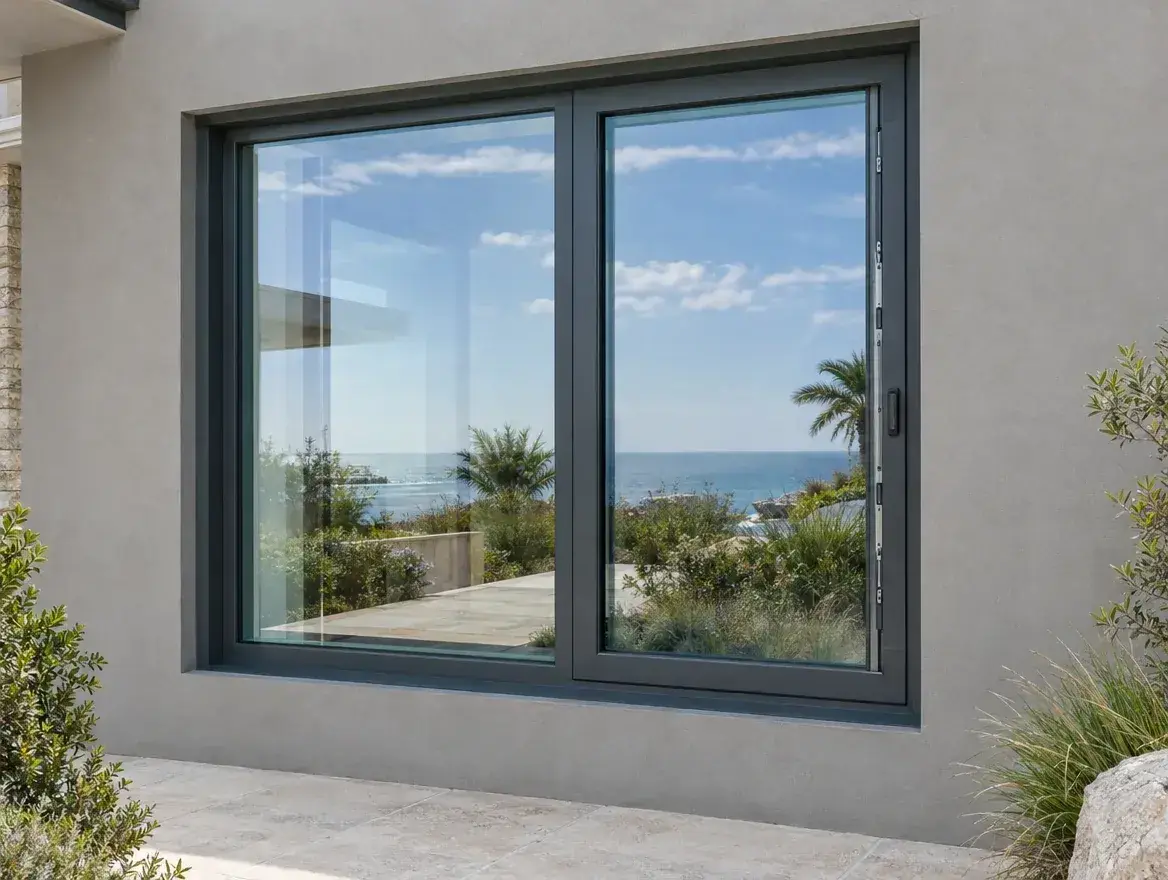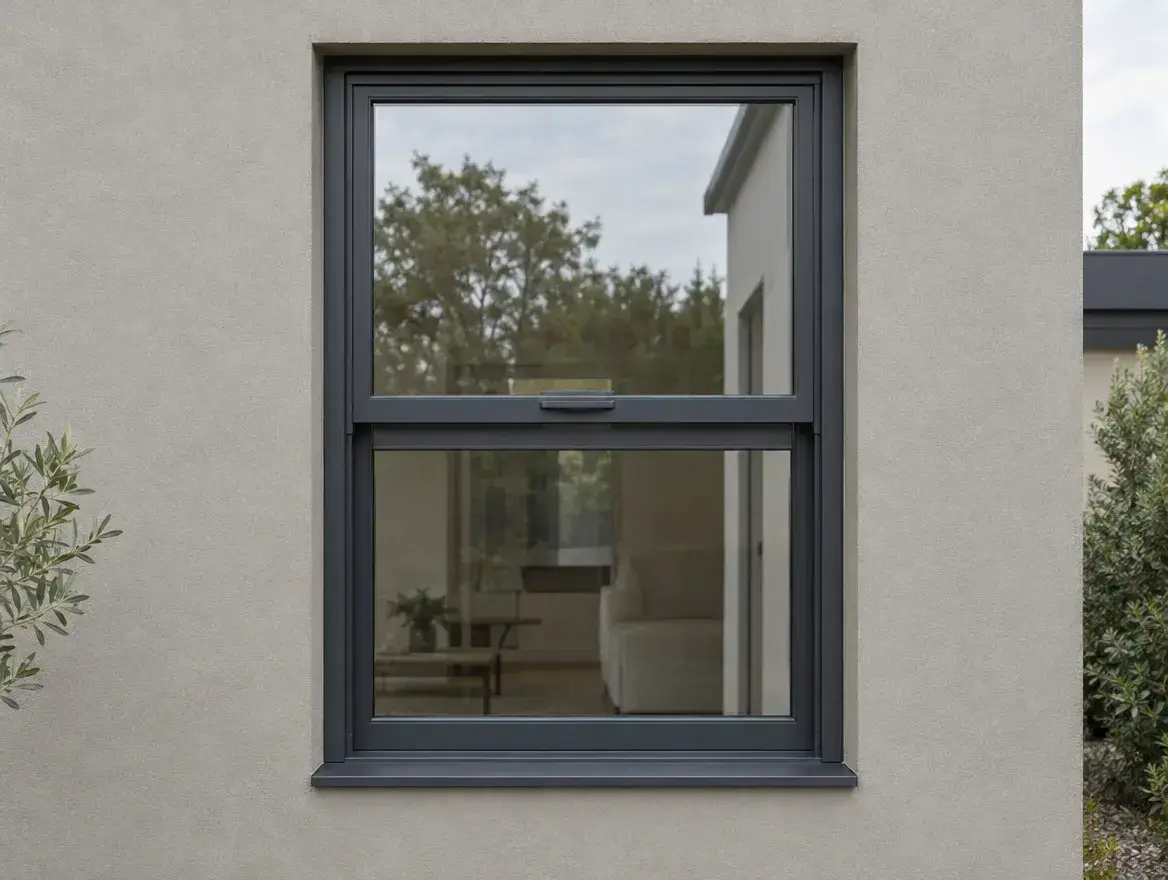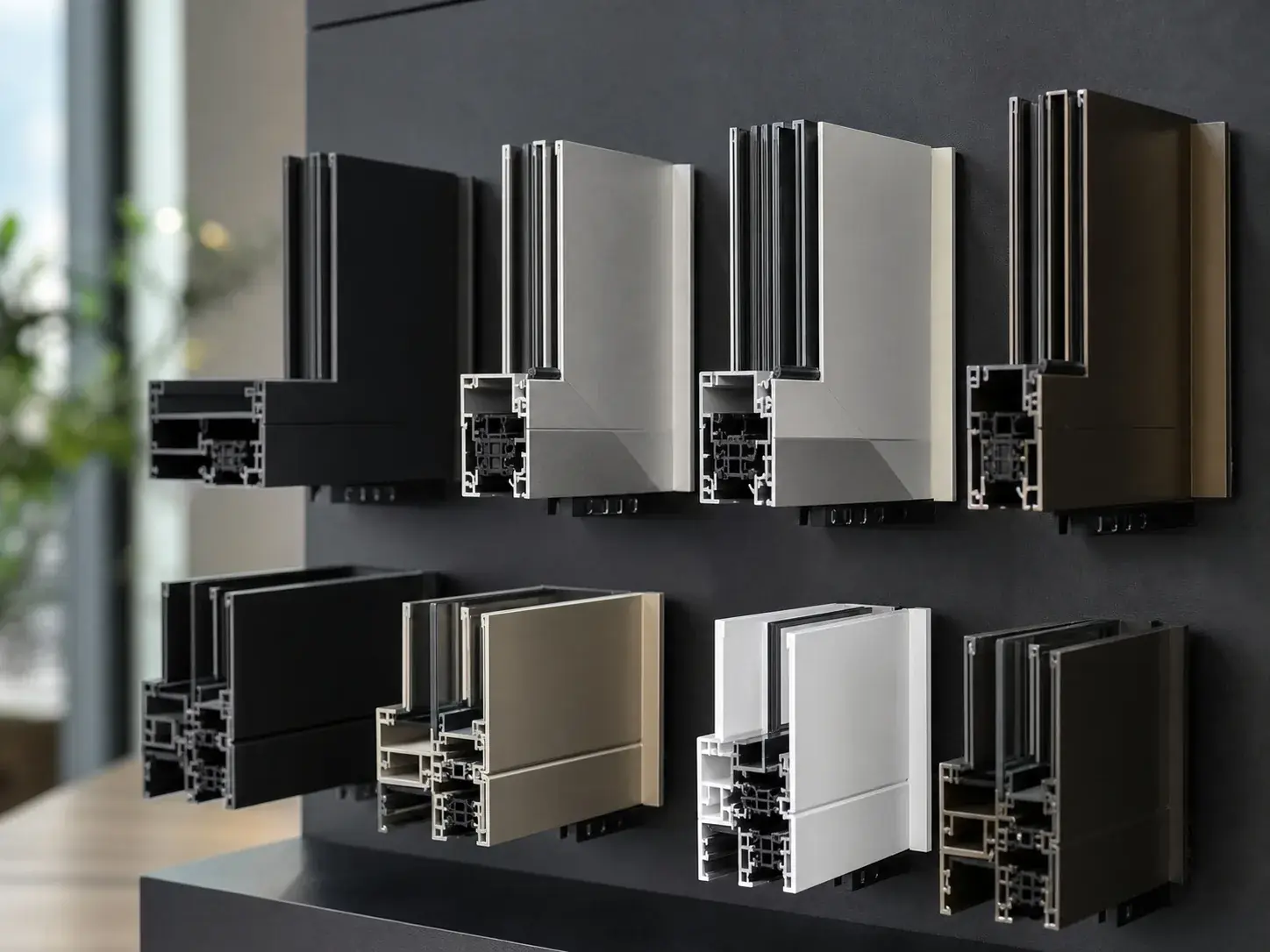
Powder coat finishes
RAL powder coat specified to the drawings so servery leaves match the counter frontage, café branding or facade palette.

Aluminum Folding Window manufacturer & supplier from China — custom aluminum systems for villa, multi-unit and commercial export projects.
Third-party certified
Certificates are issued to our manufacturing entity and each covers the series named on it.
View certificate detailsProfile depth, sealing paths and hardware geometry selected for smooth operation and long-term durability on export projects.
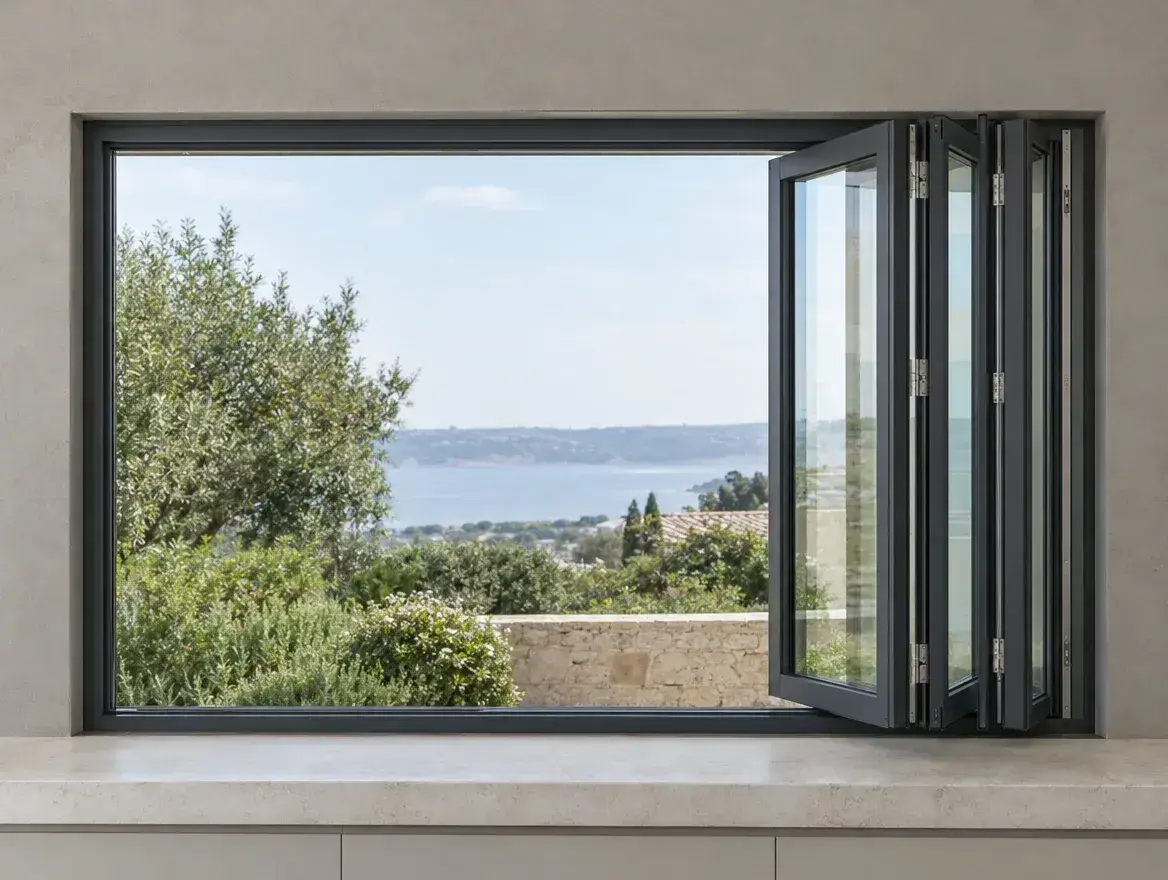
Aoslon aluminum folding windows open a servery, bar frontage or cafe hatch by folding the leaves back along a track, leaving the counter aperture clear. Closed, the same leaves form a sealed window, so one opening serves trade and a shut frontage. Units are manufactured to the architect's opening sizes and rough openings for hospitality and residential work.
Profiles are thermal-break aluminum where the servery is conditioned, with powder coat or anodized finishing, and IGU glazing in Low-E or laminated options. Supply runs direct from the factory, through dealers, or in project lots.
A sliding window opens by lapping one panel behind another, so part of the opening stays behind glass. A folding window works differently: the leaves are hinged to each other and run on a track, so they gather at one end and the counter aperture is left fully clear. For a servery, that is the whole point. Staff pass plates and drinks across the opening without reaching around a fixed pane, and the frontage reads as open rather than as a window with a gap.
When service ends, the leaves fold back across the opening and latch into a closed window. The counter line is sealed again, and the frontage returns to the same elevation it presents to the street during closed hours. That dual state — open for trade, sealed when shut — is what separates a folding window from a fixed hatch or a sliding pass-through.
The type is built for hatches that need to open wide and close to a sealed window, which is why it appears on bars, cafes and residential kitchen servers rather than on general room ventilation.
The design of a folding window is decided by two measurements: how wide each leaf can be, and where the folded stack will sit. Leaf widths are set within the series limit so that the stack clears the counter and does not foul the wall, a return or a service point. A single-fold arrangement gives one hinge point and a compact stack; a multi-leaf arrangement covers a wider opening but needs more room at the end of the run.
Opening height matters as much as width. A tall leaf is heavier, and the support arrangement has to hold it when open and control it when closing. That is why the specification sheet asks for drawings to check leaf weight and stack clearance rather than quoting a maximum size: the usable size is the one the hardware and the stack position allow on that particular counter.
Where the counter has a return or a wall close to one end, the stack side is chosen at drawing stage. Folding the leaves away from the serving side keeps the aisle clear for staff; folding them towards a closed wall hides the stack when the window is open. Both options are available, but the decision changes the frame and the track, so it belongs in the enquiry rather than on site.
The table sets out how the main arrangements differ. Each row is confirmed against the drawing; none of it is a stock configuration.
| Arrangement | Support and stay | Hardware duty | Drawing must fix |
|---|---|---|---|
| Single-fold servery | Support and stay selected to leaf weight and opening height | Light commercial, cycles confirmed | Leaf width, hinge side, stack position |
| Multi-leaf bar frontage | Track and folding hardware matched to leaf weight and usage | Light commercial, cycles confirmed | Leaf count, panel widths, stack clearance |
| Residential kitchen hatch | Support and stay selected to the lighter leaf | Residential use, cycles confirmed | Opening height, counter depth, latch type |
Two columns do the real work. Support and stay is where a folding window succeeds or fails: the leaves must be held when open and controlled when closing, and the arrangement is chosen from leaf weight and opening height. Duty is the other: a bar frontage opened and closed through a service shift runs far more cycles than a domestic hatch, and the hardware package is scaled to that difference rather than to the opening size alone.
A folding window is handled constantly while it is open. Leaves are pushed back, pulled forward and latched several times a shift, and the hardware is chosen for that rhythm. Folding hardware, stays and track are matched to leaf weight and usage, and the support — gas strut or track — is selected against the opening height as well as the weight, so the leaf neither drops nor resists the operator.
Latches and locks are specified for the counter opening rather than for a domestic window. Closed, the leaves meet the frame and each other along a latch line that has to hold the frontage secure and pull the seals together; open, the latch must be operable by staff with full hands. Handle and latch finishes come in matte black, brushed or colour-matched tones chosen for servery counters and bar service points.
Cycle count is the number to confirm on a busy site. A folding window that opens once a day and one that opens at every service are the same drawing with different hardware, and the difference is quoted rather than assumed. Where the counter is exposed to wash-down, the finish choice matters as much as the mechanism.
Finishes on a folding window are part of the fit-out. RAL powder coat is specified to the drawings so the leaves match the counter frontage, the cafe branding or the facade palette, rather than arriving in a generic colour that fights the joinery. Anodized leaves are the alternative for bar and hospitality counters, where daily handling, wash-down and humidity are the conditions the finish lives in.
Glazing is IGU, with Low-E or laminated glass sized to the leaf limits so that the closed window seals the counter line. Thermal-break profiles are available where the opening is conditioned — a cafe that runs air conditioning up to the counter, or a residential hatch between a kitchen and a garden room. In an unconditioned servery the break is a project option rather than a default, and it is decided with the opening, not after it.
Closed performance is designed to the project targets for air, water and wind, and the latch line is part of that: a folding window seals where the leaves meet, so the latch and seal detail is specified with the hardware package. Leaves are checked at the folds, labeled per opening and crated for container freight to fit-out schedules. Quoted lead time is 25–45 days once deposit and drawing freeze are in place for standard finish and glazing.
Because the arrangement, the stack and the hardware all follow the counter, the enquiry should include:
The reply is a drawing set with the stack position, leaf widths and hardware schedule fixed. Broader performance targets across systems are covered in the commercial aluminum windows performance specs, and a project can be opened through contact us.
Configure finishes, glass, layouts and hardware for your market — then request a custom quote.
RAL powder coat specified to the drawings so servery leaves match the counter frontage, café branding or facade palette.
Anodized leaves resist the daily handling, wash-down and humidity of bar and hospitality counter service environments.
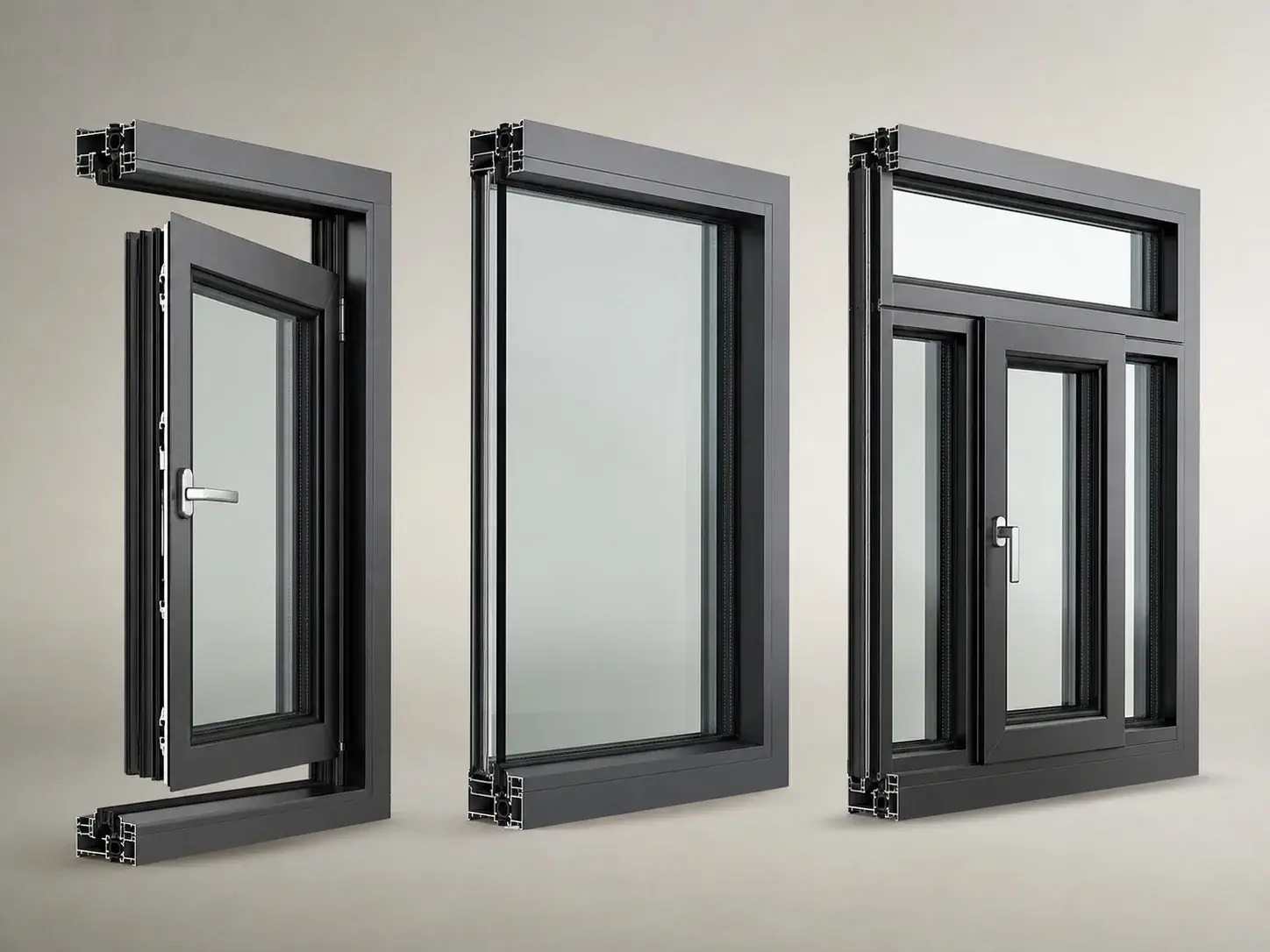
Single-fold and multi-leaf servery arrangements on drawings.
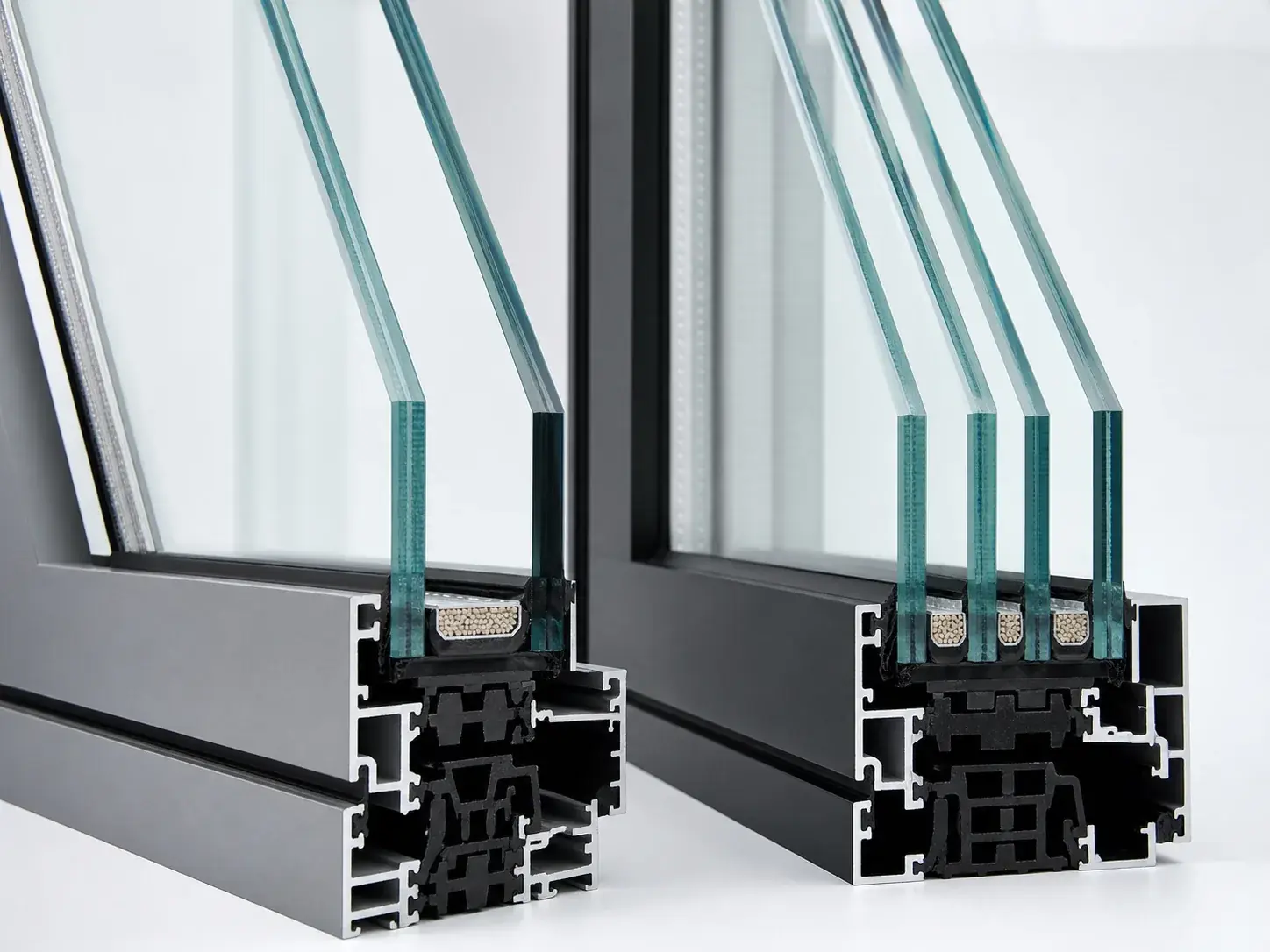
IGU builds with Low-E or laminated glass sized to leaf limits, sealing the counter line when the folding run is closed.
Typical engineering ranges for project discussions — final values follow drawings, glass and destination codes.
| Parameter | Typical range |
|---|---|
| System | Bi-fold servery & pass-through window |
| Frame depth (typical) | 65–85 mm track class |
| IGU thickness | 22–32 mm tempered IGU |
| Thermal break | Available on insulated series |
| Operation | Multi-leaf concertina stack to side jamb |
| Lead time (typical) | 25–45 days after drawing freeze |
Figures are typical engineering ranges for common configurations. Final air/water/wind, U-value and size limits depend on profile series, glass makeup, hardware and destination codes. Confirm on drawings with Aoslon engineering before submittal.
Engineering details buyers evaluate when specifying aluminum folding window.
Leaves fold back along the track so the counter opening is fully clear.
Built for hatches that need to open wide and close to a sealed window.
Support and stay arrangement selected to the leaf weight and opening height.
Leaf widths set within the series limit so the stack clears the counter.
Insulated aluminum profiles available where the opening is conditioned.
Leaves are QC-checked at the folds, labeled per opening and crated for container freight to overseas fit-out schedules.
Product details, features, styles, hardware and specifications for Aoslon aluminum window systems.
Leaves fold back along the track so the counter opening is fully clear.
Built for hatches that need to open wide and close to a sealed window.
Support and stay arrangement selected to the leaf weight and opening height.
Leaf widths set within the series limit so the stack clears the counter.
Insulated aluminum profiles available where the opening is conditioned.
Leaves are QC-checked at the folds, labeled per opening and crated for container freight to overseas fit-out schedules.
RAL powder coat specified to the drawings so servery leaves match the counter frontage, café branding or facade palette.
Anodized leaves resist the daily handling, wash-down and humidity of bar and hospitality counter service environments.
Single-fold and multi-leaf servery arrangements on drawings.
IGU builds with Low-E or laminated glass sized to leaf limits, sealing the counter line when the folding run is closed.
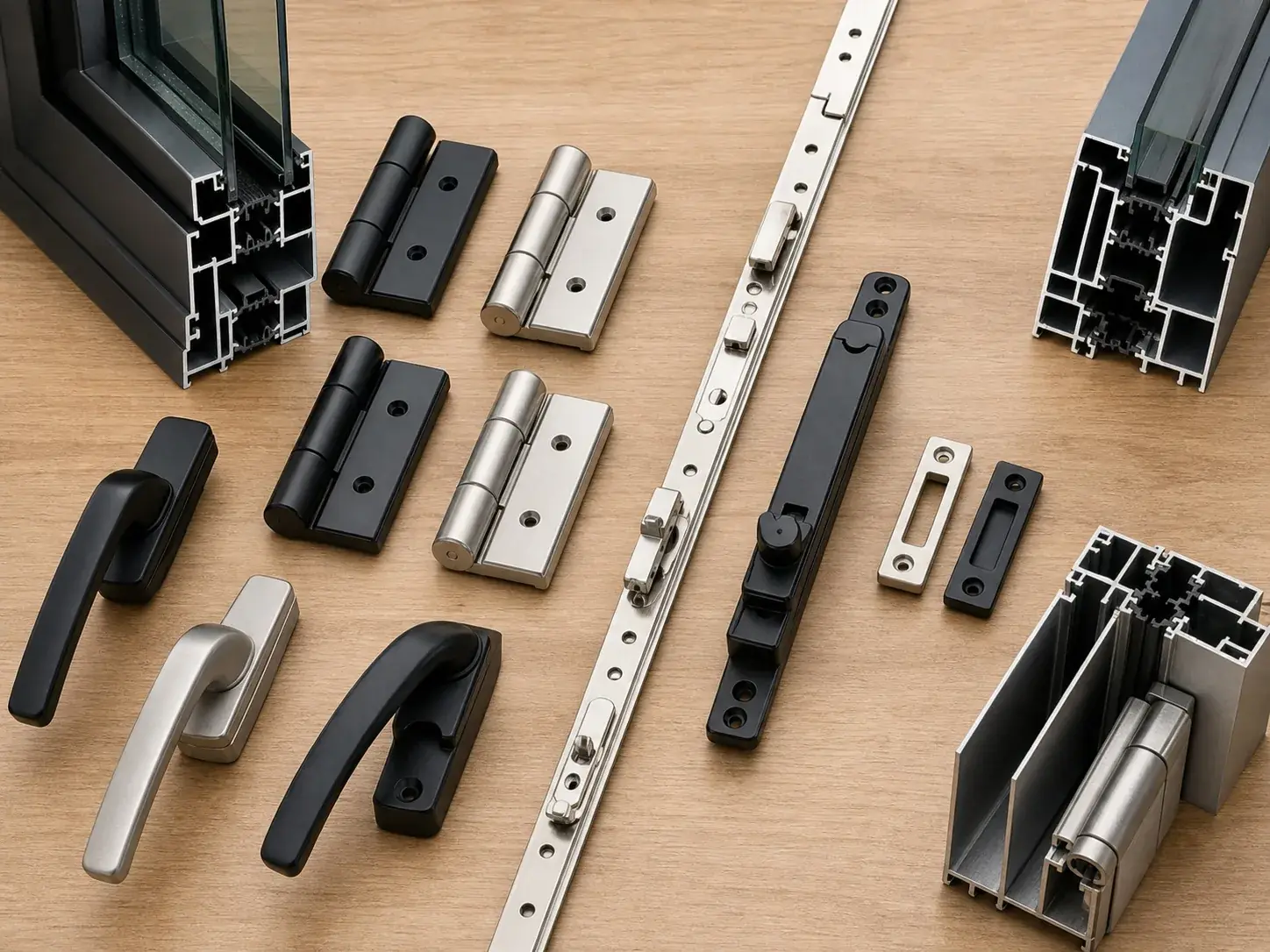
Handle and latch finishes in matte black, brushed or profile-matched tones chosen for servery counters and bar service points.
Latch and lock sets selected for the counter opening and the project specification.
Folding hardware, stays and track matched to leaf weight and usage.
Folding hardware packages rated for the daily open-close cycles of servery and bar duty, from residential hatch to light commercial service.
| System type | Aluminum Folding Window |
|---|---|
| Frame material | Thermal-break aluminum (project option) |
| Typical finish | Powder coat / anodized |
| Glazing | Single / double / triple IGU — Low-E & laminated on request |
| Opening types | Folding leaves on track |
| Applications | Servery, bar, cafe and residential openings |
| Customization | Made to drawings and rough openings |
| Supply model | Factory direct · Dealer · Project lots |
| Profile series | Confirm with Aoslon engineering for span and loads |
|---|---|
| Visible frame width | Slim / standard options — project-dependent |
| Max size guidance | Share drawings for leaf weight and stack clearance check |
| Glass thickness range | Per IGU build and destination code |
| Hardware duty | Light commercial duty (confirm cycles) |
| Air / water / wind | Designed to project performance targets |
| Packing | Export crates, corner protection, labeled units |
| Documents | Packing list, invoice support, series notes on request |
| Lead time | Quoted per quantity, finish and glass |
| MOQ | Discuss for dealers and multi-unit projects |
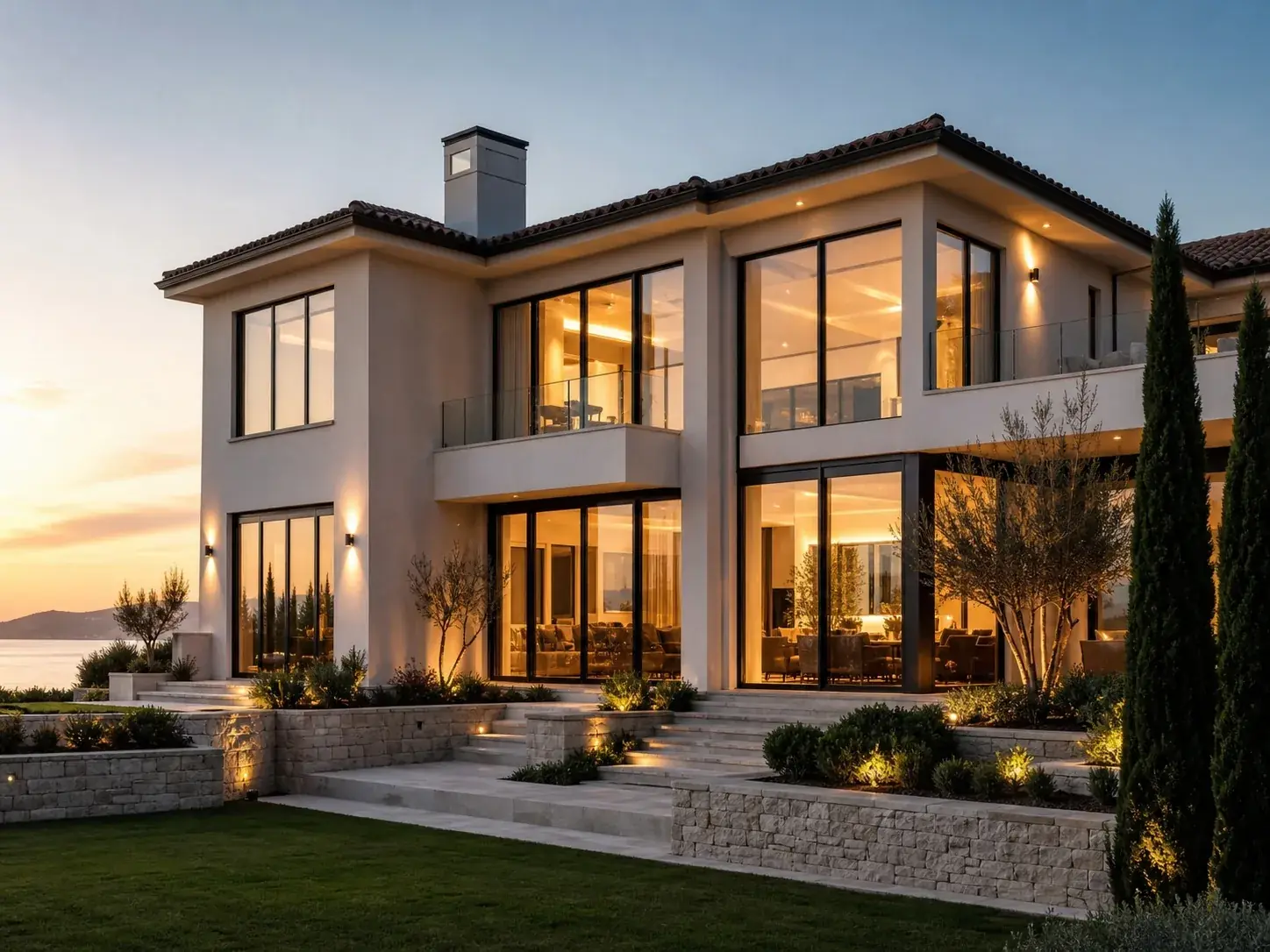
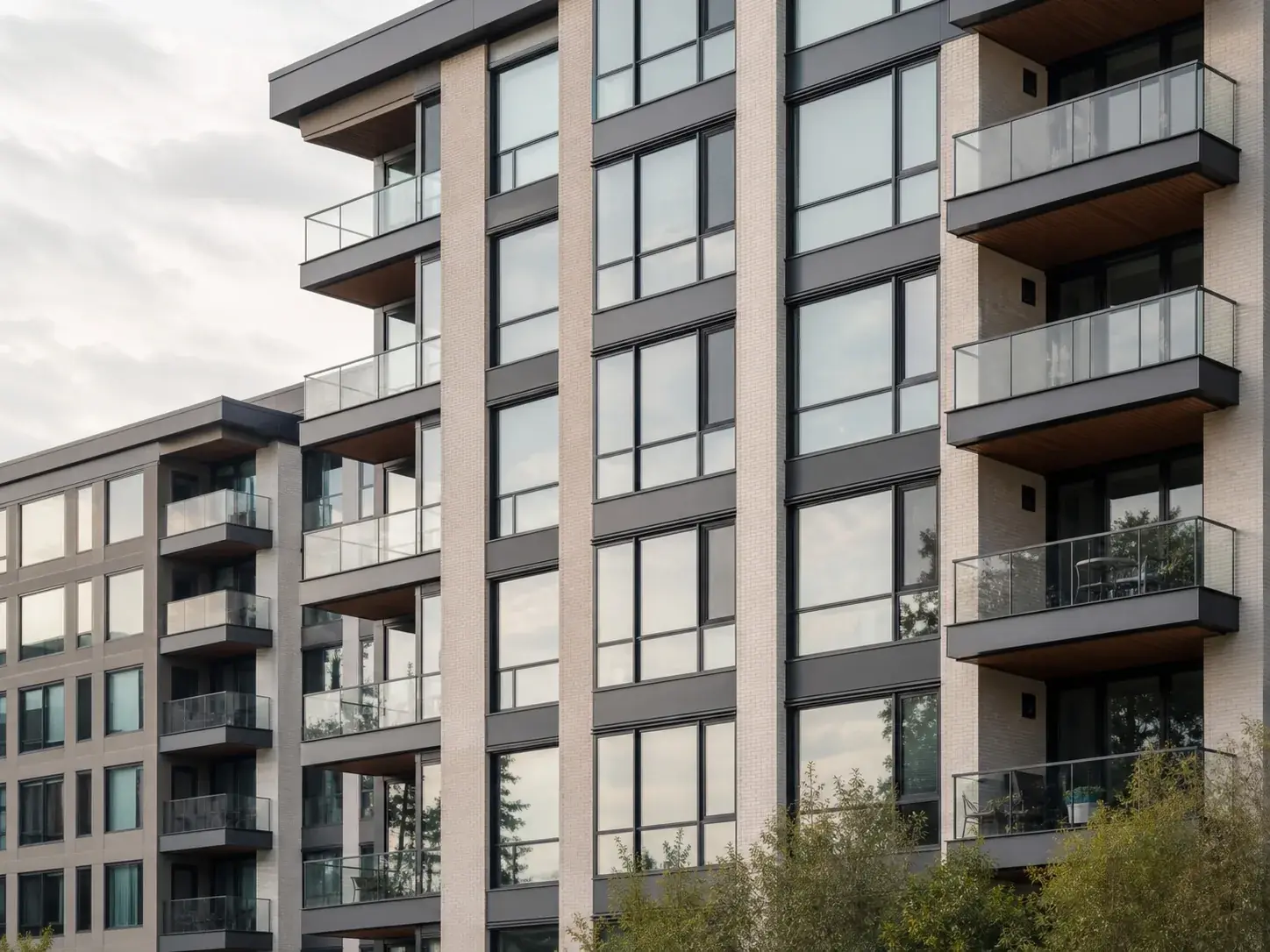
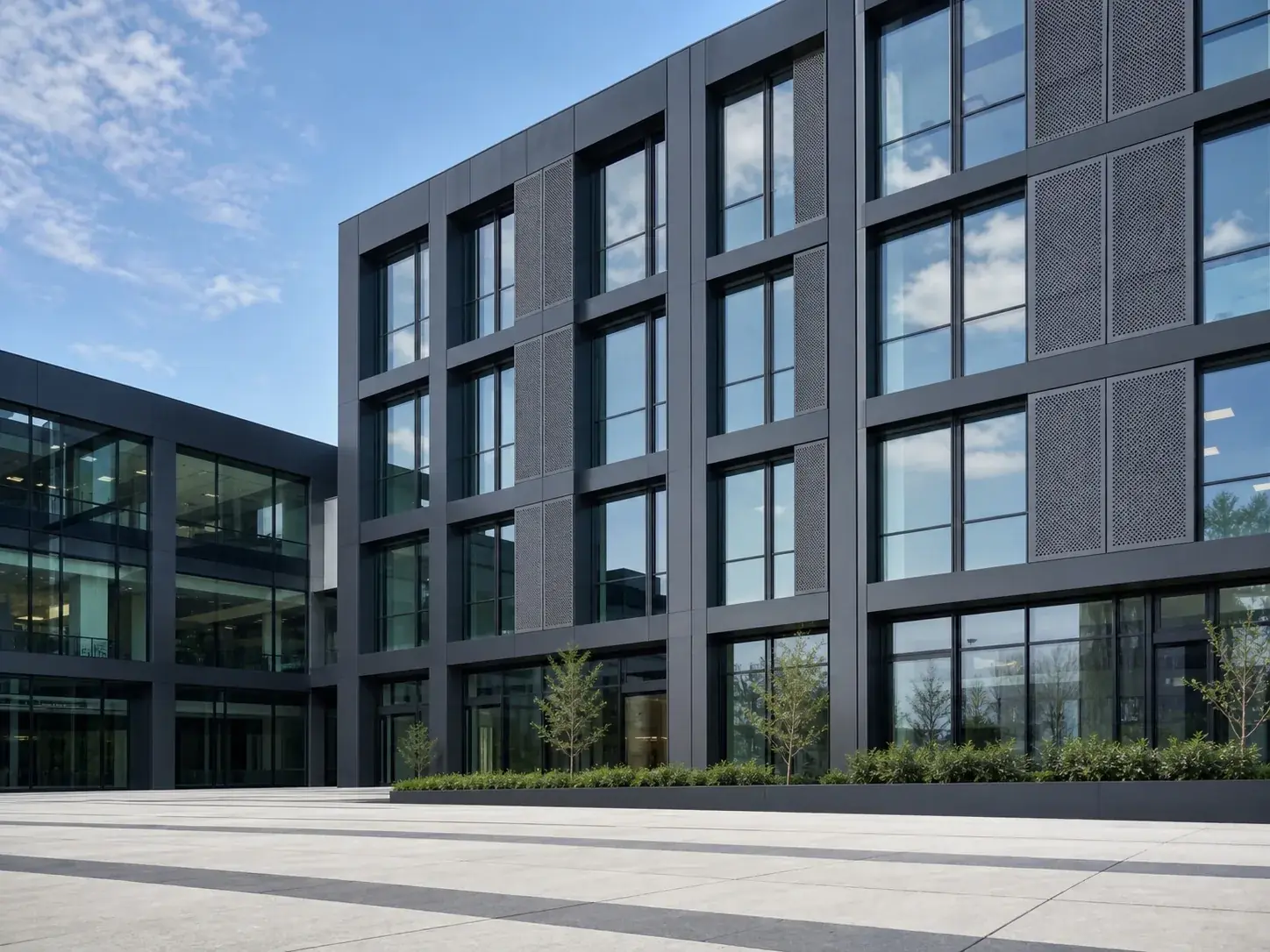
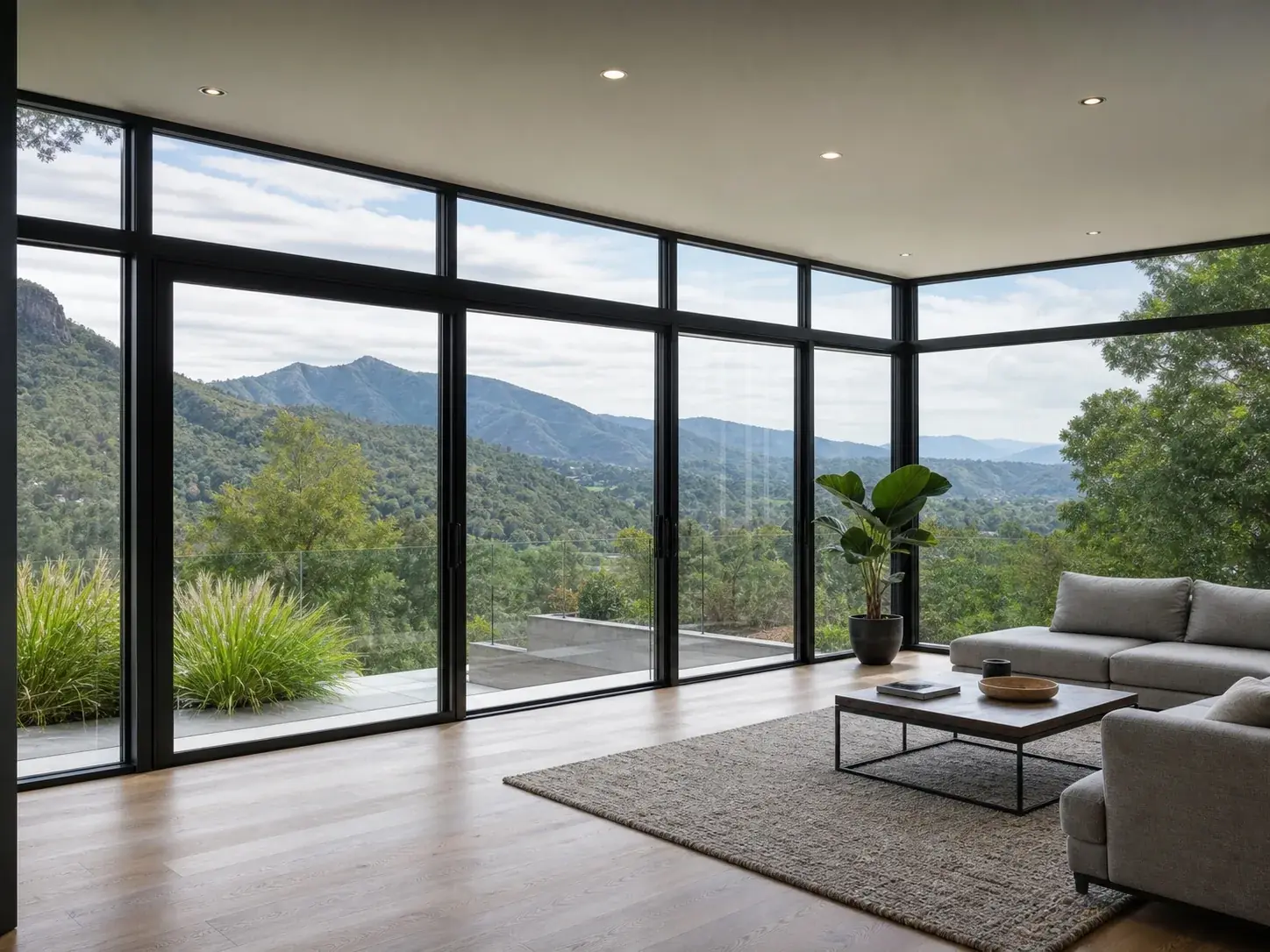
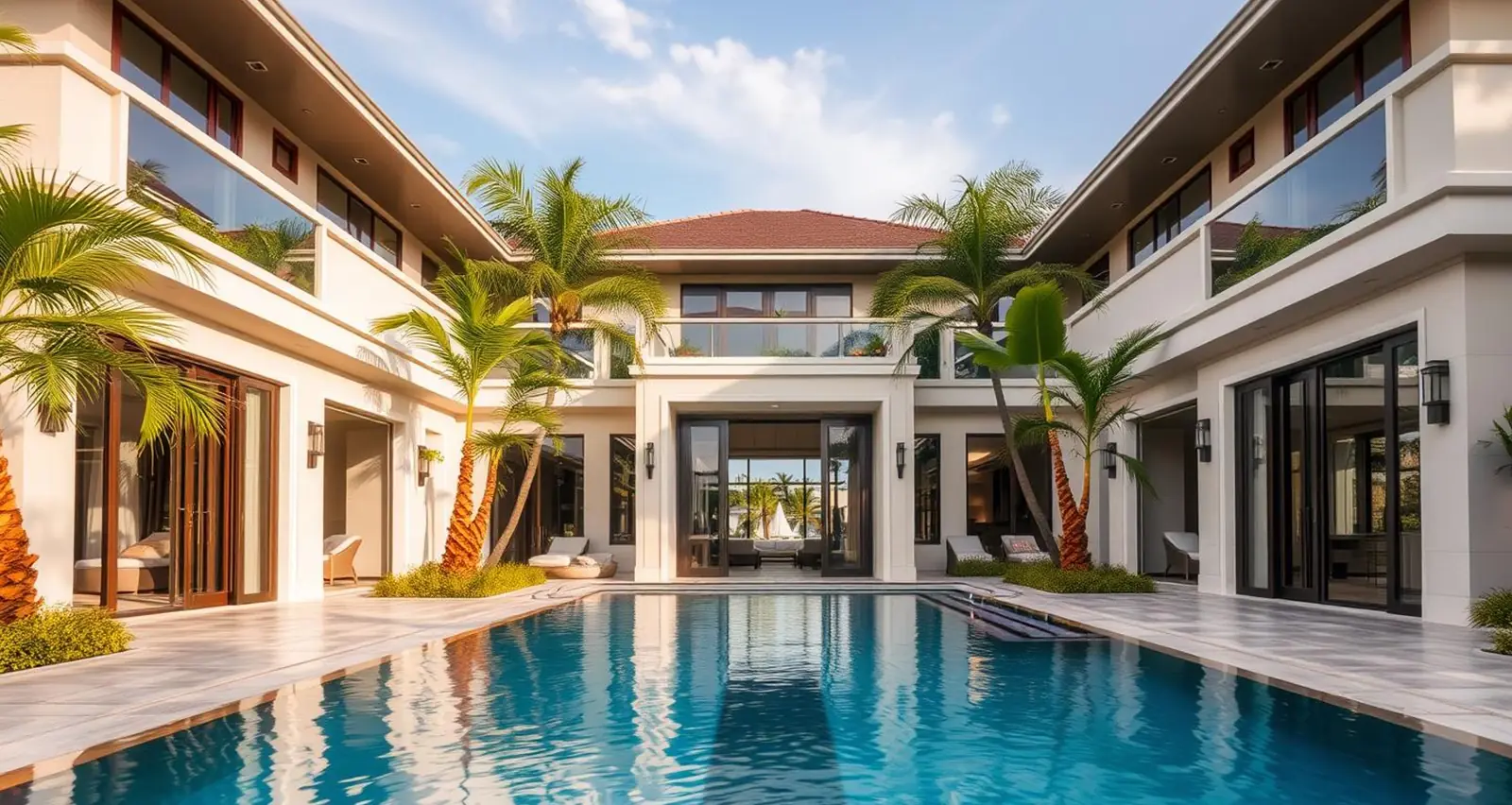
Villa, residential multi-unit, commercial and interior openings.
Our strengths
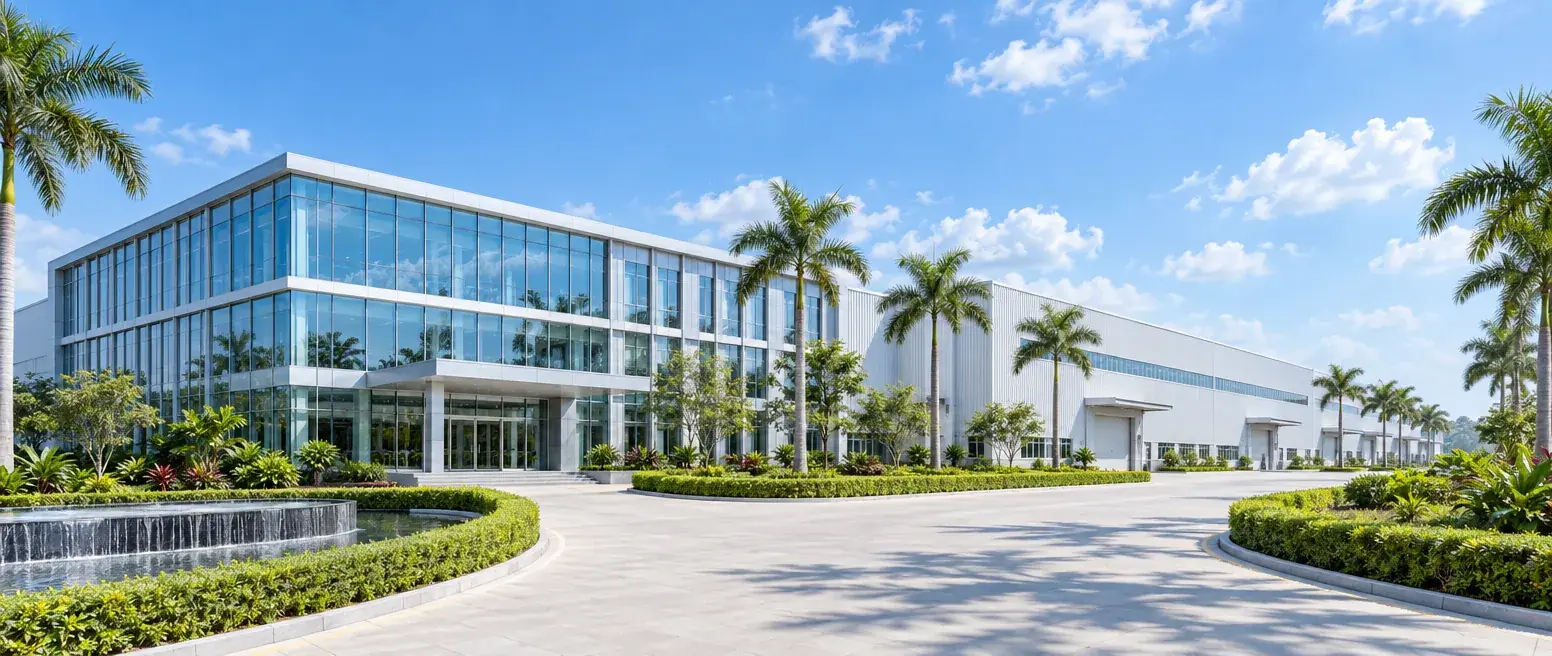
A manufacturing partner built for export projects and long-term supply.
Work with a China manufacturer focused on custom aluminum openings.
Drawing review, series selection and documentation for B2B buyers.
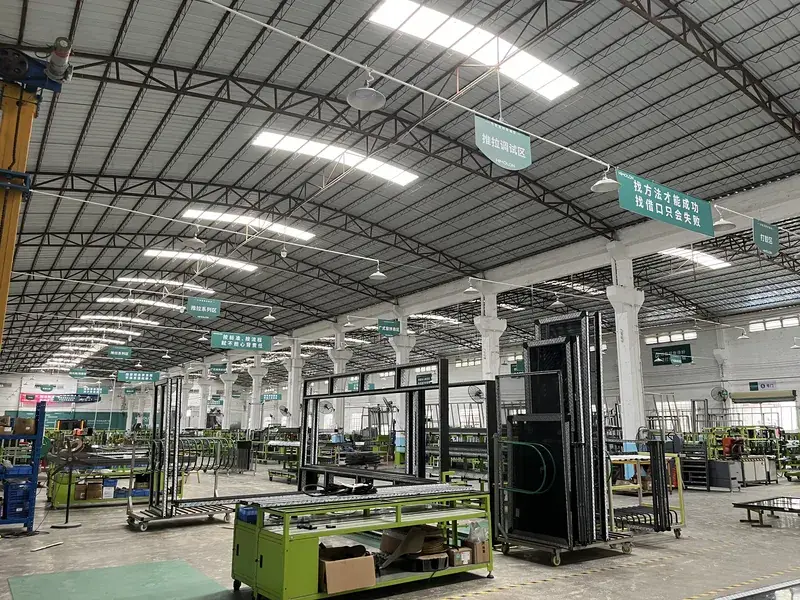
Process control from profile processing to final inspection.
Suitable for dealers, builders and commercial contractors.
Crating, labeling and documents for overseas freight.
Sizes, glass and hardware matched to your drawings.
How we work
From requirements to export packing — clear steps for B2B buyers.
 01
Sizes, drawings, performance targets.
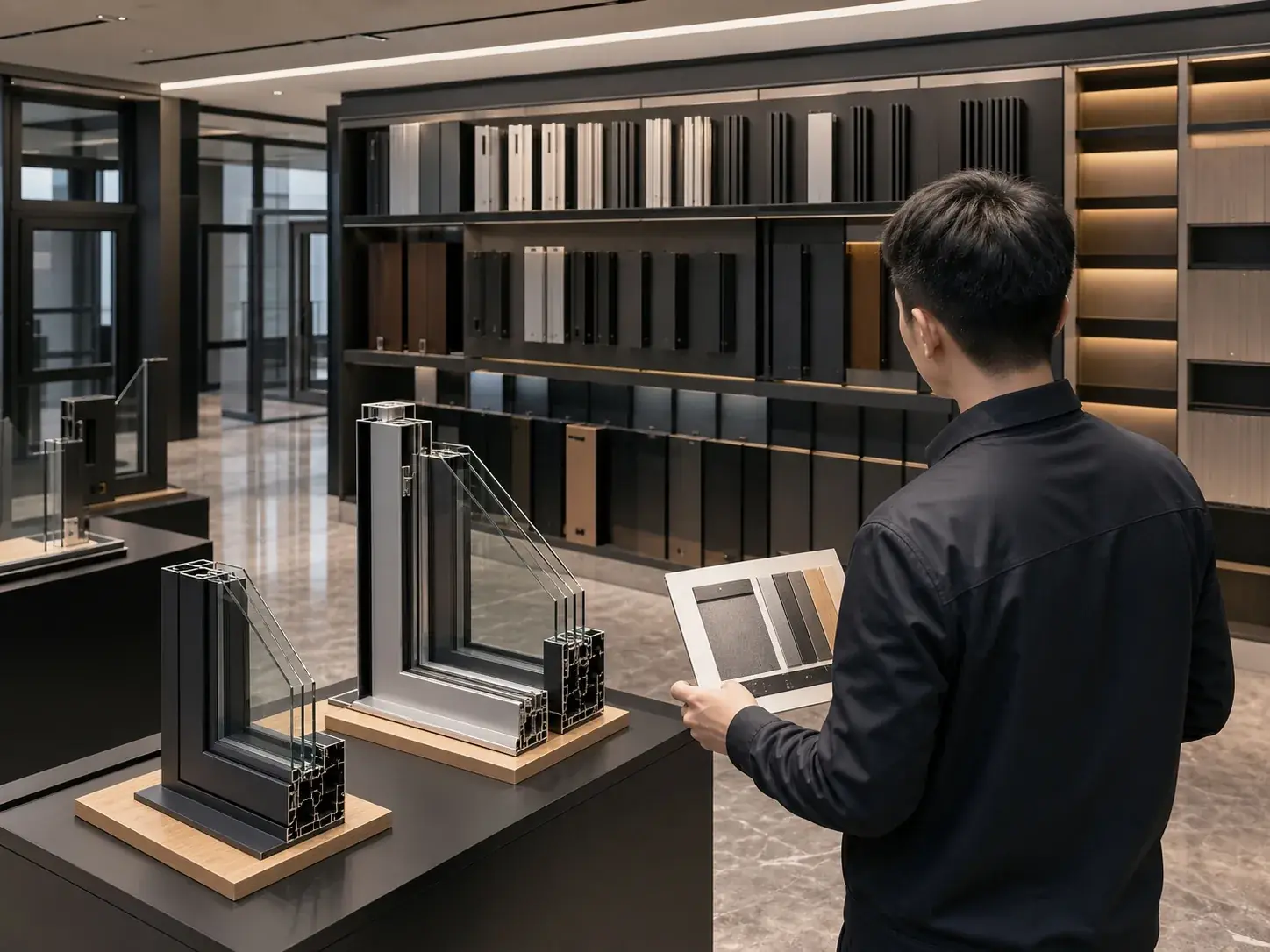 02
Series, glass, finish proposals.
 03
Pricing, MOQ and lead time.
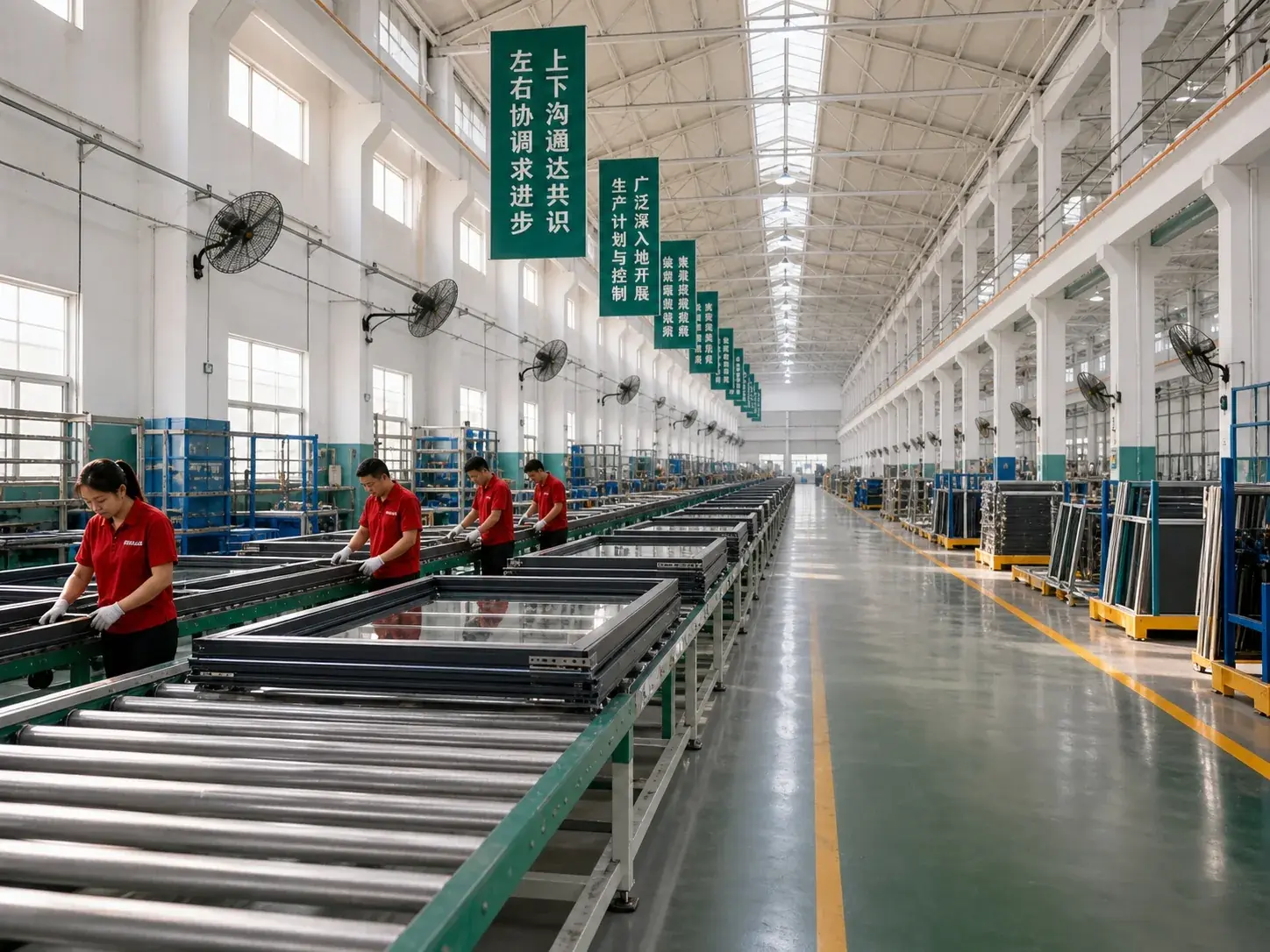 04
Profile, machine, assemble, finish.
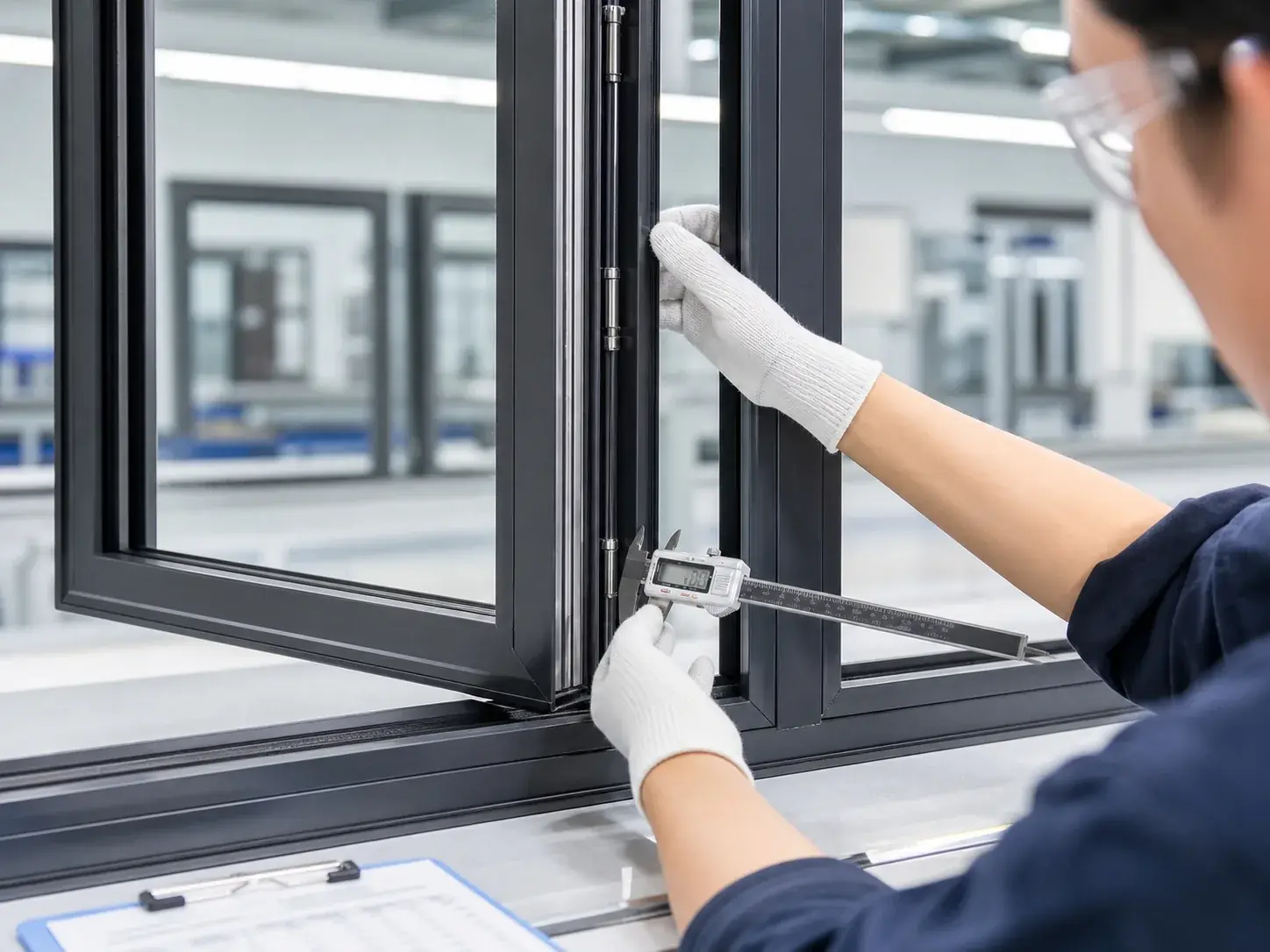 05
Inspection before release.
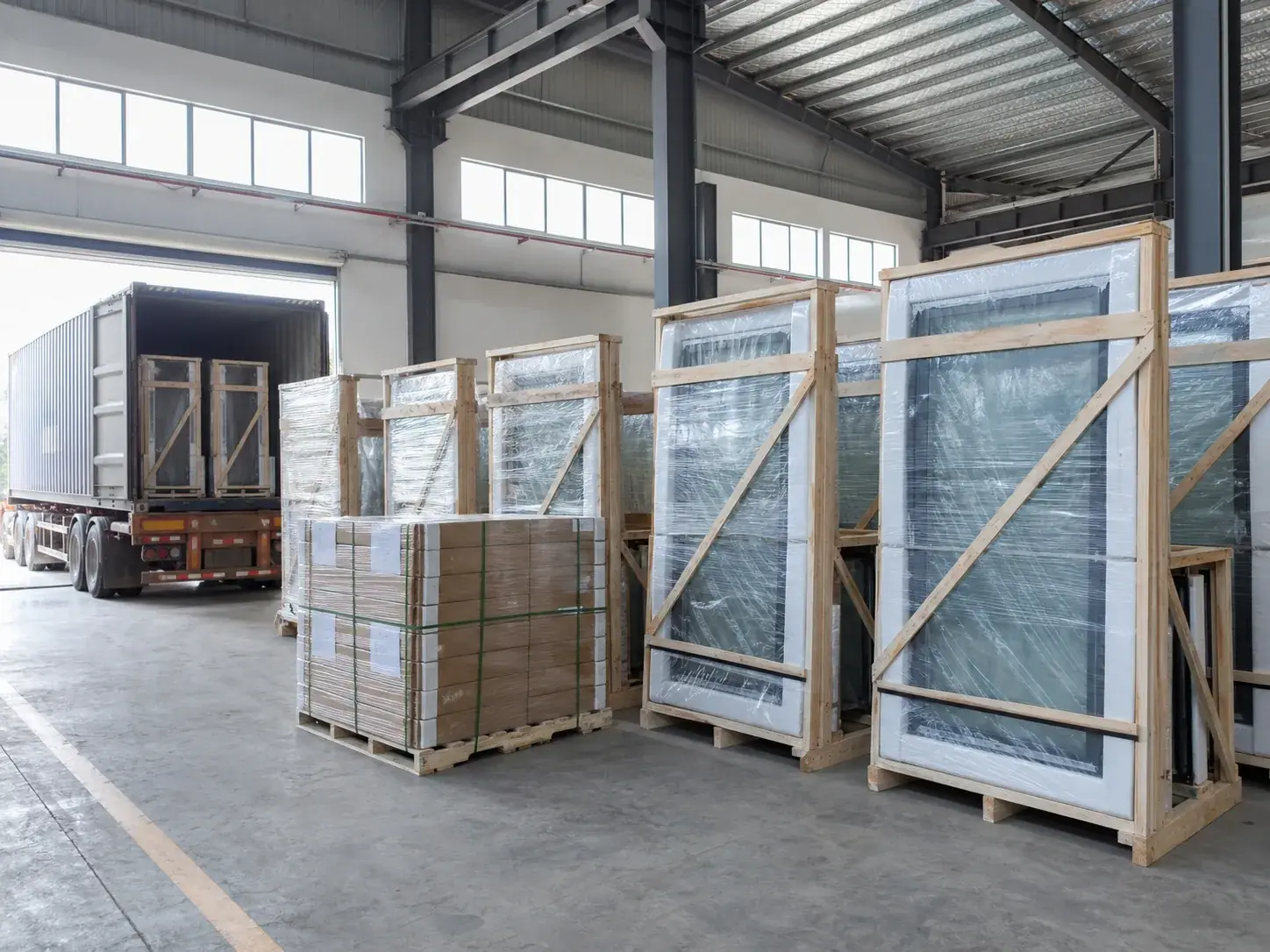 06
Export crates and documents.
Transparent milestones for B2B buyers — from drawings to export packing.
Start Your ProjectTell us about openings, destination and quantity — we will recommend glass, finish and hardware options.
Aluminum Folding Window from Aoslon is a custom aluminum window system manufactured to project sizes. Share openings, glass preference and destination for a tailored proposal.
Yes. Most systems are made to drawings with powder-coat or anodized finish options. Confirm color and hardware when requesting a quote.
Rough openings or shop drawings, glass type, destination country/port, quantity and target lead time. Upload PDF/DWG/DXF on the form.
MOQ depends on series, finish and whether the order is a dealer stock lot or a project lot. Sample and pilot quantities can be discussed for qualified buyers. Share target SKUs and destination for guidance.
Typical production after deposit and drawing freeze is often in the 25–45 day range for common finishes and glass, longer for complex glass, special colors or peak season. We confirm lead time on each quotation.
Common terms include FOB Chinese ports and CIF/CFR to destination ports when logistics are arranged with us. EXW is available for buyers with their own forwarder. Confirm preferred terms on the RFQ.
Yes. We supply distributors, builders and commercial buyers with export packing and technical documents. See Become a Dealer for partner support.
Samples can be arranged for qualified inquiries. Mention sample needs in the quote form.
Related aluminum window configurations often specified on the same project.
Get a free quote
Share project details for Aluminum Folding Window — sizes, glass, finish and destination. Our export team will respond with options.
Typically reply within 12–24 hours on business days.