
Table of Contents

Spotting the Problem: Signs of Poor Door Insulation
Before you can fix a problem, you need to recognize it. Identifying the signs of poor door insulation early can save you significant discomfort and money in the long run.
Cold drafts near the door
One of the most obvious indicators of poor insulation is a noticeable draft. Stand near your exterior doors, especially on a windy day, and feel for cold air seeping in around the edges, bottom, or even through the door itself. This cold air infiltration can dramatically lower the ambient temperature in adjacent rooms.
Condensation or frost buildup
During colder months, condensation or frost on the interior side of your doors can signal a lack of proper insulation. This occurs when warm, moist indoor air comes into contact with a cold door surface, indicating that the door isn't effectively preventing heat transfer.
Unusual spikes in heating bills
If your heating bills seem unusually high despite no significant change in your thermostat settings or energy usage, poor door insulation could be a major contributing factor. Heat escaping through poorly sealed doors forces your heating system to work harder, consuming more energy and driving up costs.
Step-by-Step Guide to Sealing Your Door
Once you've identified the problem, it's time to take action. Many common door insulation issues can be addressed with straightforward DIY solutions.
Clean and prep the door surface
Before applying any sealing materials, ensure the door and its frame are clean and dry. Remove any old weatherstripping, peeling paint, dirt, or debris. A clean surface allows for better adhesion and a more effective seal. Use a mild cleaner and let the area dry completely.
Apply weatherstripping and caulk
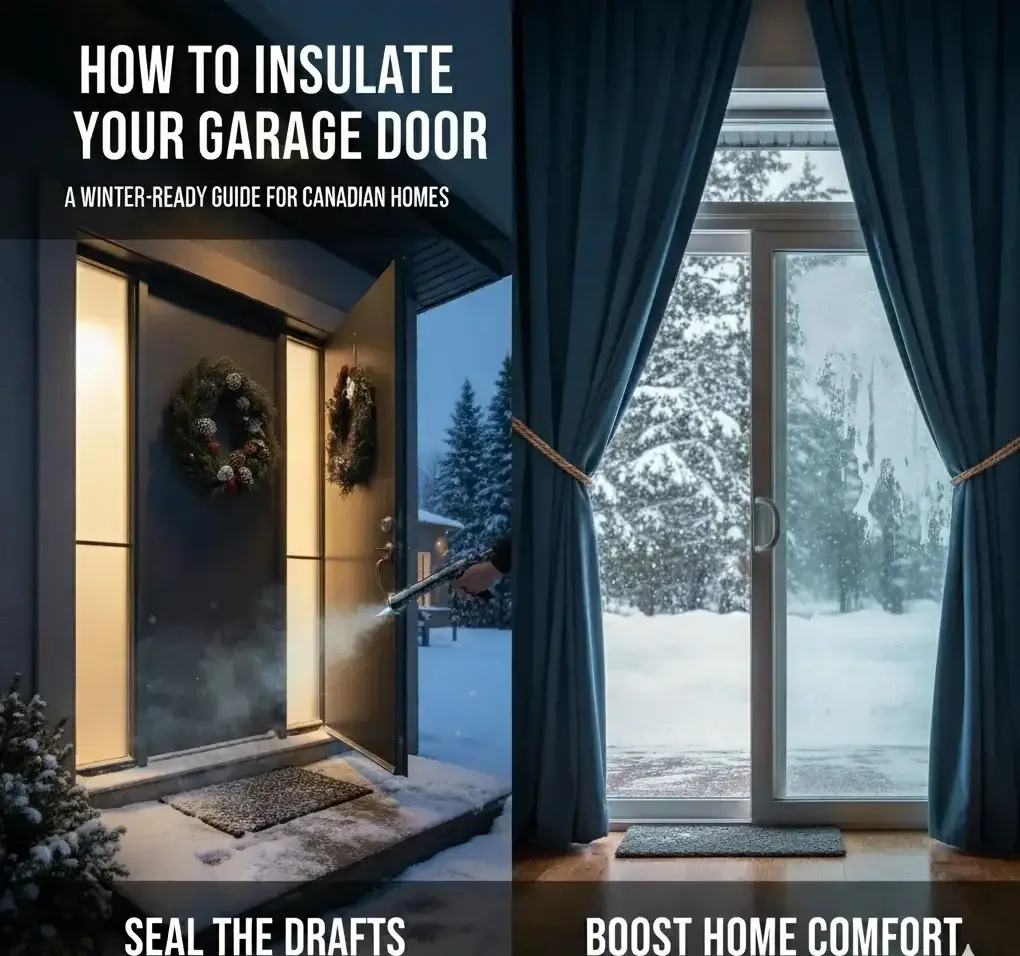
Weatherstripping is a crucial component of effective door insulation. There are various types, including foam, rubber, and V-strip, each suitable for different gaps and door types. Apply new weatherstripping along the top and sides of the door frame where the door meets the jamb when closed. For smaller cracks and gaps around the door frame that don't involve moving parts, use exterior-grade caulk. Apply a thin, even bead, smoothing it with a wet finger or caulking tool.
Seal the door jamb and frame
Beyond basic sealing, several additional products can further enhance your door's insulation properties, providing an extra layer of protection against the Canadian winter.
Boosting Insulation with Add-Ons
Pay close attention to the door jamb and frame. Gaps between the frame and the wall can be significant sources of drafts. For larger gaps, use expanding foam insulation designed for doors and windows. For smaller cracks, caulk can be effective. Ensure a continuous seal around the entire perimeter of the door frame, both inside and out.

Using a door insulation blanket for temporary relief
A door insulation blanket, often made from quilted or heavy-duty fabric, can be a simple and effective temporary solution for older or particularly drafty doors. These blankets attach to the door and create an insulating layer, reducing heat loss. They are especially useful for garage doors or utility doors that may not be a priority for permanent upgrades.
Installing a door sweep or draft stopper
A door sweep is installed at the bottom of the door and creates a seal against the threshold when the door is closed, preventing drafts from entering underneath. Draft stoppers, often fabric tubes filled with insulating material, can be placed at the base of the door to block cold air, offering a quick and easy solution.
Layering with thermal curtains or drapes
While not directly door insulation, thermal curtains or drapes can significantly reduce heat loss through doors that have glass panels or are located in particularly exposed areas. These heavy, insulated window treatments create an air pocket that acts as an additional barrier against the cold.
When to Call the Pros: Advanced Solutions
While many insulation problems can be tackled with DIY methods, some situations warrant professional intervention.
Sometimes, the door itself is the problem. Older doors, especially those made of solid wood that have warped over time, or those with damaged cores, might not be able to hold a proper seal. If your door is severely damaged, has significant structural issues, or is simply very old and inefficient, a professional might recommend a full door replacement. Modern exterior doors are designed with advanced insulation properties, including multi-pane glass, insulated cores, and superior sealing systems.
Professional assessment for persistent drafts
If you've tried various DIY solutions and still experience persistent drafts or high energy bills, a professional energy audit or a specialized contractor can pinpoint the exact sources of heat loss. They use thermal cameras and blower door tests to identify hidden gaps and recommend the most effective solutions, which might include sealing hard-to-reach areas or reinforcing existing insulation.
Upgrading to energy-efficient doors
Investing in new, energy-efficient doors is a significant upgrade that offers long-term benefits. These doors come with features specifically designed to withstand extreme climates, such as reinforced frames, advanced weatherstripping, and insulated glass units (IGUs) that minimize heat transfer. While a larger investment upfront, energy-efficient doors can lead to substantial savings on heating bills and significantly improve home comfort.
Conclusion
Mastering door insulation is an essential step for any Canadian homeowner looking to combat the relentless winter cold. By understanding the signs of poor insulation, implementing effective DIY sealing techniques, and knowing when to seek professional help, you can transform your home into a warm, cozy, and energy-efficient sanctuary. Don't let drafts and high heating bills dictate your winter comfort—take control of your door insulation today!
Ready to upgrade your home's comfort and efficiency? Contact Aoslon today for expert advice on choosing the best insulated doors and windows for your Canadian home!
Comparison Table: Door Insulation Solutions
| Feature | Weatherstripping & Caulk | Door Sweeps & Draft Stoppers | Door Insulation Blanket | Thermal Curtains/Drapes | New Energy-Efficient Door |
| Purpose | Seals gaps around frame/door | Blocks drafts under door | Adds temporary insulation | Reduces heat loss through glass/openings | Comprehensive insulation & seal |
| Cost | Low | Low | Low-Medium | Medium | High |
| Ease of Install | Medium (DIY) | Easy (DIY) | Easy (DIY) | Easy (DIY) | Professional Recommended |
| Effectiveness | High for sealing minor gaps | High for under-door drafts | Moderate (temporary) | Moderate | Very High |
| Longevity | Medium (needs periodic check) | Medium | Short-Medium | High | Very High |
| Aesthetics | Can be discreet | Can be visible | Can be bulky | Design dependent | Modern & appealing |
| Ideal For | Minor drafts, general sealing | Under-door drafts | Temporary solution, garage doors | Doors with glass, exposed areas | Old, inefficient, or damaged doors |