Understanding Electric Roller Garage Doors
What makes them different from traditional garage doors
Electric roller garage doors stand apart from traditional up-and-over or sectional doors primarily due to their unique rolling mechanism. Instead of swinging out or sliding along tracks, these doors are made of individual slats that coil compactly into a box above the garage opening. This design offers several advantages:
Space-saving: They require minimal headroom and no outward swinging space, making them ideal for shorter driveways or garages with limited internal space.
Security: The robust interlocking slats and secure motor locking mechanism provide enhanced security against forced entry.
Convenience: Operated by a remote control, they offer effortless entry and exit, especially useful during bad weather or when you have your hands full.
Common use cases: residential vs commercial
While the benefits of electric roller garage doors are clear for residential properties, their versatility also extends to commercial applications.
Residential: For homes, they offer improved insulation, security, and a modern aesthetic. They are particularly popular for homeowners looking to upgrade from older, manual doors.
Commercial: In commercial settings, heavy-duty rolling doors are used for warehouses, loading docks, and storefronts, providing robust security and operational efficiency for larger openings. These often require more powerful motors and more durable materials.
Insulated vs non-insulated options
One of the critical distinctions to consider is whether to choose insulated electric roller garage doors.
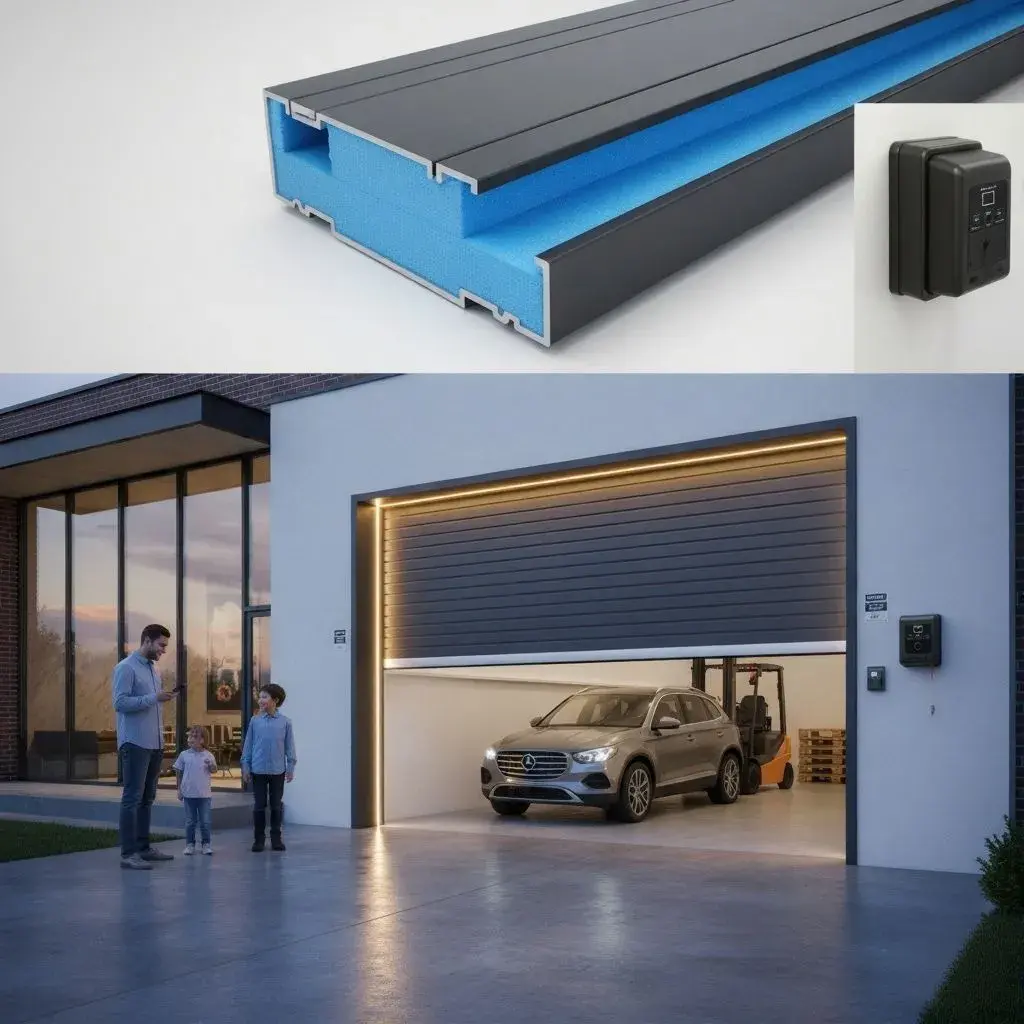
Insulated: These doors feature a foam-filled core between the aluminum or steel slats. The benefits include:
Energy efficiency: They significantly reduce heat transfer, keeping your garage warmer in winter and cooler in summer, potentially lowering your energy bills.
Noise reduction: Insulation also helps dampen external noise, providing a quieter environment.
Durability: The added core can make the door more rigid and resistant to dents.
Non-insulated: While generally more affordable, non-insulated doors offer basic security and weather protection but do not provide the same thermal or acoustic benefits. They might be suitable for detached garages where temperature control isn’t a priority.
Key Features to Look For
Motor type and power
The motor is the heart of your electric roller garage door. Consider these factors:
Torque: A higher torque motor is essential for larger or heavier doors, ensuring smooth and reliable operation.
Speed: While not the primary concern, some motors offer faster opening and closing speeds, which can be convenient.
Noise level: Look for motors designed for quiet operation, especially if your garage is attached to living areas. DC motors are often quieter than AC motors.
Manual override: A crucial safety feature, allowing you to operate the door manually during power outages.
Remote control and smart features
Modern electric roller garage doors offer a range of control options:
Standard remote control: Most doors come with multiple remotes for convenience.
Wall-mounted control panel: A fixed control inside the garage is standard.
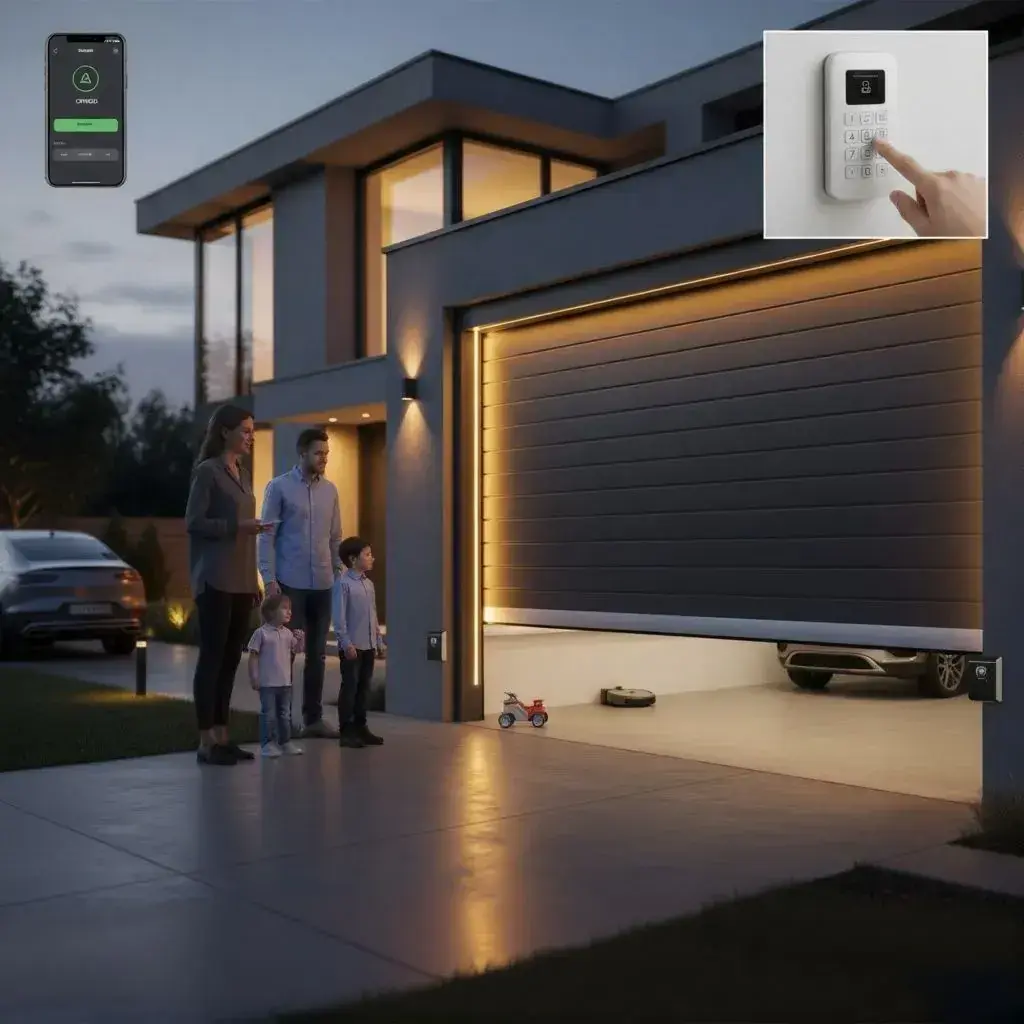
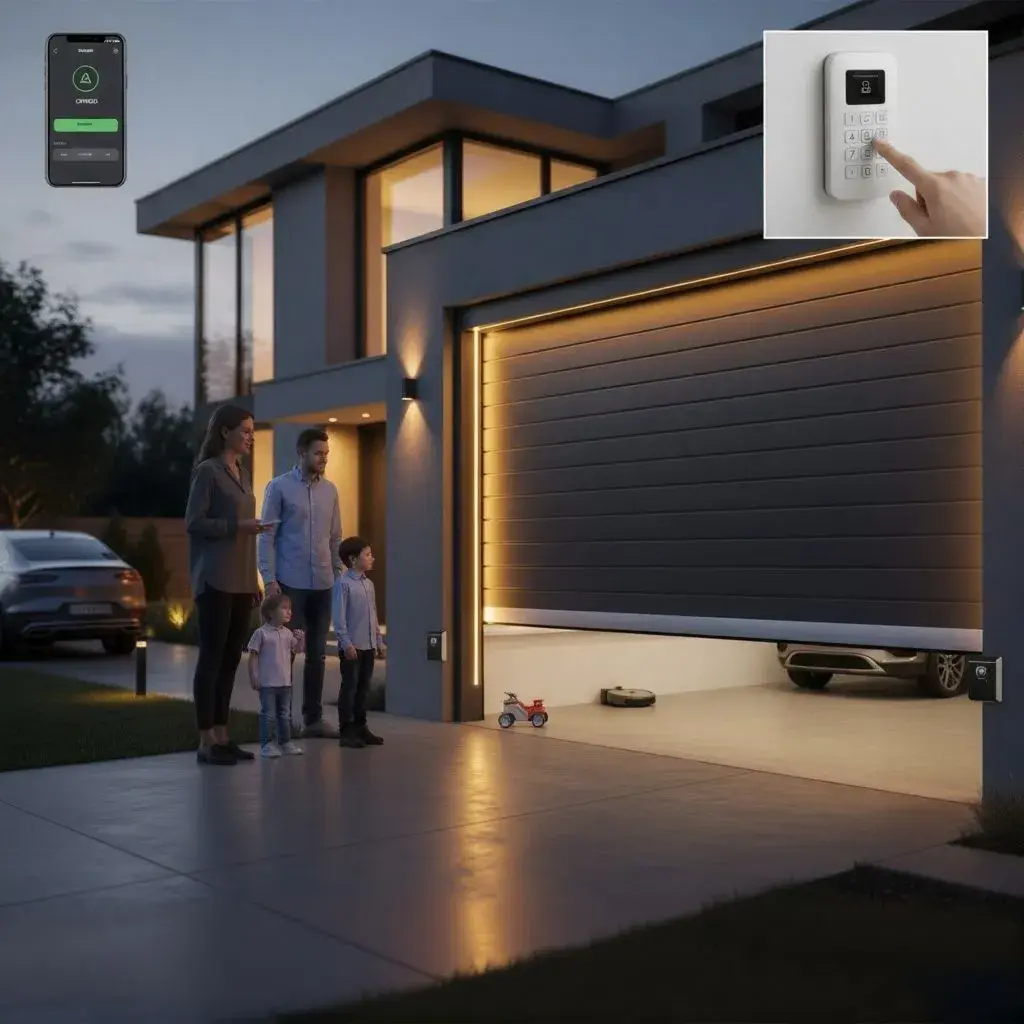
Keypads: For keyless entry, allowing access with a code.
Smart home integration: Many newer models can be integrated with smart home systems (e.g., Google Home, Amazon Alexa) allowing you to control and monitor your door from your smartphone, even when you’re away. This can include features like real-time status alerts and scheduling.
Safety mechanisms and sensors
Safety is paramount. Ensure your chosen door includes:
Obstruction sensors: Photoelectric sensors that detect objects in the door’s path and automatically reverse the door to prevent accidents or damage.
Anti-entrapment features: Designed to prevent people or objects from being trapped under the closing door.
Auto-lock: The motor often provides an automatic locking mechanism when the door is closed, eliminating the need for additional locks.
Emergency stop button: A clearly marked button for immediate halting of door operation.
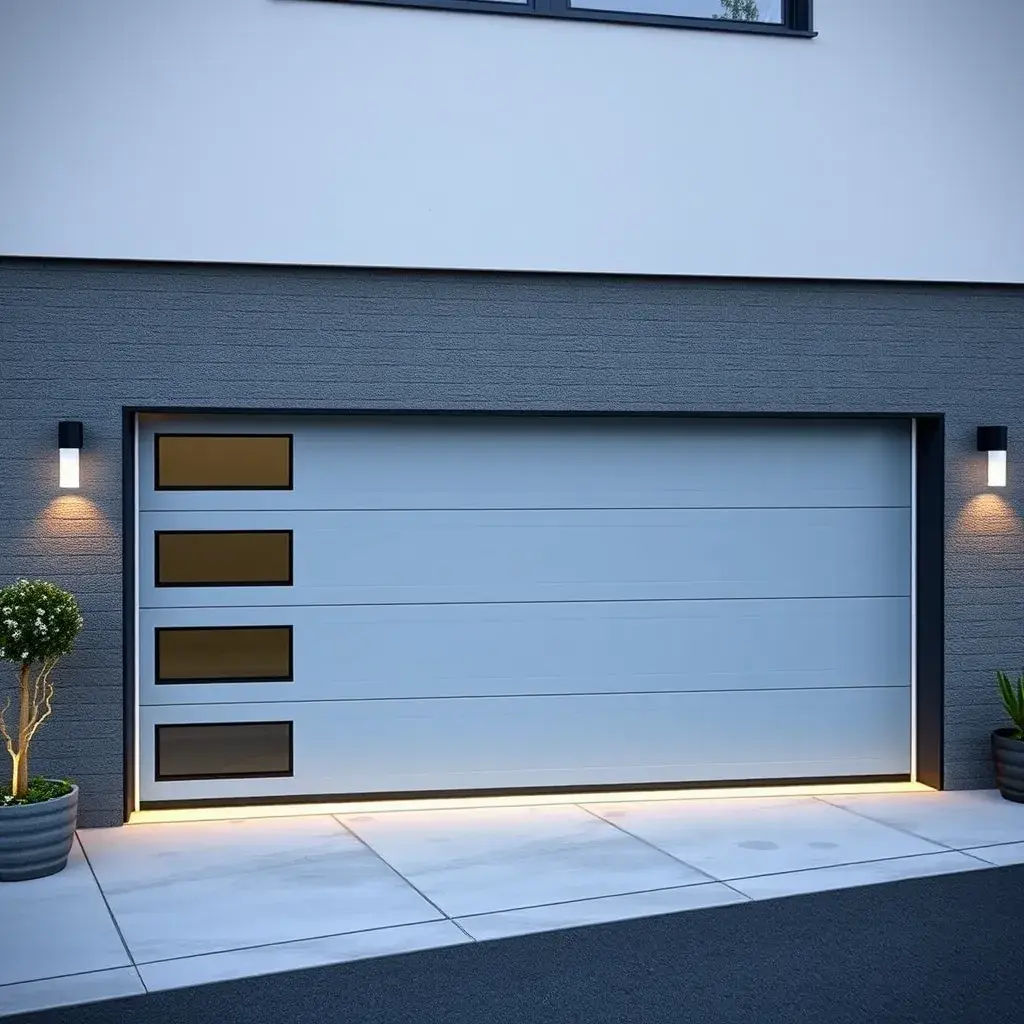
Insulated electric roller garage doors benefits
Revisiting insulation, the benefits extend beyond just energy savings:
Comfort: If you use your garage as a workshop, gym, or extra living space, insulation is critical for maintaining a comfortable temperature year-round.
Protection for stored items: Temperature fluctuations can damage sensitive items stored in your garage. Insulation helps protect these belongings.
Reduced noise pollution: As mentioned, insulated doors significantly reduce noise, both from outside entering the garage and from inside escaping.
Comparing Models and Prices
Electric roller garage doors prices by size and material
The electric roller garage doors cost can vary significantly based on size and material.
Size: Larger doors naturally require more material and more powerful motors, leading to higher prices. Standard single doors will be less expensive than double doors or custom sizes.
Material:
Aluminum: Lightweight, rust-resistant, and available in various finishes. Often a popular choice for residential doors.
Steel: More robust and secure, often used for commercial applications or where higher security is needed. Can be heavier and may require more powerful motors.
PVC/Vinyl: Less common for roller doors, but sometimes used for specific aesthetic or budget needs.
Finish: Powder-coated colors or wood-effect finishes can add to the price.
Best electric roller garage doors for value
Finding the best electric roller garage doors means balancing features, durability, and price. Look for:
Reputable brands: Brands with a strong track record for quality and customer service often provide better long-term value.
Warranty: A comprehensive warranty on both the door and the motor is a good indicator of manufacturer confidence.
Energy efficiency ratings: For insulated doors, look for U-values, which indicate thermal performance; lower U-values mean better insulation.
Electric roller garage doors cost vs long-term savings
While the initial electric roller garage doors cost might seem higher than traditional options, consider the long-term savings:
Energy savings: Insulated doors can significantly reduce heating and cooling costs if your garage is attached to your home.
Maintenance: Modern roller doors often require less maintenance than older door types.
Increased home value: A modern, efficient, and secure garage door can enhance your home’s curb appeal and resale value.
Comparison Table: Electric Roller Garage Doors
| Feature/Model Type | Basic Non-Insulated | Mid-Range Insulated | Premium Smart Insulated |
| Material | Single-skin Aluminum | Double-skin Aluminum/Steel | Double-skin Aluminum/Steel |
| Insulation | None | Polyurethane Foam-filled | High-density Foam-filled |
| Motor Power | Standard (up to 3.5m) | Medium (up to 5m) | High (for large/heavy doors) |
| Control | Remote, Manual Override | Remote, Wall Switch, Manual Override | Remote, Wall Switch, Keypad, App/Smart Home Integration, Manual Override |
| Safety Sensors | Basic Obstruction | Obstruction, Anti-entrapment | Obstruction, Anti-entrapment, Auto-lock |
| Wind Load Rating | Standard | Moderate | High (certified) |
| Noise Level | Moderate | Low | Very Low (silent operation) |
| Energy Efficiency | Low | Medium | High |
Installation and Maintenance Tips
DIY vs professional installation
-
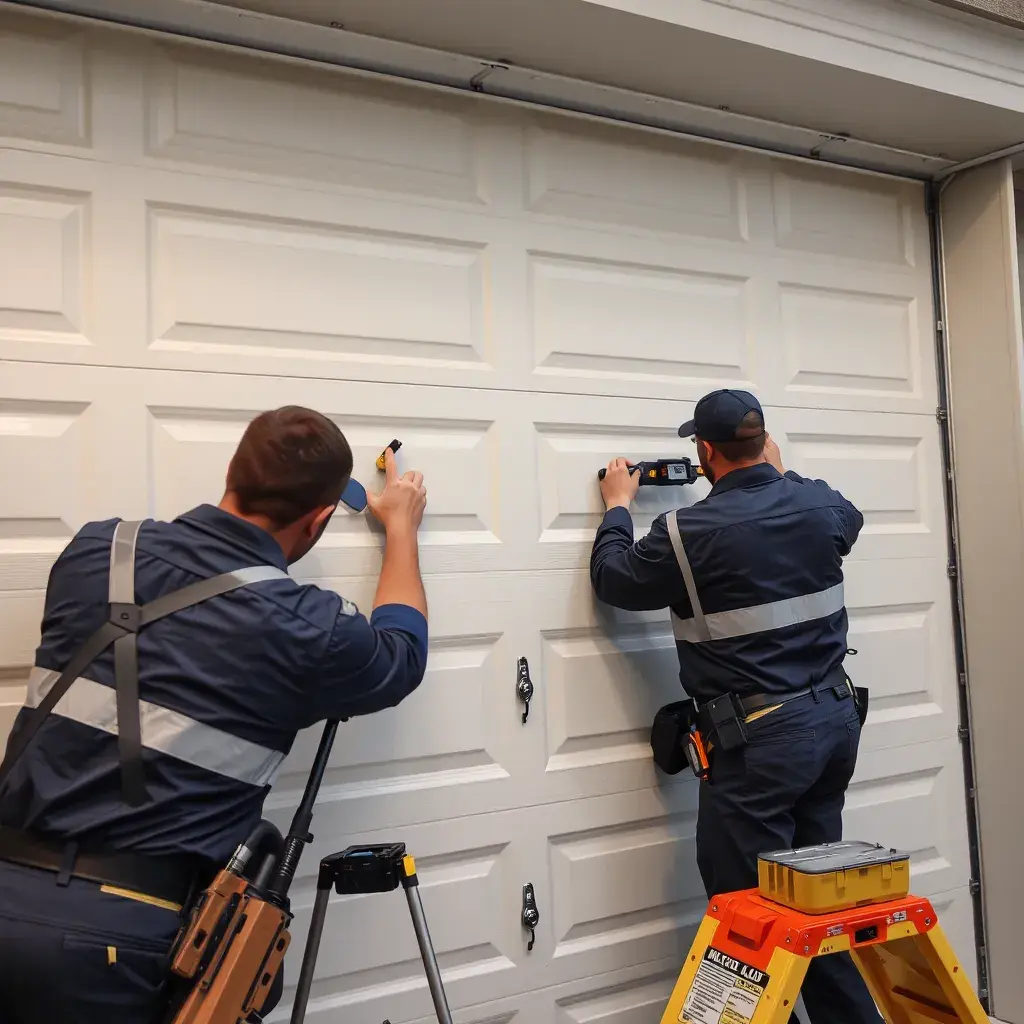
DIY: While some might consider a DIY installation to save on electric roller garage doors cost, it’s generally not recommended for electric roller garage doors. They involve complex electrical wiring, heavy lifting, and precise alignment for safe and proper operation. Errors can lead to safety hazards, voided warranties, or costly repairs.
-
Professional installation: This is the safest and most reliable option. Experienced installers ensure the door is fitted correctly, wired safely, and all safety features are functioning. They also provide proper adjustments and testing.
Electric roller garage doors maintenance checklist
Regular maintenance extends the life of your door and ensures safe operation.
-
Monthly:
-
Visual inspection: Check for any signs of wear and tear, loose parts, or damage to slats, tracks, or the motor housing.
-
Sensor test: Wave an object in front of the photoelectric sensors while the door is closing to ensure it reverses properly.
-
-
Every 3-6 months:
-
Clean tracks: Remove any dirt, debris, or obstructions from the tracks.
-
Lubricate moving parts: Apply a silicone-based lubricant to the guides and moving components (consult your manual for specific lubrication points). Avoid using grease or oil as they can attract dirt.
-
Check remote batteries: Replace them as needed.
-
-
Annually:
-
Professional service: Schedule an annual check-up with a qualified garage door technician. They can inspect the motor, tension, and all safety mechanisms, performing any necessary adjustments or repairs. This is crucial for maintaining the door’s warranty and ensuring peak performance.
-
Common issues and how to prevent them
Door not opening/closing:
Prevention: Check power supply, remote batteries, and ensure safety sensors are clear.
Noisy operation:
Prevention: Regular lubrication of moving parts and keeping tracks clean. Professional adjustment might be needed if noise persists.
Door reversing unexpectedly:
Prevention: Keep safety sensors clean and aligned. Ensure there are no obstructions in the door’s path.
Slats sticking/misaligning:
Prevention: Avoid hitting the door with vehicles. Regular visual inspection for damage and prompt repair of any minor issues.
Conclusion
Investing in electric roller garage doors is a smart decision for enhancing your home’s security, efficiency, and aesthetic appeal. By understanding the different types, key features, and maintenance requirements, you can make an informed choice that provides long-term value and convenience. Remember to prioritize safety features, consider insulated options for energy savings, and opt for professional installation to ensure flawless operation. With the right selection and consistent maintenance, your electric roller garage door will serve you reliably for years to come.
Ready to transform your home with the perfect aluminum windows? Contact us today for a personalized consultation and free quote!
FAQs
Q1: What is the average lifespan of an electric roller garage door?
A1: With proper installation and regular maintenance, electric roller garage doors can last 15-30 years, depending on the quality of the components and frequency of use.
Q2: Are electric roller garage doors noisy?
A2: Modern electric roller garage doors, especially those with DC motors and insulated slats, are designed for quiet operation. While there will always be some mechanical noise, it is generally much quieter than older, spring-operated doors.
Q3: Can I open an electric roller garage door during a power outage?
A3: Yes, all electric roller garage doors are equipped with a manual override system, typically a crank handle or an internal release mechanism, allowing you to open or close the door manually during a power failure.
Q4: How much does it cost to install an electric roller garage door?
A4: The installation cost for an electric roller garage door can vary significantly based on the door’s size, complexity, and your location. On average, professional installation can range from £200 to £600, not including the cost of the door itself. It’s always best to get multiple quotes from local installers.
Q5: Are insulated electric roller garage doors worth the extra cost?
A5: For most homeowners, especially if your garage is attached to your house or used for purposes other than just parking a car, insulated electric roller garage doors are definitely worth the extra investment. They provide significant energy savings, reduce noise, and create a more comfortable environment.