
Choosing the Right Glass for Modern Sunroom Designs
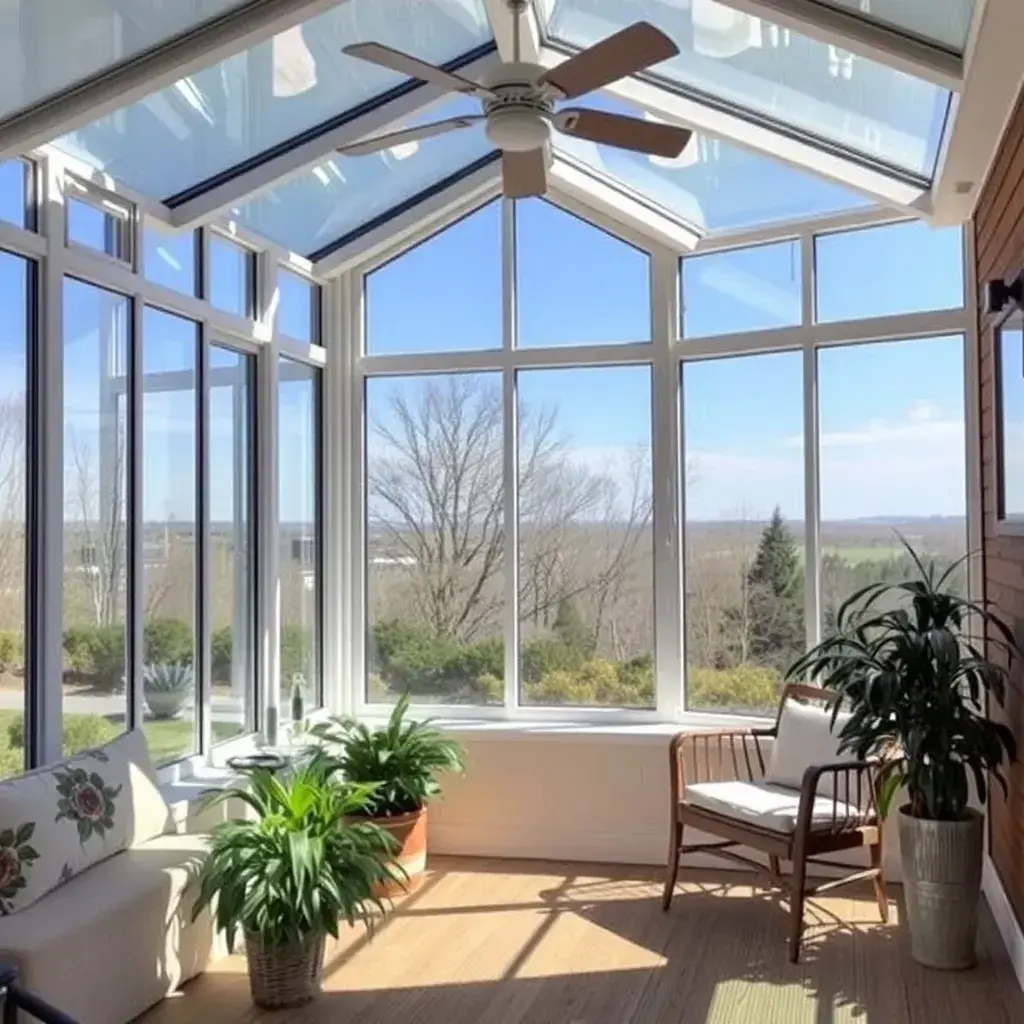
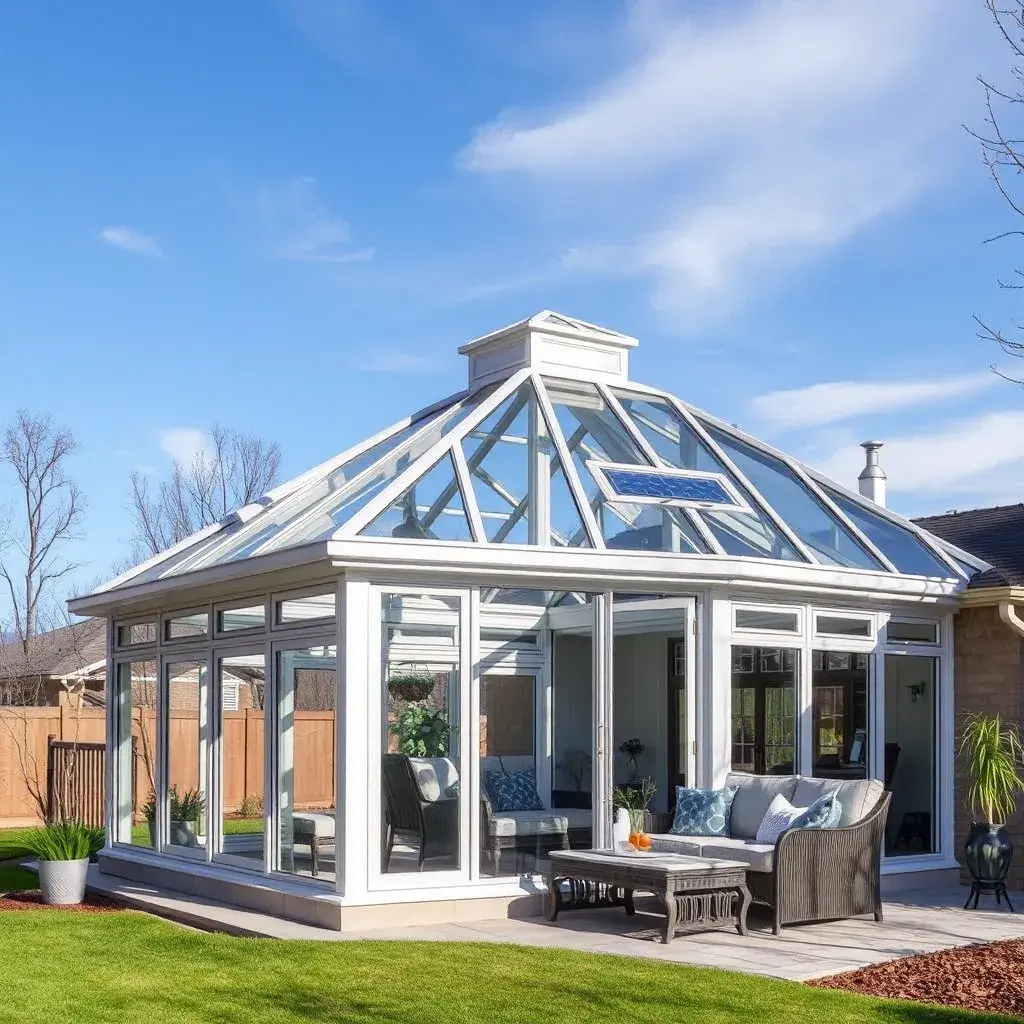
The type of glass you choose is paramount to the success of your sunroom. It dictates not only the aesthetic but also the energy efficiency and comfort of the space.
Modern Sunroom Smart Glass vs. Traditional Glass: Pros and Cons
Traditional glass, while offering clear views, lacks the advanced functionalities of smart glass. Smart glass, often electrochromic, can change its opacity, tint, or even become opaque at the touch of a button or via automated sensors.
Pros of Smart Glass:
Privacy: Instantly switch from transparent to opaque for privacy.
Glare Control: Reduces harsh glare without the need for blinds or curtains.
Energy Efficiency: Can block UV and infrared light, reducing heat gain and loss.
Aesthetics: Creates a sleek, uncluttered look.
Cons of Smart Glass:
Cost: Significantly more expensive than traditional glass.
Installation: Requires electrical wiring and control systems.
Pros of Traditional Glass:
Cost-Effective: More budget-friendly.
Simplicity: No complex electrical systems required.
Cons of Traditional Glass:
Limited Functionality: Relies on external solutions for privacy, glare, and temperature control.
UV Protection and Glare Reduction with Low-E Coatings
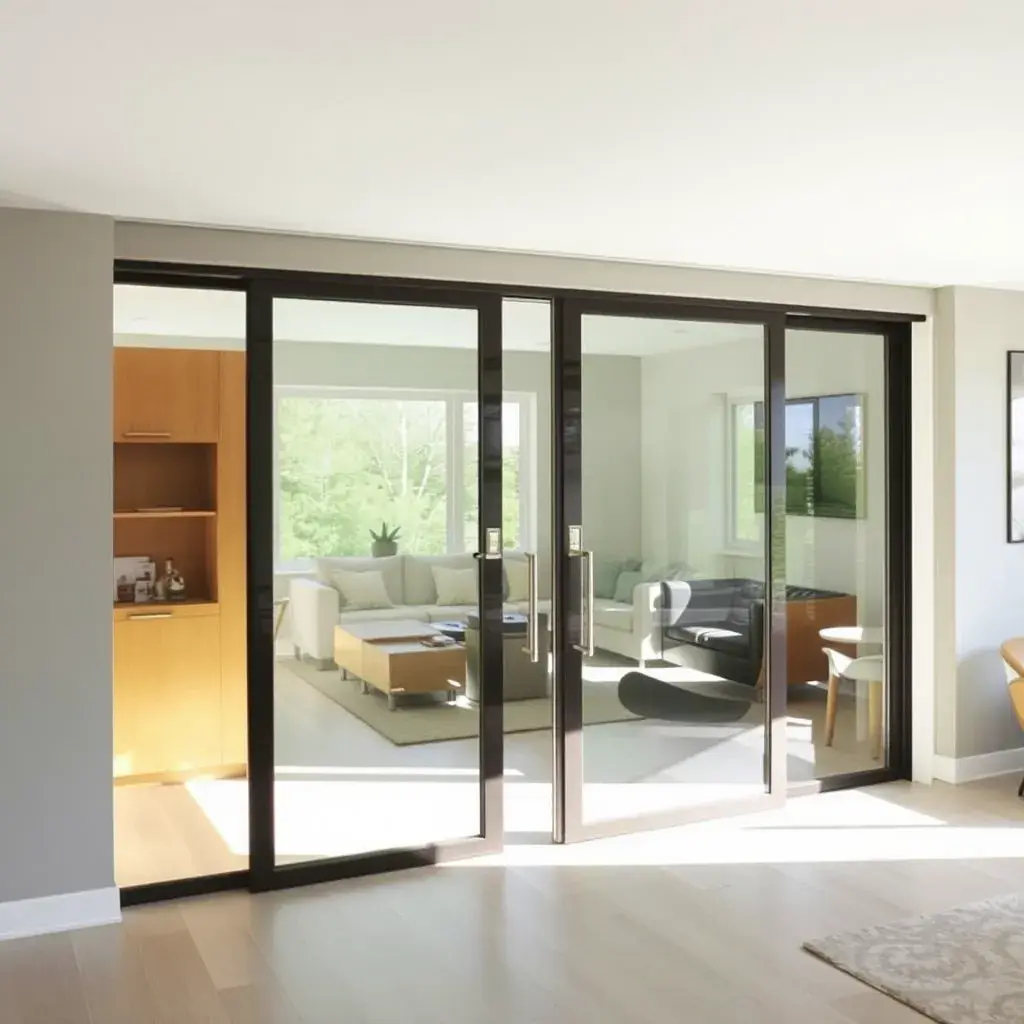
Regardless of whether you choose smart or traditional glass, incorporating Low-E (low-emissivity) coatings is crucial. These microscopic metallic layers are designed to minimize the amount of ultraviolet (UV) and infrared (IR) light that passes through the glass, without compromising the amount of visible light.
UV Protection: Protects furniture, flooring, and artwork from fading, and occupants from harmful UV rays.
Glare Reduction: Significantly reduces uncomfortable glare, making the sunroom more usable throughout the day.
Energy Efficiency: Helps keep the sunroom cooler in summer by reflecting heat and warmer in winter by retaining heat
Frameless Glass Walls for Minimalist Aesthetics
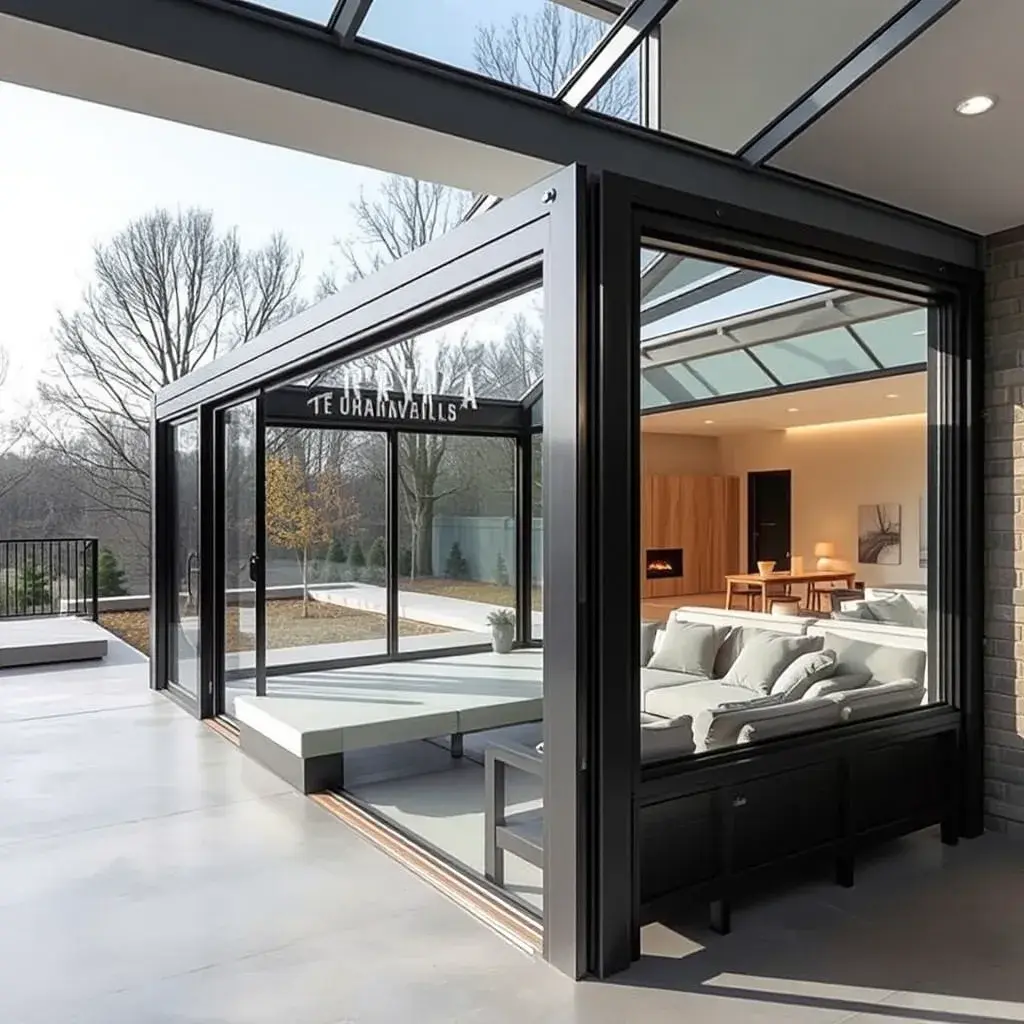
For a truly modern and unobstructed look, frameless glass walls are an excellent choice. These systems use minimal hardware, creating a seamless connection with the outdoors.
Uninterrupted Views: Maximizes the visual connection to the surrounding landscape.
Contemporary Appeal: Offers a sleek, minimalist aesthetic that is highly sought after in modern design.
Natural Light: Allows for an abundance of natural light to flood the space.
Thermal Solutions for Year-Round Comfort
Maintaining a comfortable temperature in a sunroom throughout the year can be challenging. Implementing effective thermal solutions is key to making the space enjoyable in all seasons.
Insulated Roof Panels for Heat Retention
While a glass roof offers magnificent views, it can lead to significant heat loss in cooler months and heat gain in warmer months. Insulated roof panels, particularly in conjunction with some glass sections, provide a balanced solution.
Energy Efficiency: Greatly reduces heat transfer, keeping the sunroom warmer in winter and cooler in summer.
Noise Reduction: Helps to dampen outside noise.
Structural Integrity: Often provides enhanced structural support
Thermal Curtains and Blinds for Seasonal Use
For flexibility and immediate temperature control, thermal curtains and blinds are invaluable.
Insulation: Their specialized design helps to trap air, providing an extra layer of insulation against heat loss or gain.
Glare and Privacy: Offer adjustable control over light, glare, and privacy.
Aesthetic Integration: Available in a wide range of styles and colors to complement your decor.
Underfloor Heating Systems for Cold Climates
In regions with cold climates, an underfloor heating system can transform a sunroom into a cozy retreat.
Even Heat Distribution: Radiates heat evenly across the floor, providing comfortable warmth without drafts.
Space-Saving: Eliminates the need for visible radiators, freeing up wall space.
Energy Efficient: Can be more energy-efficient than forced-air systems when properly installed.
Material Selection for Walls, Floors, and Ceilings
The choice of materials for these surfaces plays a significant role in the sunroom's overall aesthetic, durability, and thermal performance.
Vinyl Plank vs. Ceramic Tile for Sunroom Flooring
The flooring in a sunroom needs to be durable, resistant to temperature fluctuations, and easy to clean.
Vinyl Plank Flooring:
Pros: Water-resistant, comfortable underfoot, wide range of styles, often more affordable.
Cons: Can be susceptible to fading in direct sunlight over long periods if not UV-protected.
Ceramic Tile:
Pros: Extremely durable, water-resistant, excellent for retaining heat from underfloor heating, UV stable.
Cons: Can be cold underfoot without heating, harder surface
Wood Paneling with Thermal Backing for Walls
For walls that are not entirely glass, wood paneling can add warmth and natural beauty. Choosing paneling with thermal backing enhances insulation.
Aesthetics: Creates a warm, inviting, and natural ambiance.
Insulation: Thermal backing improves energy efficiency and sound dampening.
Versatility: Available in various wood types and finishes to match any decor
Glass Ceilings with Solar Reflective Film
A glass ceiling is a stunning feature, but direct overhead sunlight can lead to overheating and glare. Applying a solar reflective film is a practical solution.
Heat Reduction: Reflects solar radiation, significantly reducing heat gain.
Glare Control: Minimizes harsh glare, making the space more comfortable.
UV Protection: Blocks harmful UV rays, protecting interiors.
Maintains Views: Allows for star gazing and natural light while mitigating downsides.
Modern Sunroom Decor and Furniture Integration
Decor and furniture choices should complement the sunroom's design, focusing on durability, comfort, and enhancing the natural light.
Wicker and Rattan for Heat-Resistant Seating
Wicker and rattan furniture are classic choices for sunrooms due to their natural aesthetic and resilience to temperature changes.
Durability: Naturally resistant to sun and moisture damage.
Lightweight: Easy to move and rearrange for flexible layouts.
Breathable: Comfortable in warmer temperatures.
Natural Aesthetic: Blends seamlessly with the outdoor environment.
Modular Furniture for Flexible Layouts
Modern sunrooms often serve multiple functions, making modular furniture an ideal choice.
Versatility: Pieces can be reconfigured to suit different activities, from lounging to dining or entertaining.
Space Optimization: Allows for efficient use of space, especially in smaller sunrooms.
Contemporary Look: Often designed with clean lines and modern aesthetics.
Color Palettes that Enhance Natural Light
Choosing the right color palette can amplify the natural light and create a sense of spaciousness.
Light and Neutral Colors: Whites, creams, light grays, and pale blues reflect light, making the sunroom feel brighter and larger.
Earthy Tones: Soft greens and browns can connect the indoor space with the surrounding nature.
Pops of Color: Use vibrant accents in cushions, artwork, or plants to add personality without overwhelming the space.
Designing for Function: Office, Lounge, or Dining
The beauty of a modern sunroom is its adaptability. It can be tailored to serve a specific primary function while still allowing for flexibility.
Sunroom Office with Smart Glass Privacy Mode
Imagine working surrounded by natural light, yet with the option for instant privacy.
Productivity: Natural light boosts mood and productivity.
Privacy on Demand: Smart glass allows for clear views when desired and opaque walls for focused work or virtual meetings.
Inspiring Environment: A serene and bright space for creative thinking.
Dining Area with Thermal Glass Roof
A sunroom dining area offers an unparalleled experience, especially with a thoughtfully designed roof.
Al Fresco Feel: Enjoy meals with an outdoor ambiance, regardless of the weather.
Thermal Comfort: A thermal glass roof (perhaps with integrated solar film) ensures comfort during meals.
Memorable Gatherings: Creates a unique and inviting space for entertaining guests.
Lounge Setup with Thermal Curtains and Skylights
For ultimate relaxation, a lounge sunroom combines comfort with access to natural beauty.
Comfort and Coziness: Plush seating, soft textiles, and thermal curtains create a snug environment.
Ambiance: Skylights allow for stargazing at night and abundant natural light during the day.
Flexible Lighting: Thermal curtains can be drawn for movie nights or to control sunlight.
Conclusion
The modern sunroom is a testament to innovative design, combining aesthetic appeal with advanced functionality. By carefully considering glass types, thermal solutions, material selections, and decor, you can create a versatile, comfortable, and beautiful space that seamlessly integrates with your home and the natural world. Whether you envision it as a tranquil office, an inviting dining room, or a serene lounge, a well-designed sunroom promises year-round enjoyment and a heightened connection to the outdoors.