
Sunroom Casement Windows
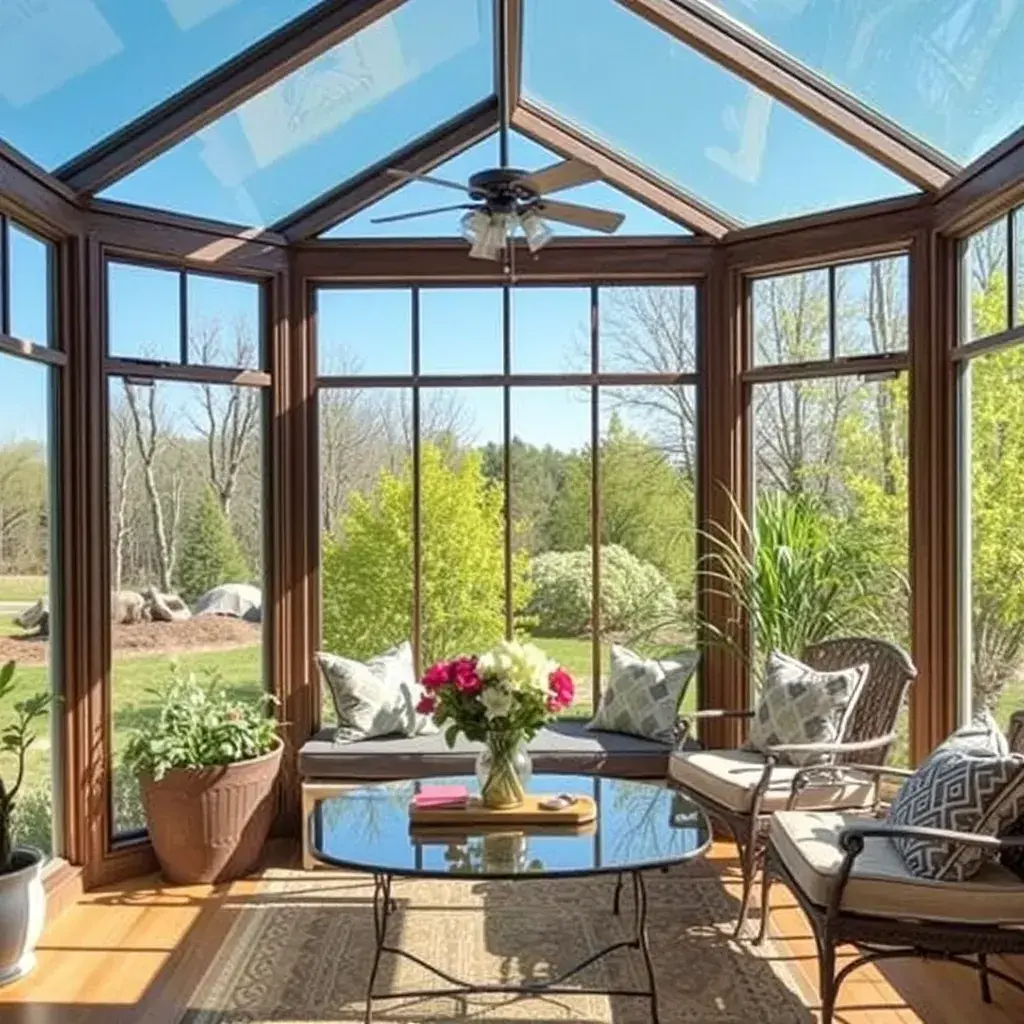
Sunroom Casement windows are a popular choice for sunrooms due to their excellent sealing capabilities and unobstructed views. Hinged on the side, they open outwards like a door, providing maximum ventilation.
Casement windows energy efficiency
When closed, casement windows create a tight seal against the frame, making them one of the most energy-efficient window types. This seal minimizes air leakage, significantly reducing heat loss in winter and heat gain in summer. Paired with double or triple-pane glass and Low-E coatings, they offer superior insulation.
Casement windows ventilation benefits
Their ability to open fully outwards allows for excellent airflow, making them ideal for circulating fresh air throughout your sunroom. This cross-ventilation can help cool the space naturally on warmer days, further reducing the need for air conditioning.
Casement windows design flexibility
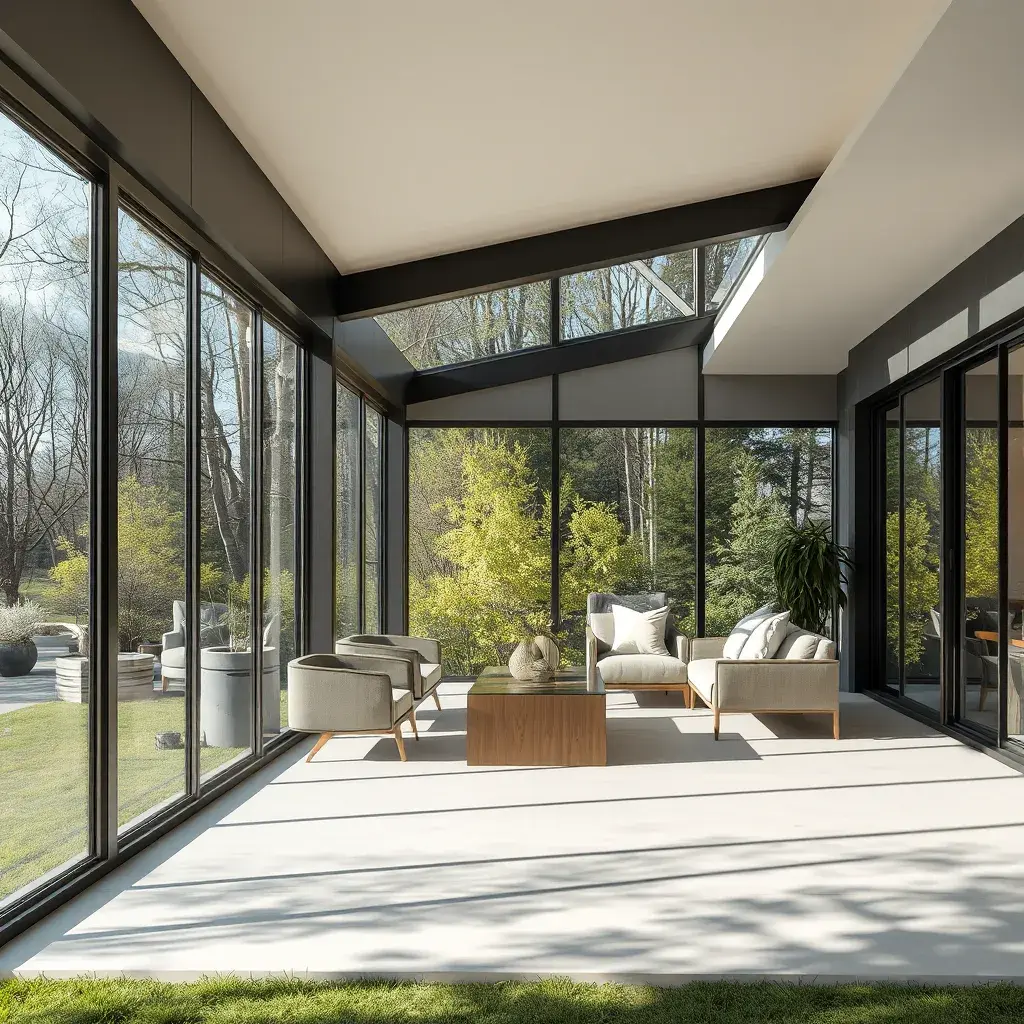
Casement windows come in various sizes and configurations, offering significant design flexibility. They can be combined with other window types or used in bay or bow window arrangements to create a stunning visual impact and maximize views.
Sliding Windows
Sliding windows, also known as gliders, are a practical and space-saving option for sunrooms. They feature one or more sashes that slide horizontally past each other within the frame.
Sliding windows space-saving design
Unlike casement or awning windows that open outwards, sliding windows don't require any exterior or interior space for operation. This makes them perfect for sunrooms with limited space or areas where external obstructions might be an issue.
Sliding windows insulation performance
While not as inherently airtight as casement windows, modern sliding windows with high-quality weatherstripping and advanced glazing options can offer good insulation performance. Look for models with multiple panes and inert gas fills for optimal energy efficiency.
Sliding windows best use cases
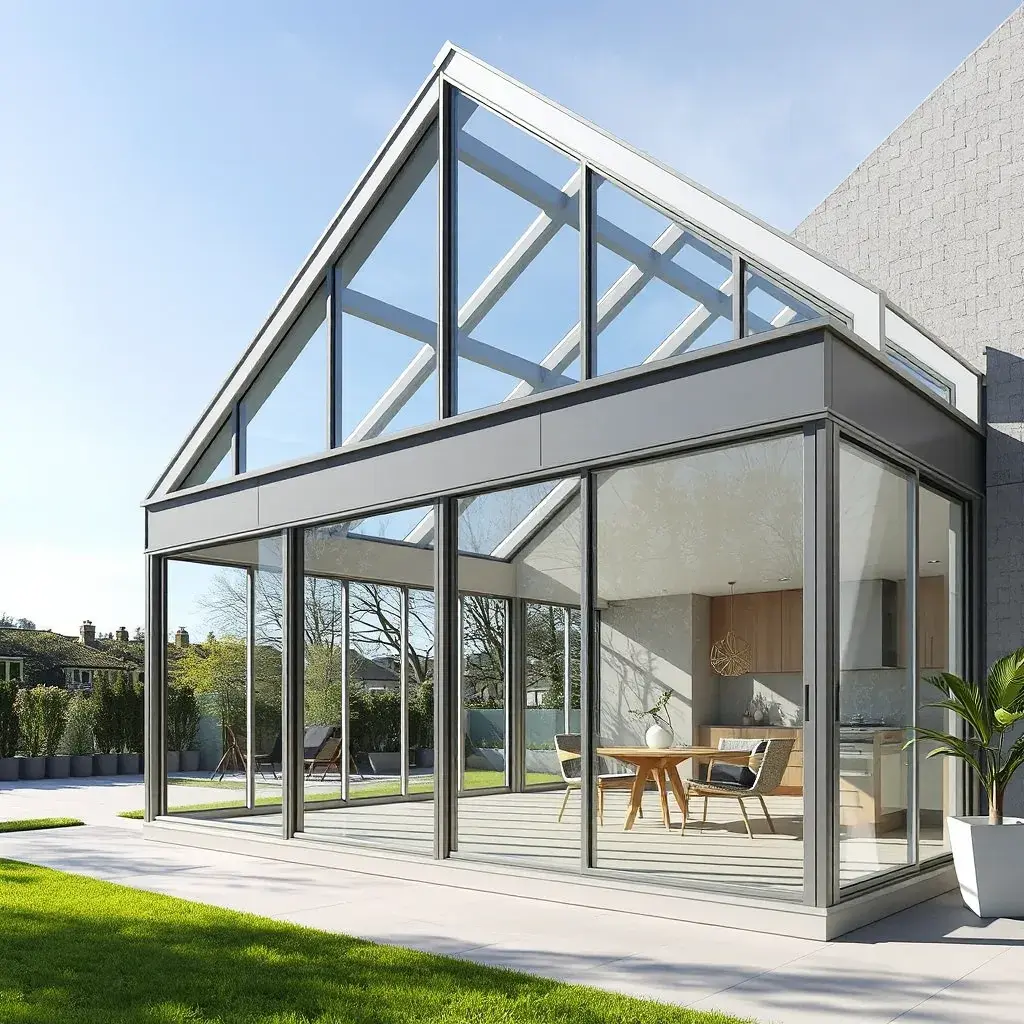
Sliding windows are excellent for large openings where you want to maximize natural light and views. Their ease of operation makes them a convenient choice for sunrooms, providing a seamless connection to your outdoor space. They are also a great option if you have limited space and want to consider a Sliding Window for your sunroom.
Double-Hung Windows
Double-hung windows are a classic and versatile choice, featuring two sashes that slide vertically. Both the top and bottom sashes can be opened, offering flexible ventilation options.
Double-hung windows airflow control
The ability to open both the top and bottom sashes allows for excellent airflow control. Opening the top sash lets warm air escape, while opening the bottom sash draws in cooler air, creating a natural convection current that efficiently ventilates the sunroom.
Double-hung windows cleaning convenience
Many modern double-hung windows feature sashes that tilt inwards, making them incredibly easy to clean both the interior and exterior glass surfaces from inside your sunroom.
Double-hung windows energy ratings
When choosing double-hung windows, pay close attention to their energy ratings, such as U-factor and Solar Heat Gain Coefficient (SHGC). Opt for windows with low U-factor for better insulation and appropriate SHGC for your climate to manage solar heat gain.
Picture Windows
Picture windows are fixed, non-opening windows designed to provide expansive, unobstructed views and maximum natural light.
Picture windows natural light benefits
As fixed panes of glass, picture windows are unsurpassed in their ability to flood a sunroom with natural light. This can significantly brighten your space, making it feel larger and more inviting, and reducing the need for artificial lighting during the day.
Picture windows insulation options
Since picture windows don't open, they offer excellent airtightness, which contributes to superior insulation. They can be equipped with various high-performance glass options, including double or triple glazing, Low-E coatings, and argon or krypton gas fills, to achieve exceptional energy efficiency.
Picture windows best placement in sunrooms
Picture windows are best placed in areas where you want to highlight a specific view, such as a garden, landscape, or cityscape. They are often combined with operable windows to provide ventilation while maintaining the expansive views.
Tilt and Turn Windows
Tilt and turn windows are a highly versatile European-style window that offers dual functionality: they can tilt inwards from the top for ventilation or swing open like a casement window for maximum airflow and easy cleaning.
Tilt and turn windows dual functionality
This innovative design allows for controlled ventilation by tilting the top inwards, which is great for continuous air circulation without a strong draft. When fully opened, they provide an unobstructed opening similar to a casement window.
Tilt and turn windows thermal performance
Thanks to their robust frames and multi-point locking systems, tilt and turn windows offer excellent thermal performance and airtightness. They are highly energy-efficient, contributing to significant energy savings in your sunroom.
Tilt and turn windows safety features
The tilt-in function provides a secure way to ventilate your sunroom, as the opening is too small for intruders. When fully closed, their multi-point locking mechanisms offer enhanced security.
Fixed Pane Windows
Similar to picture windows, fixed pane windows are non-operable and designed primarily for light and views. They are a cost-effective option for maximizing glass area.
Fixed pane windows for passive solar gain
In sunrooms, fixed pane windows can be strategically placed to maximize passive solar gain during colder months, allowing sunlight to naturally warm the space and reduce heating costs.
Fixed pane windows cost-effectiveness
Because they are simpler in construction and do not require operating mechanisms, fixed pane windows are generally more cost-effective than operable window types, making them an attractive option for large sunroom designs.
Fixed pane windows design aesthetics
Fixed pane windows offer a clean, minimalist aesthetic that allows for expansive views and a seamless connection with the outdoors. They can be used to create dramatic architectural statements in your sunroom.
Panoramic Windows
Panoramic windows are essentially very large, often custom-sized, fixed windows designed to create an immersive visual experience with sweeping, uninterrupted views.
Panoramic windows for expansive views
These windows are designed to be the focal point of a sunroom, offering breathtaking, floor-to-ceiling or wall-to-wall views that truly bring the outside in. They are perfect for homes with stunning natural surroundings.
Panoramic windows energy-saving glass options
Given their large size, the choice of glass is critical for panoramic windows. High-performance, energy-saving glass options, such as Low-E coatings, argon-filled double or triple glazing, and even smart glass, are essential to maintain thermal comfort and energy efficiency.
Panoramic windows frame material choices
The frame material for panoramic windows needs to be strong and durable to support the large glass panes. Options like aluminum, fiberglass, or steel are common, offering narrow profiles to maximize glass area while ensuring structural integrity.
Awning Windows
Awning windows are hinged at the top and open outwards from the bottom, creating an "awning" effect.
Awning windows ventilation in rain
One of the key advantages of awning windows is their ability to provide ventilation even during light rain, as the outward-opening sash shields the interior from water entry. This is particularly beneficial for sunrooms where you want fresh air regardless of the weather.
Awning windows energy efficiency
When closed, awning windows seal tightly against the frame, offering excellent energy efficiency. Their multi-point locking systems contribute to a superior airtight seal, minimizing drafts and heat transfer.
Awning windows ideal locations
Awning windows are ideal for placement high on a wall or in conjunction with other window types, such as fixed or picture windows, to provide ventilation without obstructing views. They are also great for small spaces where other operable windows might be cumbersome.
French Windows
French windows, often confused with French doors, are essentially casement windows designed to be larger, sometimes extending almost floor-to-ceiling, creating a grander opening.
French windows classic design appeal
French windows exude a classic, elegant charm, adding a touch of sophistication to any sunroom. Their broad openings and often decorative grilles contribute to a timeless aesthetic.French windows insulation and glazing
Like casement windows, modern French windows offer excellent insulation and can be fitted with high-performance glazing options, including double or triple panes with Low-E coatings, to ensure energy efficiency.French windows for sunroom entry
While primarily windows, some designs can serve as a seamless transition between the sunroom and an outdoor patio or garden, similar to Entry Doors or Folding Door designs, offering a grand entry point.Bifold Windows
Bifold windows feature multiple panels that fold back accordion-style, creating a wide, unobstructed opening that blurs the lines between indoor and outdoor spaces.Bifold windows for indoor-outdoor flow
Bifold windows are exceptional for creating a dramatic indoor-outdoor flow, allowing your sunroom to fully open up to your garden or patio. This seamless transition is perfect for entertaining or simply enjoying the fresh air.Bifold windows energy-efficient glazing
Due to their large glass areas, it's crucial to select bifold windows with energy-efficient glazing, such as double or triple-pane glass with Low-E coatings and argon gas fills, to prevent heat loss or gain.Bifold windows customization options
Bifold windows offer extensive customization in terms of size, number of panels, and frame materials (aluminum, timber, or uPVC). This allows you to tailor them perfectly to your sunroom's design and operational needs.Low-E Glass Windows Low-E
While not a window type itself, Low-E (low-emissivity) glass is a crucial technology that can be incorporated into virtually any window for sunrooms to significantly improve energy efficiency.Low-E glass technology explained
Low-E glass features a microscopically thin, transparent coating that reflects infrared light, reducing heat transfer through the window. This coating keeps heat inside during winter and outside during summer, while still allowing visible light to pass through.Low-E glass impact on energy bills
By significantly reducing heat loss in cold weather and blocking solar heat gain in warm weather, Low-E glass can lead to substantial reductions in your heating and cooling bills, making your sunroom more comfortable year-round.Low-E glass compatibility with window types
Low-E coatings can be applied to almost all types of windows, including casement, sliding, double-hung, picture, tilt and turn, and panoramic windows. It's an essential upgrade for any energy-conscious sunroom owner.onclusion
Choosing the right windows for your sunroom is a critical decision that impacts comfort, aesthetics, and energy efficiency. From the expansive views of picture and panoramic windows to the versatile ventilation of casement and tilt and turn options, and the indoor-outdoor flow of bifold windows, there’s a perfect solution for every sunroom design. Remember to prioritize energy-efficient features like Low-E glass and multi-pane insulation to ensure your sunroom remains a comfortable and cost-effective oasis for years to come.Comparison Table: Sunroom Window Types
| Window Type | Key Features | Energy Efficiency | Ventilation | Best For |
| Casement | Hinged side, opens out, tight seal | Excellent | Excellent | Maximum ventilation, unobstructed views |
| Sliding | Horizontal sliding sashes, space-saving | Good | Good | Limited space, large openings, easy operation |
| Double-Hung | Both sashes slide vertically, tilt-in | Good | Excellent | Flexible airflow, classic look, easy cleaning |
| Picture | Fixed pane, no opening | Excellent | None | Maximum light, expansive views, energy efficiency |
| Tilt and Turn | Tilts in for ventilation, swings open for cleaning | Excellent | Excellent | Dual functionality, security, thermal performance |
| Fixed Pane | Non-operable, simple design | Excellent | None | Cost-effective light/views, passive solar gain |
| Panoramic | Very large fixed windows, expansive views | Excellent | None | Dramatic views, architectural statements |
| Awning | Hinged top, opens out from bottom | Excellent | Good | Ventilation in rain, high placement |
| French | Large casement-style, elegant | Good | Excellent | Classic appeal, grand openings |
| Bifold | Multiple panels fold back, wide opening | Good | Excellent | Indoor-outdoor flow, entertaining, modern design |
| Low-E Glass | Coating reflects heat, reduces UV | Significantly Enhances | Varies by window type | All window types, crucial for energy savings |